


Eco-Friendly Conveyor Engineering for Modern Mining
Mining remains one of the most important industries in the world, yet it carries a heavy environmental footprint. Large-scale operations disturb land, consume energy, and generate emissions that affect nearby communities. Because of this, companies now seek ways to reduce their impact without slowing production. Conveyor engineering stands out as a practical area where meaningful change can happen. Well-designed systems move bulk material efficiently while lowering waste and energy use, making them a strong step toward more responsible mining.
Understanding the Role of Conveyors in Mining
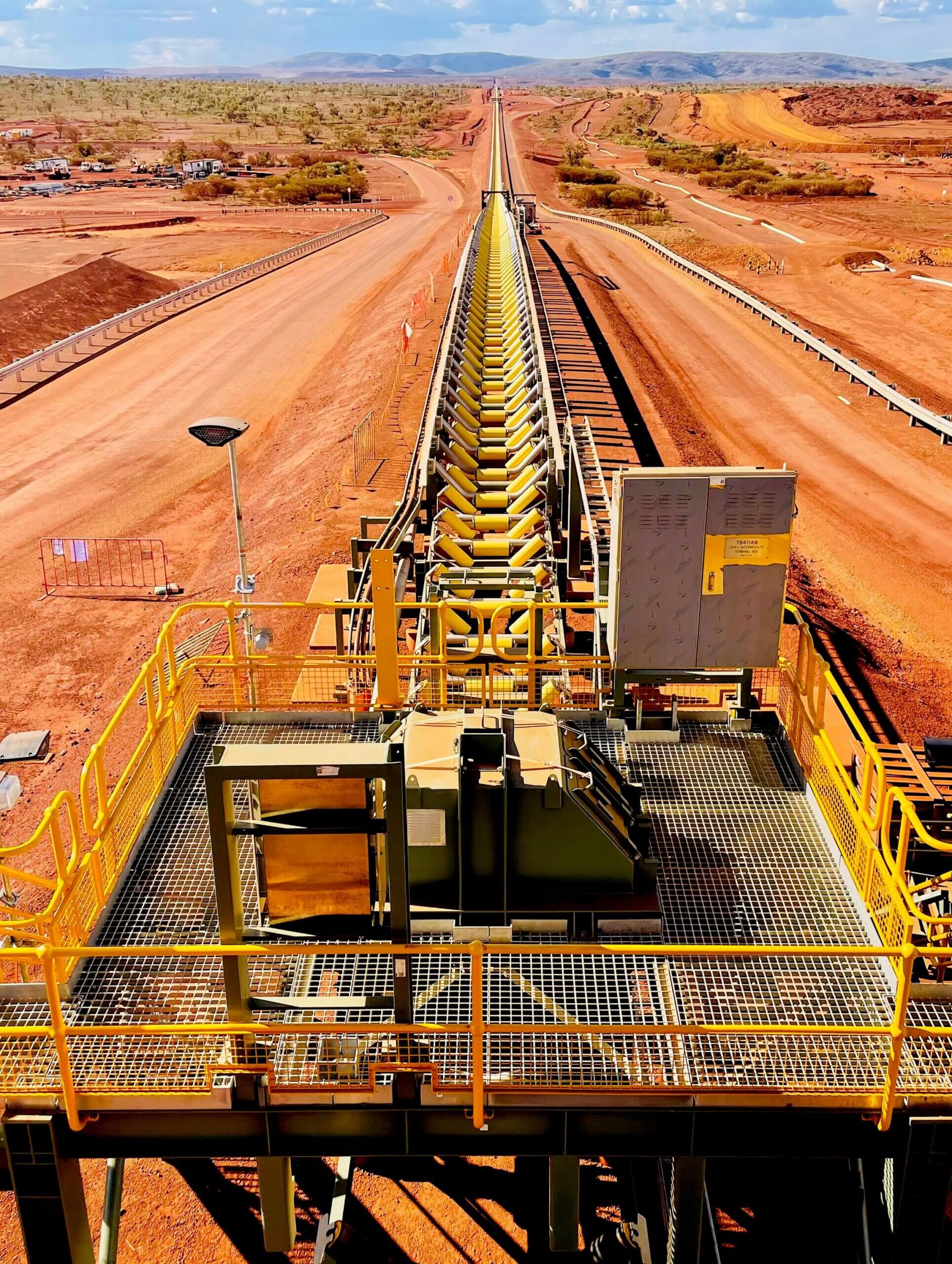
Conveyor systems serve as the backbone of many mining operations. They transport bulk material such as coal, ore, and aggregates across long distances within a site. Without them, companies would depend more on trucks and heavy vehicles, which require more fuel and create higher emissions.
At first glance, a conveyor may seem simple. In reality, it requires careful project planning and attention to detail. Engineers must consider terrain, load capacity, speed, and specific design conditions that affect performance. When sustainability becomes part of the design process, conveyors do more than move materials. They help reduce environmental strain and improve overall efficiency.
Because of this complexity, many operations benefit from working with experienced engineering consultants. Careful planning and technical guidance can prevent costly errors later in the project. For those considering external support, firms such as Crush & Screen WA are often engaged during early design stages to review system requirements, assess feasibility, and ensure that conveyor solutions align with both operational and environmental goals.
Why Eco-Friendly Engineering Matters
Traditional conveyor systems often use large amounts of energy and require frequent maintenance. Over time, this leads to higher costs and increased environmental impact. Eco-friendly engineering focuses on improving efficiency, extending equipment life, and reducing waste.
Lower energy use remains one of the main goals. Reduced power consumption leads to fewer emissions, especially in operations that rely on fossil fuels. Stronger components also reduce the need for replacements, which limits waste. These improvements support not only mining sites but also connected sectors such as manufacturing facilities that rely on steady material flow.
Energy-Efficient Conveyor Systems
Energy efficiency plays a central role in modern conveyor design. Engineers look for ways to reduce power demand while maintaining strong performance. Several methods support this goal.
Variable speed drives allow conveyors to adjust their speed based on the amount of material being transported. When loads are lighter, the system slows down and uses less energy. This adjustment prevents unnecessary power use and extends equipment life.
Friction also affects energy consumption. High-quality rollers and proper belt alignment create smoother movement. As a result, the system operates with less resistance and lower energy demand. In some cases, alternative systems such as pneumatic conveying may suit specific materials, especially when enclosed transport reduces energy loss and dust exposure.
Using Sustainable Materials
Material selection has a direct impact on the sustainability of conveyor systems. Components that wear out quickly lead to frequent replacements and higher waste levels. Durable materials help address this issue.
Modern conveyors often use reinforced rubber belts and corrosion-resistant metals. These materials of construction perform well under harsh conditions and last longer than traditional options. Some manufacturers also explore recyclable materials to further reduce environmental impact.
Longer-lasting components reduce downtime and maintenance needs. This supports both environmental goals and operational efficiency, making sustainable materials a practical choice.
Reducing Dust and Spillage
Dust and material spillage remain common concerns in mining operations. These issues affect air quality, damage nearby ecosystems, and lead to material loss. Conveyor design can help control these problems.
Enclosed conveyor systems prevent dust from spreading into the air. They also keep materials secure during transport. Sealing systems and improved transfer points further reduce the chance of spillage.
A well-designed transfer chute ensures smooth movement from one belt to another. In some operations, chain conveyors help manage heavier or abrasive materials where spillage risks are higher. Cleaner systems reduce cleanup work and create safer working conditions for employees.
Integrating Automation and Monitoring
Technology continues to improve conveyor performance and efficiency. Monitoring systems provide real-time data that helps operators maintain optimal conditions.
Sensors can detect belt misalignment, unusual vibrations, or temperature changes. Early detection allows quick corrections, which prevents damage and improves efficiency. Automated controls can also adjust speed and load handling based on current conditions.
These tools reduce waste, extend equipment life, and improve safety. They also support consistent performance, even in demanding environments where conditions can change quickly.
Designing for Long-Term Impact
Eco-friendly conveyor engineering focuses on long-term value as well as immediate improvements. A strong system should remain efficient and reliable for many years.
Future needs often influence the design process. Engineers may include modular components that allow easy upgrades or replacements. Installation challenges must also be considered early to avoid delays and added costs. Careful planning ensures that systems fit site conditions and operate as expected.
Regular maintenance also plays an important role. Even the best design requires proper care to maintain performance. A long-term approach ensures that sustainability efforts continue to deliver results.
Challenges and Considerations
Eco-friendly conveyor engineering also comes with challenges. Initial costs can be higher, especially when advanced materials and technology are involved. Some sites may face limitations due to terrain or existing infrastructure.
Long-term savings often balance these upfront costs. Lower energy use, reduced maintenance, and improved efficiency provide lasting benefits. Careful planning and proper design can also address site-specific challenges.
Each mining operation has unique needs. Solutions must match these conditions to achieve the best results.
Conclusion
Eco-friendly conveyor engineering offers a clear path toward reducing the environmental impact of mining. Energy-efficient systems, durable materials, and improved design support both productivity and sustainability. Better dust control and advanced monitoring further enhance performance. Challenges may arise, but long-term benefits often outweigh the initial investment. As mining continues to evolve, conveyor systems will remain a key part of more responsible operations. Thoughtful engineering can turn everyday processes into meaningful progress toward a cleaner future.