


Eco-Friendly Plumbing Upgrades Every Home Should Consider
Plumbing upgrades for an eco-friendly home:
1. Low-flow showerhead
2. Tankless water heater
3. Smart leak detector
4. Greywater recycling system
5. Low-flow faucet aerator
6. Insulated pipes
7. Dual-flush toilet
8. Rainwater harvesting system
9. High-efficiency washing machine connections
10. Solar water heater
11. Hot water recirculation pumps
12. Pressure reducing valve
Here’s something you should’ve realized by now: your home’s plumbing is what sustains your daily routine, albeit this might not become so evident until a pipe bursts or the water bill skyrockets. The traditional approach of paying it no mind after it’s been set up is already becoming outdated, not to mention that it’s an expensive route to take. What’s proving to be much more effective these days is making it an eco-friendly system, which can be done through upgrades to more efficient, smarter fixtures.
Not only can this shift boost property value, as more and more people prefer modern features in efficient homes, but it’s also more reliable and less prone to glitches that come when you least expect them. That said, here are thoughtful plumbing upgrades to have a home that’s easier on the Earth (and your bank account).
Low-Flow Showerhead
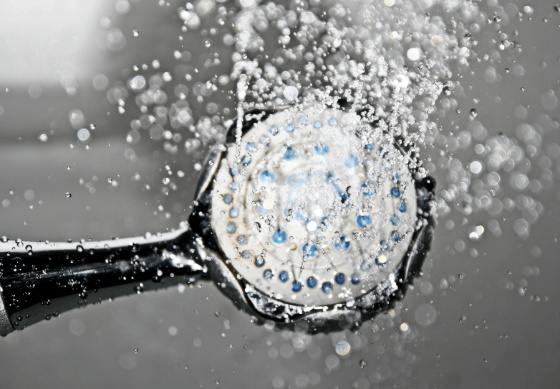
The usual showerheads often discharge around 2.5 to 3.5 gallons per minute, and this is enough to deplete your hot water reserves rapidly and inflate your utility bills. Modern low-flow alternatives tell a different story. They utilize air-induction technology or high-velocity spray patterns to mimic the sensation of high pressure while using significantly less water. Their nozzles mix air into the water stream to create larger, fuller droplets, plus they retain heat better.
When selecting a unit, look into its WaterSense label if you want something of the utmost quality and efficiency as it’s a merit backed by the Environmental Protection Agency. This means it does the job while using no more than two gallons per minute. Imagine all the water you can save annually, and all that can happen by merely replacing a single outdated showerhead.
Tankless Water Heater
If you’re really committed to achieving maximum home efficiency, getting a tankless water heater should be on your must-have list.
Standard water heaters operate on a standby principle, keeping gallons of water at a scalding temperature 24 hours a day, and that’s regardless of demand. Something to be worried about in such cases is the standby heat loss as energy escapes through the tank walls. Tankless or on-demand heaters, on the one hand, eliminate the reservoir entirely. When you turn on a hot water tap, high-powered gas burners or electric elements flash-heat the water as it travels through a heat exchanger. You’ve got an endless supply of hot water and there’s no energy waste of heating a tank while it’s not in use.
But hear this one out: this upgrade requires careful deliberation. The upfront cost for the unit and the potentially intensive installation, which may involve upgrading gas lines or electrical panels, means the payback period can span several years. There’s the limit on simultaneous flow too; running two showers and a dishwasher at once might push a single unit beyond its maximum capacity. Still, tankless water heaters are ideal for households seeking to downsize their carbon footprint and for anyone who doesn’t have the space for or want to deal with a bulky tank.
A tankless water heater should be sized and installed correctly if you really want to enjoy long-term savings. It’s best to work with experts like First Call Jewel to get the most out of your investment and ensure your transition to high-efficiency heating is as seamless as possible.
Smart Leak Detector
A leak that’s hidden in plain sight is a disaster waiting to happen. A pinhole failure in a pipe or a faulty toilet seal can remain undetected for months while quietly wasting thousands of gallons, which can cause structural damage or mold growth, among other alarming issues. This is where proper leak detection becomes absolutely critical to protecting your home.
Such won’t be a problem with smart leak detectors. These are small, Wi-Fi-enabled sensors placed near high-risk areas like water heaters, washing machines, and under sink cabinets. More advanced systems integrate a shut-off valve at the main water line that when they detect unusual flow patterns or moisture where it shouldn’t be, they can autonomously sever the water supply and send an immediate alert to your smartphone.
As for the cost of the whole setup, it’s often less than the insurance deductible for a single water damage claim. It’s the ideal solution if you want a home that’s both compliant and environment-friendly.
Greywater Recycling System
Every drop of water that enters a drain, say a shower runoff, goes through the sewer system as waste. A greywater system interrupts this cycle. It captures relatively clean wastewater from sinks, showers, and washing machines, and it filters and repurposes it for non-potable uses. The resulting water is most commonly used for subsurface garden irrigation or, in more integrated setups, for flushing toilets.
Installing these systems can easily get tricky as it often requires professional design and a firm understanding of local health codes, but no one can deny the massive potential for water reduction. Also, these solutions allow your home to thrive even during seasonal water restrictions without hurting local treatment facilities.
Low-Flow Faucet Aerator
The faucet aerator is perhaps the most overlooked component in the plumbing system. This small, mesh-lined cylinder screws into the tip of your bathroom and kitchen faucets, often for a cost of less than USD$10. Little it may be, it plays the critical role of breaking the water stream into tiny droplets and entraining air. This increases the perceived wetness and pressure of the stream while cutting the actual water volume by up to 50%.
Your existing faucet can actually be upgraded in seconds; no need to replace the entire fixture. You just swap a standard 2.2 gallon-per-minute aerator for a 1.5 or 1.0 version. You’re then able to reduce splashing and save water during routine tasks like hand washing or toothbrushing.
Insulated Pipes
Uninsulated PEX or copper pipes act as heat sinks when they travel through crawlspaces, basements, or exterior walls. During the winter, the water sitting in the pipes cools rapidly between uses, which forces you to run the tap for several minutes to get the hot water through. This means gallons of treated water wasted and your heater working overtime to replace the lost energy.
Installing foam or fiberglass pipe sleeves is one of those inexpensive DIY plumbing upgrades whose results would stun you. Insulated pipes keep the water inside them several degrees warmer during its journey to the tap, so waiting for hot water would take significantly less time. Apart from energy savings, insulation can also safeguard your home against frozen and burst pipes. It protects the integrity of your home’s plumbing infrastructure and prevents issues like a major indoor flood.
Dual-Flush Toilet
The toilet is the primary consumer of water within your home. Traditional models utilize the same volume of water regardless of whether they’re dealing with liquid or solid waste. Modern toilets, however, have dual-flush technology. They offer two distinct buttons or a split-handle mechanism, and they typically use less than a gallon to clear liquid waste.
But does this really make a difference? Well, it reduces a home’s indoor water consumption by around 30%. Yes, the initial purchase price and installation costs might require a higher budget, but there are actually areas that offer substantial rebates to offset the investment. Apart from such, the simplicity of modern dual-flush valves often results in fewer leaks and maintenance issues. You won’t be burning your savings on constant repairs.
Rainwater Harvesting System
Collecting the rain that falls on your roof is one of the oldest forms of water management. It still is an existing practice, although it’s now revitalized with modern filtration and storage solutions. This basically involves a rain barrel positioned beneath a gutter downspout. It provides you with a free source of chlorine-free water for your garden; remember that plants often prefer over treated municipal water. There are also integrated systems that use large underground cisterns and pumps to supply water for outdoor hoses or even indoor laundry and toilet systems.
Thorough research of local regulations is necessary before installation as some regions have laws that actually restrict the collection of rainwater. Luckily, in most areas, harvesting rain is a legally supported way to reduce your dependence on the grid and mitigate the runoff that contributes to urban erosion and storm-sewer overflow.
High-Efficiency Washing Machine Connections
The laundry room is a major hub of water and energy consumption, and how your appliances work with your plumbing matters more than you imagine.
Modern high-efficiency (HE) washing machines use a fraction of the water required by old top-loaders. The problem is that rapid-fire water valves can create a phenomenon known as water hammer or a loud sound caused by high-pressure water suddenly stopping. Install water hammer arrestors at the machine’s connection point to protect the pipes from this mechanical stress, as well as extend the lifespan of your plumbing. Also, you can utilize a laundry-to-landscape system that diverts the machine’s discharge directly to the garden via a simple diverter valve.
You can make sure that your clean clothes don’t come at an unnecessary environmental cost by choosing cold-water cycles and seeing to it that the plumbing can handle the specific drainage needs of high-efficiency units.
Solar Water Heater
Why not let the sun heat your water? Solar water heaters use energy from sunlight to provide you with a sustainable source of hot water. These systems typically consist of roof-mounted collectors and a specialized storage tank. When sunlight hits the collectors, it warms a heat-transfer fluid or the water itself, which then cycles back into your tank so you’ve got supply ready for when you need it.
These solutions can reduce your water heating bills by up to 80%. While the initial installation is more complex than a standard tank and requires a sunny spot on your roof, the massive long-term payoff is something worth considering. Most solar water heaters are designed with a backup gas or electric booster so you can still use them on cloudy days.
Hot Water Recirculation Pumps
You turn on the tap, then wait minutes for the water to turn hot. That’s gallons of perfectly good water going straight down the drain!
Good thing there’s a hot water recirculation pump saving the day, helping save thousands of gallons of water per year. This creates a loop that keeps hot water constantly circulating through your pipes. The water is sent back to the heater to stay warm instead of sitting and cooling down in the line, meaning you get steaming water almost the instant you turn the handle.
Modern smart technologies have made recirculation pumps even more efficient than the older models that ran 24/7. You can now install units with sensors or timers that only activate during your peak usage hours, or even motion-activated versions that start the loop when you walk into the bathroom.
Pressure Reducing Valve
Many homeowners think that the higher the pressure, the better. But excessive pressure (anything over 80 PSI) can actually cause the demise of plumbing systems. It causes seals to fail, shortens the life of water heaters, and leads to leaks in toilet valves. It also forces more water through every fixture than is actually needed.
A pressure-reducing valve (PRV) can be installed where the main water line enters the home. It lowers the high pressure to a safe, consistent level (usually around 50 to 60 PSI). This is especially important in older homes, where aging infrastructure may already be susceptible to plumbing problems that high pressure only worsens.
If your home doesn’t have one or if the existing one has failed, your entire eco-friendly strategy is nothing but a losing battle. Think of it like managing your home’s “blood pressure.” Doing so assures you that the other upgrades perform at their peak efficiency for years to come.
Conclusion
Achieving an eco-friendly home isn’t something that happens overnight. It’s a series of thoughtful choices, including the plumbing upgrades discussed above, that add up over time. Investing in better plumbing can be a way to take care of the world we live in, and along the process you get to save money and keep your house in great shape for many years.