


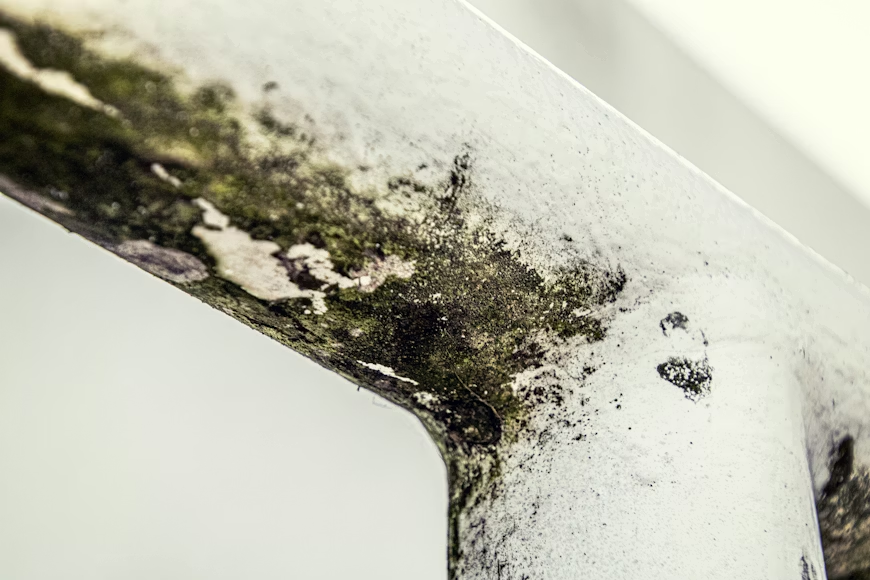
Eco-Friendly Ways to Get Rid of Mold and Damp
Dampness and mold in buildings increase the risk of health issues such as coughing, wheezing, and asthma. The World Health Organization has advised that those living in high-humidity areas should take care to address and prevent persistent dampness, visible mold, condensation, and moldy odors.
If you’ve looked up effective ways to clean mold, you have read about the utility of harsh products such as bleach. However, there are far greener ways to eliminate mold and ensure the problem doesn’t return.
Testing Areas with Mold
If you have mold or condensation on large surfaces such as walls, wardrobes, and ceilings, having your home tested is key. Specialists in damp and condensation can tell you whether you are dealing with black mold, ordinary household mold, or condensation. Sometimes, it can be hard to tell the difference.
This is because even the so-called “non-toxic mold” is a living fungus that grows on damp surfaces where spores land. It can be green, white, grey, or orange, but it can also be black. Toxic black mold (Stachybotrys chartarum) can produce mycotoxins that may pose higher health risks. However, all visible indoor mold must be addressed.
Note that people with asthma, chronic lung disease, and immunity issues may need more aggressive strategies and strict moisture control, as their risk from damp indoor environments is higher. As a rule, any mold covering more than around 2m2, or mold that returns, or is found inside wall cavities, ceilings, insulation, or HVAC systems, should be dealt with professionally.
Eco-Friendly Cleaning Methods and Materials
For small, non-structural patches of mold, such as bathroom grout or mold around windows and non- or semi-porous surfaces, try a simple white vinegar solution. Simply pour undiluted distilled vinegar into a spray bottle, spray the affected areas, leave them for about an hour, then scrub the mold off.
Another DIY spray is made up of borax, vinegar, and tea tree oil. Mix two cups of warm water with half a cup of borax, half a cup of white vinegar, and two teaspoons of tea tree oil in a spray bottle. Spray affected areas, scrub, rinse, then dry them thoroughly. Equally popular is baking soda paste, made by mixing a little baking soda with water.
Because baking soda has a slightly rough texture, it is a good choice for removing mold from grout. For extra efficiency, spray the area with vinegar after applying baking soda and scrub the area clean. All these solutions work well with brushes, cloths, and HEPA vacuums. After you remove the solution, dry the area fully to prevent regrowth.
Preventing the Appearance of Mold
To prevent mold from returning, aim to keep the relative humidity indoors between 30% and 50%. A hygrometer will give you a reliable reading. If humidity levels in your home are beyond 60%, consider investing in a dehumidifier.
Ventilation is also key; install exhaust fans in your kitchen and bathroom, and run them for at least 20 minutes after cooking or showering. Rely on cross-ventilation when possible, especially in bedrooms and closets prone to humid air.
Additionally, make sure to repair broken water sources (such as roof and plumbing leaks and failed seals) fast. Mold can develop within a day of wetting if materials remain damp. Ensure that drainage is optimal around your home or building. There should be proper grading, gutters, downspouts that discharge away from your foundations, and clear drainage paths behind cladding.
Choosing Mold-Resistant Materials
If you are building or renovating your home, consider materials with high moisture tolerance. For instance, mold-resistant gypsum boards in bathrooms, kitchens, and basements resist moisture better than standard drywall. Ask your contractors, too, about vapor-permeable systems, which allow vapor to escape and reduce trapped moisture.
When it comes to finishes, opt for low-VOC paints and finishes, especially in damp-prone areas. Washable paints can also help reduce surface vulnerability. When it comes to flooring, hard surfaces that tolerate wetness well (such as tiles) work better than absorbent materials such as carpets and rugs (which can harbor mold).
Mold is a common problem for people living in high-humidity areas. If mold affects a large part of your home, consider professional assessment and advice. However, if it is present in small, manageable areas, consider DIY solutions such as baking soda and vinegar scrubs.