

Reducing Carbon Footprint for Businesses with Smart Electrical Upgrades
Reducing a business’s carbon footprint often begins with everyday energy use. Offices, warehouses, and commercial buildings depend on electricity for nearly everything. Lighting, heating, cooling, and equipment all run quietly in the background. Over time, even small inefficiencies add up.
Smart electrical upgrades provide businesses with a practical way to reduce carbon emissions. They reduce wasted energy without disrupting how people work. Just as important, they create lasting change rather than short-term fixes.
Why Electrical Systems Are a Major Source of Business Carbon Emissions
Electricity use accounts for a large share of greenhouse gas emissions tied to business operations. In many regions, power still comes from fossil fuels. Every kilowatt used carries a carbon cost.
Older electrical systems exacerbate the situation. Lights stay on in empty rooms. Equipment runs overnight when no one is working. Without clear oversight, energy use grows quietly. As a result, carbon emissions rise alongside utility bills.
What Smart Electrical Upgrades Mean in Practical Terms
Smart electrical upgrades go beyond swapping out old hardware. They focus on control, automation, and visibility. Together, these changes allow businesses to use power only when it’s needed.
Many businesses struggle at this stage because their electrical systems were never designed for modern energy demands. Aging infrastructure, limited controls, and piecemeal upgrades make it hard to improve efficiency without risking downtime. In cases like this, working from the electrical system up matters.
Businesses looking to address these issues at the system level can learn more about how commercial electrical upgrades support safer, more efficient energy use across facilities.
From Static Infrastructure to Responsive Energy Systems
Traditional electrical setups follow fixed schedules or rely on manual switches. Smart systems respond to real conditions instead. Sensors detect occupancy. Controls adjust output based on demand. Software provides a clear view of how energy moves through a building.
With better visibility comes better decisions. Energy use becomes easier to manage, and waste becomes harder to ignore.
High-Impact Smart Electrical Upgrades That Cut Carbon Emissions
Some upgrades deliver stronger results than others. Focusing on the biggest energy users first helps businesses see faster carbon reduction.
Smart Lighting Systems
Lighting is often one of the easiest places to cut waste. Many buildings still rely on lights that run at full power all day.
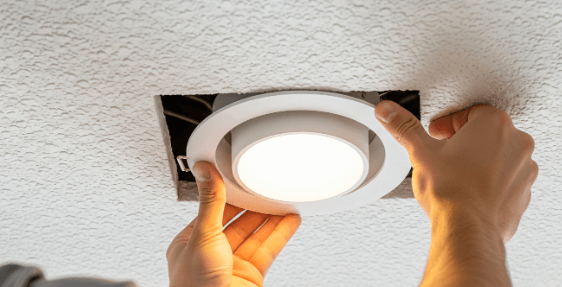
Smart lighting systems pair LED fixtures with occupancy and daylight sensors. Lights turn off when spaces are empty. Output drops when natural light is available. Over time, this reduces energy demand and lowers greenhouse gas emissions tied to electricity production.
Intelligent HVAC and Load Controls
Heating and cooling systems consume significant power. They also tend to run longer than needed.
Smart HVAC controls adjust output based on actual conditions. Temperatures shift gradually during low-use hours. Peak demand is managed instead of ignored. This approach reduces strain on power grids that still depend on fossil fuels and improves overall energy efficiency.
Power Management for Office Equipment
Office equipment often draws power even when no one’s using it. Computers, printers, and shared devices sit in standby mode overnight and on weekends.
Smart power management groups equipment into zones and automatically schedules shutdowns. Nonessential loads turn off after hours. Essential systems stay active. This balance cuts unnecessary energy use without slowing productivity.
Monitoring, Automation, and Data-Driven Energy Decisions
Electrical upgrades are most effective when energy use is visible. Monitoring tools turn raw data into clear patterns that teams can act on.
Energy Management Systems
Energy management systems collect usage data across lighting, HVAC, and power circuits. Dashboards show where electricity use spikes and where waste occurs.
With this information, facilities teams can fine-tune schedules and adjust loads. Over time, energy use declines steadily rather than in short bursts.
Carbon Accounting Software Connected to Energy Data
Carbon accounting software converts electricity usage into measurable carbon emissions. When tied directly to energy systems, reporting becomes more accurate.
Clear data supports climate goals and corporate sustainability reporting. It also reduces guesswork when tracking year-over-year progress.
Using Renewable Energy to Support Electrical Upgrades
Renewable energy works best after energy demand is under control. Once waste is reduced, clean power becomes more effective.
Solar Panels Paired With Smart Electrical Systems
Solar panels lower reliance on fossil fuels, but timing matters. Smart electrical systems align energy use with solar energy production.
Loads shift toward daylight hours. Stored energy supports peak demand. This coordination increases the impact of solar energy without oversizing systems.
Renewable Energy Certificates and Green Energy Providers
Some businesses can’t generate power on-site. Renewable energy certificates and green energy providers help cover the remaining electricity needs.
Used carefully, these tools support carbon-neutral targets. They work best when paired with real reductions from energy efficiency improvements.
How Electrical Upgrades Support Broader Sustainability Efforts
Smarter energy use supports more than carbon reduction. Lower demand often leads to less wear on equipment and fewer replacements over time. That supports waste reduction and better use of sustainable materials.
Energy performance also affects the supply chain. Partners and clients increasingly expect measurable action on emissions. Businesses that manage electricity well show that sustainable business practices extend beyond policy statements.
When Carbon Offsetting and Credits Fit the Strategy
Carbon offsetting and carbon credits can help address residual emissions after upgrades. They should come later in the process.
Direct reductions through energy efficiency and renewable energy provide longer-lasting benefits. Offsets work best as a support tool, not a substitute.
Conclusion
Smart electrical upgrades are among the most direct ways to reduce carbon emissions in business settings. Better control leads to lower waste. Cleaner energy becomes easier to integrate. Clear data keeps progress visible.
Together, these changes help businesses move toward carbon reduction goals with confidence. Electricity shifts from a hidden source of emissions into something that can be measured, managed, and improved over time.