


Energy Harvesting: The Missing Link in Your Renewable Strategy
By Lou Ferrall
Energy harvesting could be one of the most revolutionary complements to a greener energy portfolio. The future will see increased use of electrical devices as smart cities expand and households adopt more technology to enhance their lifestyles. What makes them unique alongside renewable power generators, and how could their deployment reduce grid strain?
What Is Energy Harvesting and Its Importance in the Green Transition?
Energy harvesting is the practice of using technologies and techniques to capture, store, and convert ambient energy into usable electricity. This practice allows devices to reuse energy, typically on a smaller scale. The concept often works in conjunction with renewable energy, as nearby machinery draws power from green power generation to operate.
To minimize strain on the primary generator, typical harvesters have minimal energy requirements. Energy harvesting draws power from a source, such as a solar panel or wind turbine. Other sources could include heat, vibrations, or radio waves, among others. Inside the harvesting device is a transducer, a component that converts power into electricity. Then, the product’s battery or management system stores the power for later use.
Devices like these are essential to the renewable energy transition because they use ambient energy rather than requiring a connection to the primary power grid. This is crucial for rural or remote locations with minimal infrastructure. Innovations like personal medical devices and other wearable technology could remain powered at all times without compromising the wearer’s well-being.
What Techniques and Tools Are Required to Implement It?
These are the technologies that empower energy harvesting at scale.
Solar Energy
Community solar farms, rooftop panels, and other solar infrastructure are among the most prominent examples of harvesting. Excess generation can be sent back to the grid or a microgrid, providing electricity to everything, including households and roadway signs.
Wind Energy
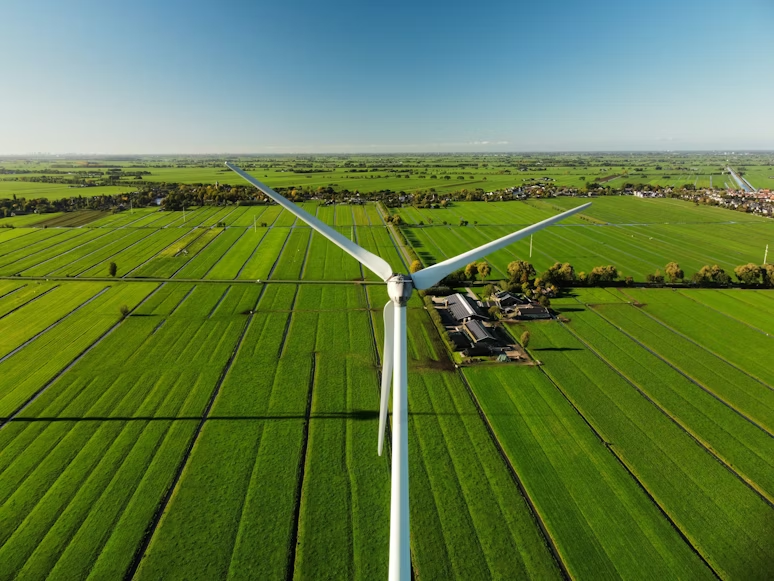
Small-scale wind energy is gaining popularity as a complement to larger farms’ efforts. Some construction experts are embedding turbines into building designs or establishing distributed wind systems. These are networks of integrated devices that can energize entire communities.
Kinetic Energy
Pressure and vibrations are a deceptively powerful energy source for harvesters. Innovations such as textured piezoceramics are vital because their composition enables them to store more energy from impacts than other materials. Something as simple as a playground could have tiles installed in the ground that, when pressed, take an individual’s movement and turn it into electricity. Another application is public transportation, which could harvest energy from braking.
Thermal Energy
Using heat requires two primary technologies — waste heat recovery equipment and geothermal energy infrastructure. Large buildings, such as data centers, that generate significant waste heat could incorporate generators into the structure to harness it.
Additionally, geothermal pipes pull heat from below ground, making the most of the planet’s core. It is an infinitely available power source for harvesters, regardless of location. One type of geothermal system warms water as it flows through, heating both the building envelope and the water heater.
What Advantages Does Energy Harvesting Provide for Sustainability?
Renewable energy expansion provides immediate, large-scale benefits to society. While it should remain a priority, the dissemination and development of energy harvesting technologies must maintain equal relevance and momentum because of the advantages they deliver.
Lower Carbon Footprints
Energy harvesters are inherently more sustainable than conventional power management. Americans discard over three billion batteries annually, but many harvesters are battery-free, reducing chemical exposure to habitats and wildlife. They extend a device’s life without releasing toxic pollutants into the environment when it is no longer in use.
Economic Stability
Electricity becomes more cost-effective with energy harvesters. Utility-scale infrastructure tends to have fewer devices over time, cutting costs for businesses and consumers. It can also lead to financial security in other ways. Consider a company using sensor-based devices for monitoring. These energy harvesters enable continuous monitoring, reducing time, money, and resource spent on manual interventions and delivering significant savings.
Simpler Grid Modernization
National grid infrastructure is reaching the end of its life, requiring workers to install significant amounts of new technology. They must ensure compatibility, as legacy devices and cutting-edge technology work together until the grid is fully modernized. Removing some equipment from the grid entirely during this process could improve interoperability.
Better Uptimes and Reliability
Critical infrastructure is increasingly vulnerable to interruptions. Natural disasters can cause blackouts due to fallen trees, cyberattacks can lead to service interruptions, and aging transformers may overload.
In 2022, the average household experienced five and a half hours of electrical disruptions, damaging the grid’s reputation. To make it more dependable, fewer devices must rely on it to stay powered. Energy harvesters are a powerful solution for minimizing load stress and keeping as many devices powered as possible in emergencies.
Embracing More Comprehensive Energy Design
If a solar panel or regenerative braking mechanism produces more energy than it needs, it can be used to prevent waste. There are numerous opportunities to harness additional electricity, providing greater energy security for communities with high prices, limited access, or outdated infrastructure.
Deploying energy harvesters to take devices off the primary grid will alleviate many pain points, including mismanaged transmission and overloads. Embracing harvesters as part of the mix will contribute to the future of smart, energy-conscious communities.
Lou Farrell
Lou is the Senior Editor of sustainability and technology for Revolutionized Magazine. He has over 4 years of experience crafting compelling articles on a variety of topics, from energy efficiency trends to eco-friendly construction. He loves to write, and is passionate about sharing his knowledge with others.