


Comparing Heating Systems for Your Home
Are you looking for the best heating option for your home?
As recently as 1960, the majority of homes were heated using fire or coal. Of course, with environmental concerns growing, more people in the modern era are looking for greener and more cost-effective ways to heat their homes.
So, if you want to compare the most popular systems out there, read on.
Oil Heating (Oil Boiler Systems)
Oil heating systems use a boiler that burns oil stored in an outside tank. This can be used to heat water that is then sent to your home’s radiators or underfloor heating.
It is ideal for rural homes with space for the tank; although these were wasteful historically, they are now more efficient. Best of all, any oil delivery company you choose can set up the tank and prebook delivery dates, so you are never out of fuel.
It should be noted that oil prices fluctuate. When purchasing fuel, it is unlikely you will be able to pay by direct debit.
Gas Central Heating (Natural Gas Boiler)
Gas heating is the most common system in Europe and the US. A gas boiler is set up in the home to burn natural gas, which is then used to heat radiators and water.
It is usually the cheapest option and has the fastest response of most of the systems listed. As such, it is widely available, but it is not ideal for the aforementioned rural or remote properties. You need to have a gas grid connection, which can make it harder to access in parts of the USA.
Electric Heating
This is a system that utilises electricity to generate heat, rather than burning fuels. Most homes with electric heating will have storage heaters that hold the energy at night and release it during the day.
These are by far the easiest systems to install, as no pipework needs to be laid, and all you need is access to electricity. They are low maintenance (no safety checks needed), but they can also be expensive to run. Also, many homeowners have noted that they can feel like they create inconsistent heat.
Heat Pumps
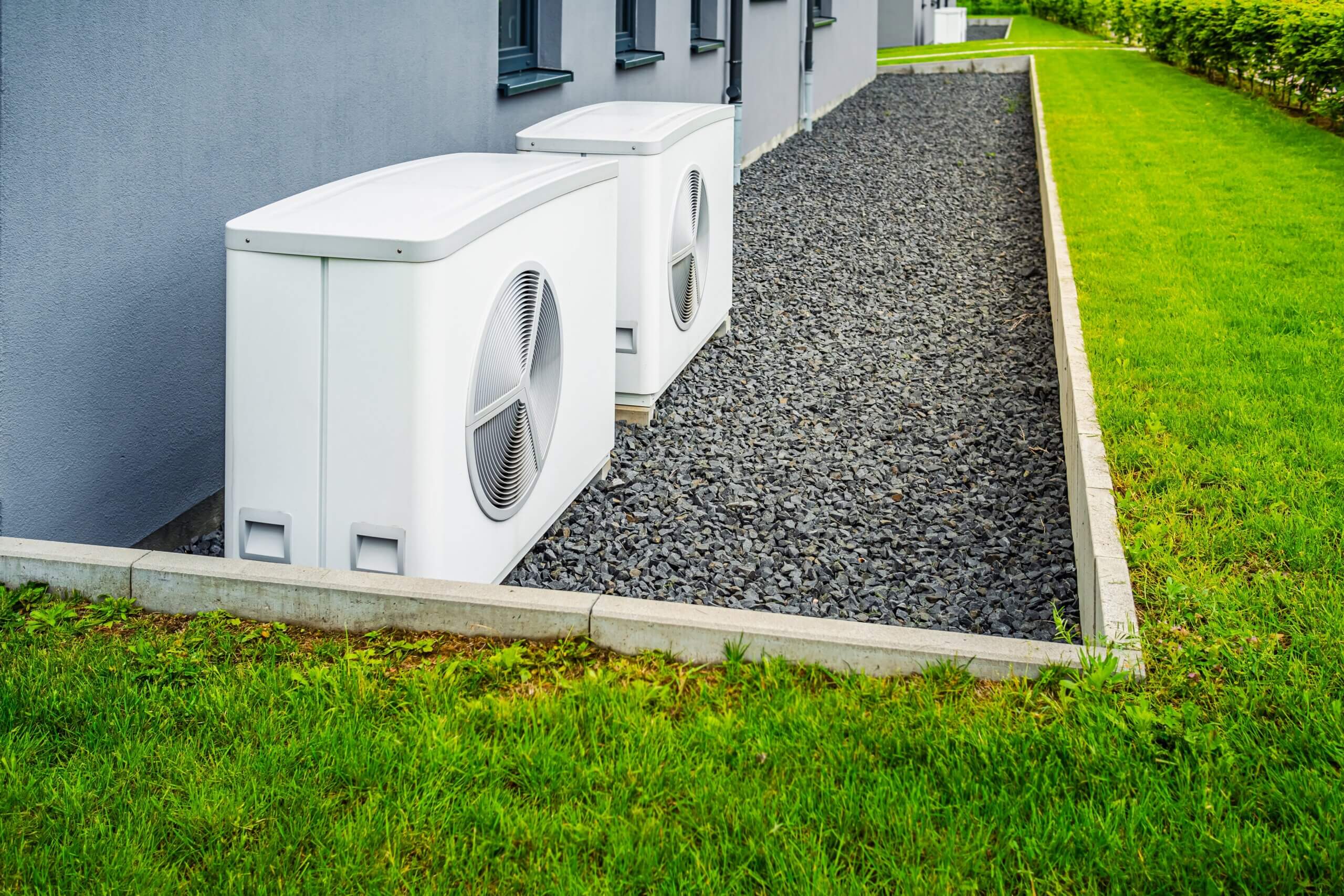
As the name suggests, heat pumps move heat from the air outside your home (or in the ground) into your home, rather than creating heat by burning fuels. These are seen as one of the most energy-efficient options for homes, as they have a low CO2 output and reduce heating bills.
However, they do have a high setup cost, and to work, you need to ensure your home is well insulated, or you may end up losing most of the heat through the roof and walls.
When choosing the right heating for your home, you will need to consider your local climate, space, budget, and whether you can provide maintenance for some of the heating systems listed.