

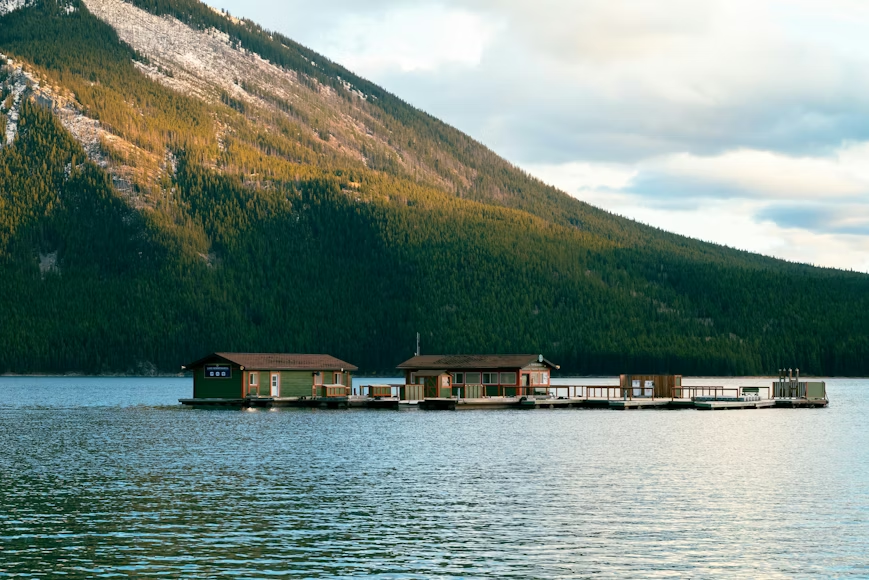
Building on Water: Sustainable Materials and Construction Methods for Aquatic Housing
Rising sea levels, heavier rainfall, and increasingly crowded cities are prompting architects and developers to turn to aquatic construction to build new homes. Floating homes and amphibious structures are becoming more common nationwide, particularly in areas prone to coastal flooding or land loss. Many of these homes are constructed using eco-friendly materials and sustainable methods that work in harmony with nature rather than against it.
Why Floating Houses Are a Sustainable Solution
 Coastal cities are more vulnerable to the effects of climate change. Sea levels are rising by roughly one-eighth of an inch per year, leading to more frequent inland flooding and stronger storms. Additionally, there’s a growing shortage of land for building new homes, so a solution is needed to keep coastal neighborhoods safe and livable.
Traditionally, cities relied on coastal engineering and land reclamation, but today, more and more experts are turning to floating houses. These are homes built on buoyant platforms that rise and fall with the water. Also known as aquatic houses, they stay stable through guided posts or secure anchoring systems and remain safe even when floods or tides change.
Some of these houses are permanently floating. However, others rest on the ground under normal conditions and only float during high tides or floods. This ability allows them to operate at elevations above sea level and in flood-prone areas, making them a more sustainable solution for protecting against climate change.
Floating houses also offer environmental benefits. They can attract birds, create habitats and feeding grounds for marine life, and support small ecosystems around them. Moreover, they help preserve natural ecosystems because they don’t require soil alterations, land leveling, or deforestation.
By prioritizing greener materials and renewable energy, these houses can also help reduce the construction industry’s environmental footprint, which accounts for an estimated 37% of global carbon emissions.
Sustainable Materials Designed for Life on Water
Floating houses often use different materials from those in regular homes. The materials must withstand water intrusion, which can weaken the structure and promote mold growth. They must also be corrosion-resistant and cause minimal disruption to the local ecosystem.
1. Expanded Polystyrene (EPS)
Many modern floating houses use EPS pontoons because they are lightweight, stable and cost-effective. Made of about 98% air and 2% polystyrene, they offer strong buoyancy and reliable support. This material is often paired with concrete or high-density polyethylene to protect it from wear and environmental stress.
EPS pontoons are easy to handle, simple to customize, and naturally hydrophobic. Additionally, they appeal to designers as a cleaner, more sustainable option for floating houses, as they can be fully recycled.
2. Lightweight and Geopolymer Concrete
Another innovation in floating foundations is the use of high-performance, lightweight concrete. Traditional concrete is denser and prone to water absorption. Floating concrete utilizes lightweight aggregates and incorporates built-in air pockets to achieve natural buoyancy and minimize overall load.
This allows the structure to remain stable on water without relying on oversized pontoons. Some designers are also using geopolymer concrete, a more sustainable alternative that still offers durability and resistance to marine conditions, thanks to its corrosion-proof qualities.
3. Cross-Laminated Timber (CLT)
CLT is one of the most talked-about materials in sustainable architecture. It’s strong, light, fire-resistant, and produced from responsibly managed forests. Using this material in place of concrete or steel can also significantly reduce the carbon footprint of new buildings. This makes it an excellent choice for floating houses, where both strength and low environmental impact are required. Various floating houses around the world use CLT for the walls and roof.
4. Cork
Some floating home projects utilize renewable, natural finishes, such as cork cladding and green insulation. These materials can reduce carbon footprints, improve energy efficiency, and minimize chemical leaching into water. For example, the Float project in the Netherlands uses cork on the exterior to improve insulation while reducing material use.
Sustainable Construction Methods for Aquatic Housing
Building on water encourages waste-reduction practices and accelerates the construction process.
Prefabrication
Prefabrication means that many parts of the house are built in workshops, where quality control is more consistent. Using this method reduces material waste and improves quality. Once the parts are finished, they are moved to the site and connected with minimal environmental disturbance.
Lightweight Design
Weight is a crucial factor in determining how a floating home floats. Therefore, you need to consider the weight of building materials, any seasonal loads (e.g., snow), and how that weight is distributed across the platform.
Modular Construction
For people seeking flexibility, modular construction might be the ideal solution. These floating houses can be expanded or adjusted without tearing down major sections. As a result, you can reduce long-term waste and support a more sustainable life cycle.
Ensuring Energy and Water Efficiency
In addition to sustainable materials and construction methods, people also integrate energy- and water-efficiency systems into their floating houses. Some of the main ones are as follows:
> Solar panels: Since most floating houses are in open environments, they receive ample sunlight exposure. Many of these homes can achieve energy self-sufficiency by adding solar panels to their roofs.
> Water management and waste treatment: Due to their proximity to water, floating houses typically incorporate rainwater collection, greywater recycling and safe waste treatment to avoid polluting the surrounding environment.
> Natural temperature regulation: Water helps regulate temperature, reducing reliance on heavy heating or cooling systems. You can add well-insulated walls and innovative design features, such as a heat pump system, to further reduce energy consumption while maintaining proper heating.
Considerations Before Building a House on the Water
Floating houses offer numerous benefits, but it’s essential to ensure they’re well-designed to prevent causing harm to marine ecosystems and aquatic life. Moreover, because floating architecture is relatively new in many areas across the U.S., there’s a lack of consistent building codes and regulations. This can complicate planning and insurance.
Another thing you need to keep in mind is maintenance. Even sustainable materials require extra care in marine environments. Therefore, you’ll need to periodically inspect and maintain floatation systems, anchors, and all of the elements in the floating house that get direct water exposure.
Floating Houses Offer a Sustainable Housing Solution
Floating houses are an excellent housing solution. As long as they’re designed well and built with sustainable materials and methods, these houses offer a promising solution to climate change challenges. By providing both climate resilience and a lighter environmental footprint, they represent a truly forward-thinking approach to modern living.