


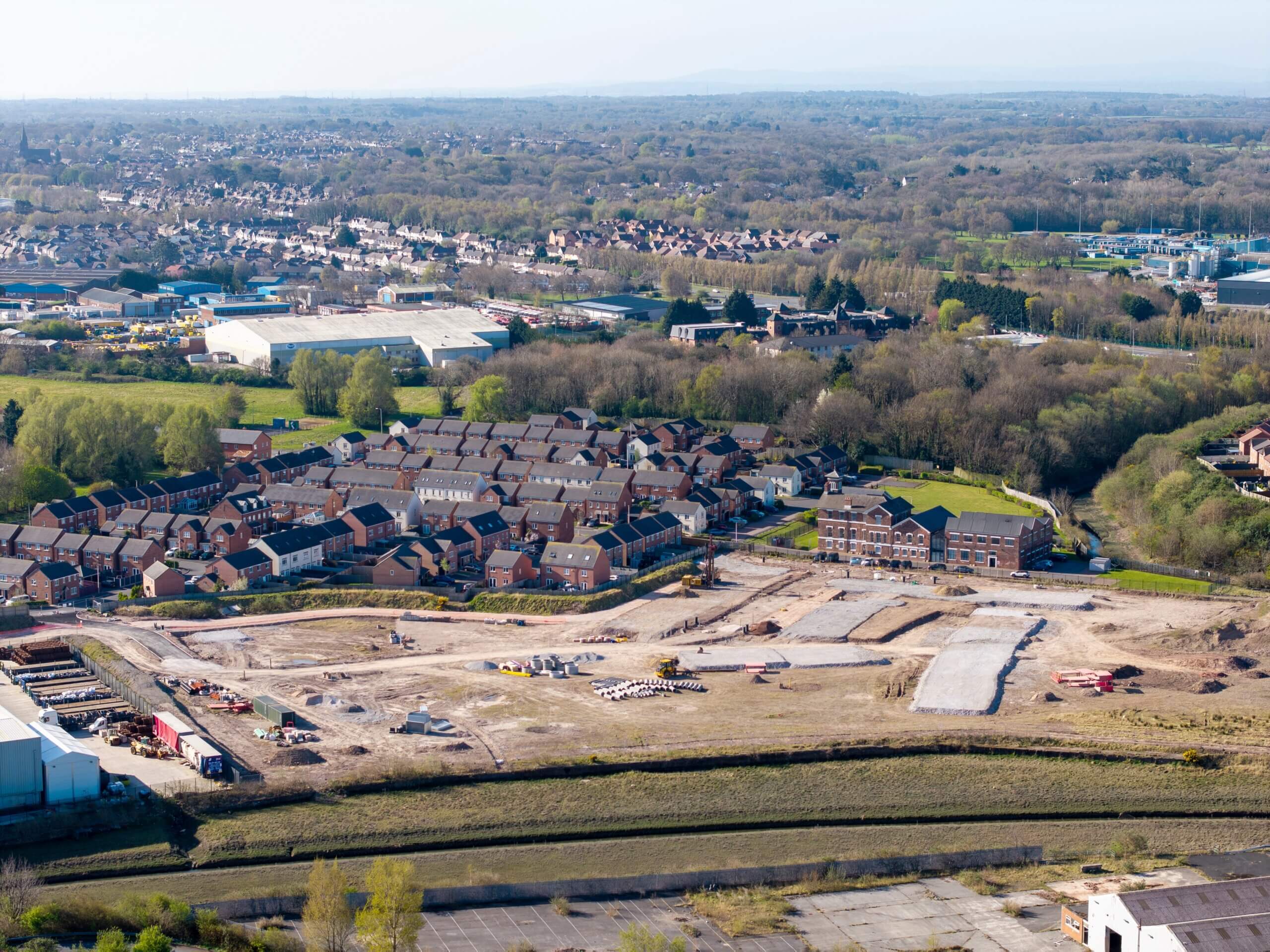
From Remediation to Restoration: Turning Contaminated Sites Into Thriving Green Spaces
By Lou Farrell
When industrial or commercial facilities shut down their operations, they often leave more than a standing structure in their wake. Throughout history, these contaminated sites have been viewed as liabilities, creating problems that most would rather not think about. However, new perspectives highlight their potential as opportunities in disguise.
Remediation is more than just cleaning the surrounding environment. It is a full socio-ecological transformation that demonstrates how the most neglected spaces can cultivate a greener tomorrow.
The Hidden Cost of Contaminated Land
Brownfields are properties whose redevelopment is hindered by the presence of potentially hazardous substances. As a result, they often remain underutilized or abandoned. There are nearly 450,000 to 1 million brownfields across the United States.
Many of these sites carry a legacy of heavy industrial operations that have left behind widespread contamination of soil, water, vegetation, and air. If specialists do not contain the risk, exposure to pollutants may occur through inhalation of vapors or dust, or through ingestion of contaminated groundwater.
Brownfields tend to be concentrated in certain areas, so these sites often deepen the economic divide between middle-income suburban communities and low-income urban communities. For example, New Jersey has the highest number of unmitigated toxic waste sites, primarily attributed to the petrochemical sector. Because New Jersey is also the most densely populated state, its brownfields have placed undue pressure on its most vulnerable and ethnically diverse residents.
The Triple Bottom Line of Green Restoration
Conducting environmental site restoration has other benefits for the planet, people, and profit beyond explicit cleanup. From an ecological perspective, these projects restore habitats to enhance biodiversity, while native vegetation helps revitalize soil and filter contaminants from air and water.
Communities gain social benefits from new urban green spaces and recreational opportunities. Studies show that living close to parks encourages higher levels of physical activity, a healthier lifestyle, and better health outcomes.
Additionally, these sites can become hubs for new businesses, real estate, and sustainable infrastructure. It is not uncommon for former brownfield sites to be converted into utility-scale solar farms that help heal landscapes and drive a clean energy economy.
The Pathway from Remediation to Restoration
Turning a contaminated area into a thriving urban green space is complex. The path from remediation to restoration requires meticulous planning, the use of advanced cleanup technologies, and a steadfast commitment to long-term site management to ensure success.
Strategic Planning and Permitting
Strategic planning is the most critical step in environmental site remediation, requiring a thorough assessment to identify which substances are present and to define clear goals for the land’s reuse.
A successful project hinges on the proper permitting and regulatory compliance processes initiated during the preconstruction phase. This foundational work ensures the initiative is scientifically and legally sound and compliant, setting the stage for sustainable results.
Modern Remediation Techniques
Scientists and engineers deploy several modern remediation techniques during active construction to treat contamination. Their methods usually range from simple soil excavation and disposal to advanced thermal treatments.
Some sustainable approaches, like phytoremediation, are becoming more popular. Phytoremediation uses plants as agents to absorb and immobilize heavy metals and other pollutants. It is often considered an ecologically friendly and economically efficient alternative to traditional mechanical site remediation strategies.
Additional biological strategies include microbial remediation to degrade hydrocarbons, while pump-and-treat systems, chemical oxidation, and groundwater circulation wells are common methods for neutralizing harmful compounds in groundwater.
Long-Term Evaluation and Mitigation
Even when construction teams leave, it marks just the beginning of a new chapter in stewardship. The postconstruction phase is crucial to ensure the long-term health and stability of the newly established or restored ecosystem.
Specialists must regularly monitor soil and groundwater to ensure the site is safe and does not exhibit residual signs of degradation. Adaptive management plans often deliver the right data-driven approach to evaluate, mitigate, and implement the appropriate measures for lasting success.
Success Stories of Thriving Green Spaces
Several contaminated areas across the U.S. have undergone successful environmental site restoration. One site, in particular, was a 200-acre industrial brownfield in Milwaukee, Wisconsin, which was redeveloped into an energy-efficient green facility with access to nature. The project established 70 acres of green space, including three parks with a range of recreational amenities and native habitats.
After 120 years of operation, a former lumberyard in Brattleboro, Vermont, was remediated to become a public park to protect the area from flooding. When the gravel fill worsened flooding during Tropical Storm Irene, the EPA stepped in to remove 55,000 cubic yards of fill and 10,000 cubic yards of contaminated soil. With the planting of 4,500 new trees and shrubs, the site has been restored to a natural floodplain that protects the surrounding community from damaging storms.
Planting the Seeds for a Greener Tomorrow
Turning once contaminated land into urban green spaces and restored habitats is among the most effective ways to create a sustainable and resilient future. With careful planning and comprehensive environmental site remediation, scientists, engineers, and communities can give damaged land a second life.
Lou Farrell
Lou is the Senior Editor of sustainability and technology for Revolutionized Magazine. He has
over 4 years of experience crafting compelling articles on a variety of topics, from energy
efficiency trends to eco-friendly construction. He loves to write, and is passionate about sharing
his knowledge with others.