


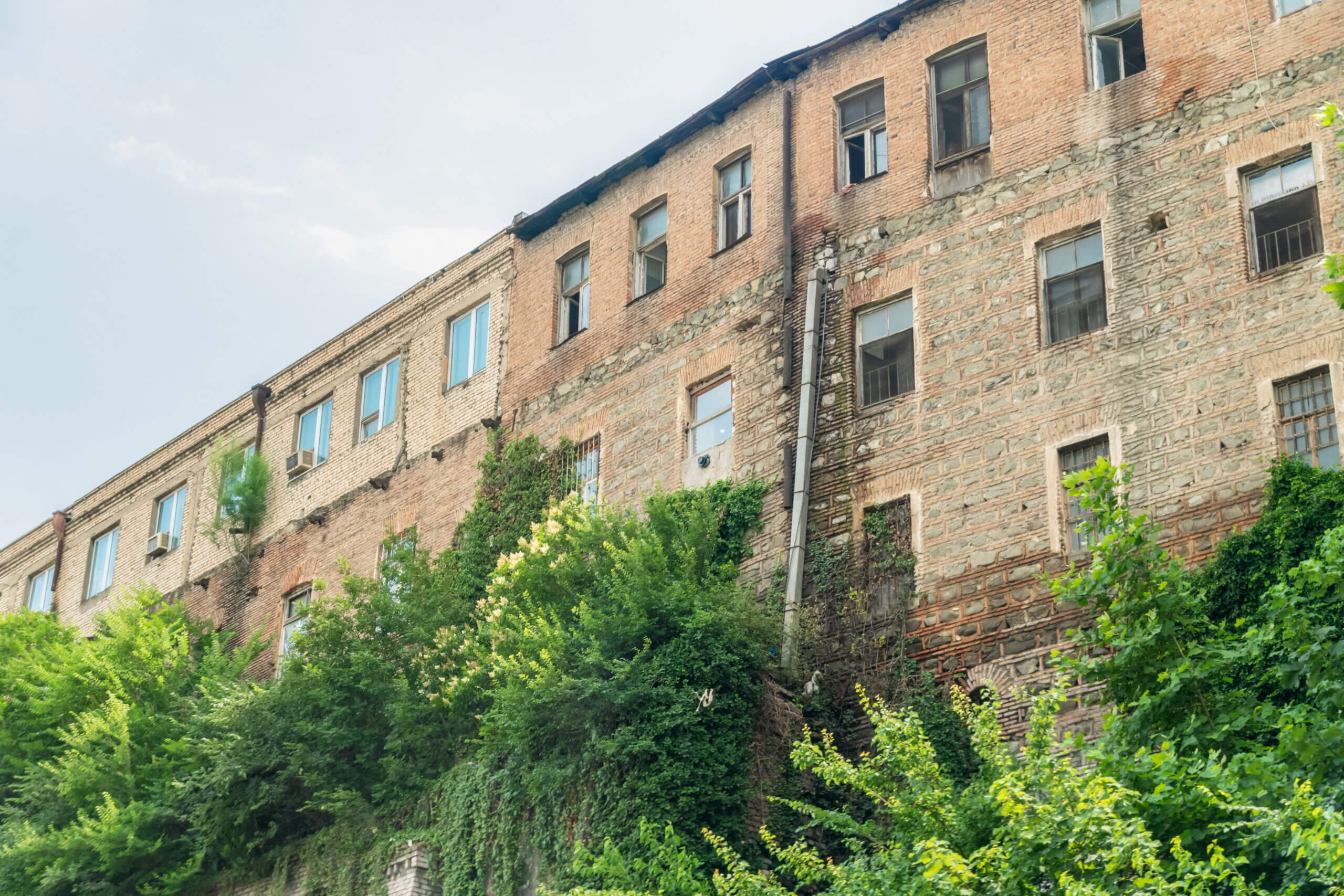
A Greener Approach to Renovating Aging Buildings
Older buildings often come with solid bones, useful materials, and years of character already built in. They can also carry outdated systems that waste energy or make renovations harder than expected.
Taking a greener approach to renovating aging buildings means improving performance while keeping as much of the existing material in place as the project allows.
That balance matters because demolition creates large amounts of construction waste. Renovation gives owners another option: upgrade the parts that need attention while preserving the structure and materials that still have plenty of life left.
Start With What the Building Already Has
The first sustainability decision often happens before anyone orders new materials. Look at which structural elements or finishes can stay. Existing wood floors may need refinishing rather than replacement, while solid doors or masonry may last for decades with proper repair.
Preserving what still works can reduce the amount of material sent to disposal. It also makes better use of the energy and resources already invested in the building.
In many cases, updating an existing structure instead of replacing it can support a lower-impact renovation while keeping more original material in use.
Audit Energy Use Before Choosing Upgrades
Older buildings can hide energy losses behind attractive walls. Before replacing equipment, look at how the building currently uses energy. An energy audit can reveal where heating or cooling escapes and which systems draw the most power.
That information helps owners prioritize upgrades instead of spending on improvements that may have little effect on performance.
Start with the areas that create the greatest losses. Air leaks around windows may deserve attention before an expensive mechanical system replacement.
Owners can also compare utility data before and after renovation. That creates a clearer picture of whether the upgrades changed the building’s performance.
Improve the Building Envelope Carefully
Walls and roofs influence a building’s energy needs. Older buildings often lack proper insulation or have gaps that let conditioned air escape. Enhancing the building envelope can lower heating and cooling requirements without drastically changing the building’s look.
Weather sealing around windows is beneficial if the original units are in good condition. Some projects might also include upgrading glazing or adding insulation, based on the structure.
When dealing with older walls, careful planning is essential because moisture moves differently through traditional materials compared to modern ones. Consulting a building professional experienced with older construction can ensure upgrades improve energy efficiency without causing moisture issues.
Treat Hazardous Materials as Part of the Plan
Sustainable renovation still needs to account for materials that require special handling. Older buildings may contain asbestos or lead-based paint, depending on their age and construction history. Testing before cutting or drilling gives crews useful information before work starts.
If testing identifies a hazardous material, qualified professionals should follow the rules governing its removal or management.
When work could disturb a questionable material, understanding how professionals safely drill through hazardous materials also shows why identifying the material before construction begins matters.
Careful planning can limit unnecessary disturbance and reduce the chance of spreading harmful dust through the building.
Salvage Before Sending Materials Away
Renovation waste does not automatically belong in a dumpster. Doors or hardware may have reuse value if they remain in good condition. Structural lumber can sometimes be used for another project, depending on its condition and local regulations.
Looking for salvage opportunities before demolition begins can reduce disposal and keep usable materials in circulation.
Create a Material Plan Before Demolition Starts
A simple inventory can keep useful materials from disappearing into mixed debris:
- Mark items that can remain in place.
- Set aside materials that may work elsewhere.
- Identify local reuse or recycling outlets.
- Separate hazardous materials from ordinary debris.
Planning before demolition starts makes reuse much easier. Once everything lands in one mixed container, sorting becomes more difficult.
Upgrade Mechanical Systems With the Future in Mind
Heating and cooling systems often account for a significant portion of a building’s ongoing energy consumption. When existing equipment reaches its end of life, owners should consider energy-saving options such as heat pumps, which can be efficient in many climates and building types.
However, the optimal choice depends on local weather conditions and the building’s insulation quality. A high-efficiency system won’t make up for major air leaks or poorly insulated walls.
Electrical capacity also deserves attention before installing new equipment. Older buildings’ electrical capacity may need upgrades to support modern systems such as heat pumps. Proper coordination of these decisions can help prevent owners from replacing a system only to have to open walls again later.
Choose Materials for a Long Service Life
A product with recycled content may look green on paper, but durability still matters.
Materials that wear out quickly create another round of manufacturing and installation. Long-lasting finishes can reduce that cycle while keeping renovation waste lower over time.
Look for materials that suit the building’s actual conditions. Flooring in a busy public space needs different performance than flooring in a quiet office.
Local sourcing may also reduce transportation impacts when comparable products exist nearby. Salvaged materials can offer another route, especially when their dimensions or appearance suit an older building.
The smartest material choice often comes down to choosing something that can stay in place for years.
Bring Water Use Into the Renovation
Energy gets much of the attention in green renovations, but water deserves a place in the plan. Older plumbing fixtures may use more water than newer alternatives. Replacing worn fixtures during an existing renovation can reduce consumption without creating a separate project later.
Leaks also deserve attention before cosmetic work begins. A hidden plumbing problem can damage new finishes and waste water long after construction crews leave.
Buildings with outdoor space may have opportunities to rethink irrigation. Local climate and landscaping needs should guide those decisions rather than applying one system everywhere.
Design Changes That Can Adapt Later
A building is more sustainable when future owners can modify it without extensive demolition. Flexible layouts enable spaces to adapt to new functions over time, while accessible utility routes reduce disruption during upgrades.
Designing renovations that accommodate future changes can prolong a building’s lifespan and minimize costly demolitions later.
Even in smaller projects, renovation teams can implement this approach by using removable partitions or accessible service areas to facilitate future modifications and reduce waste.
Measure What the Renovation Actually Changed
A green renovation should create results that owners can see beyond the finish schedule.
Track utility use after the work ends and compare it with earlier performance. Building managers can also monitor comfort complaints or maintenance needs.
If energy use stays high, the data may reveal where another adjustment makes sense. That feedback can guide future phases of renovation without relying on guesswork.
Sustainability works better when owners treat it as part of ongoing building management rather than a one-time construction goal.
Give Old Buildings a Smarter Next Chapter
Choosing greener ways to renovate aging buildings starts with respecting what still works and improving what no longer performs well.
Preserving useful materials can reduce construction waste, while energy upgrades can lower the building’s operating demand. Careful planning around hazardous materials also protects the people doing the work and the occupants who return afterward.
Older buildings do not need to be rebuilt as brand-new structures to meet modern sustainability goals. Thoughtful renovation can extend their useful life while reducing the environmental cost of starting over.