


Neglecting These Home Repairs Can Affect Energy Efficiency
As electricity prices surge in the US, homeowners need to use it wisely. CNBC cites data by the U.S. Energy Information Administration, which shows the rise of home electricity bills by 6% in 2025.
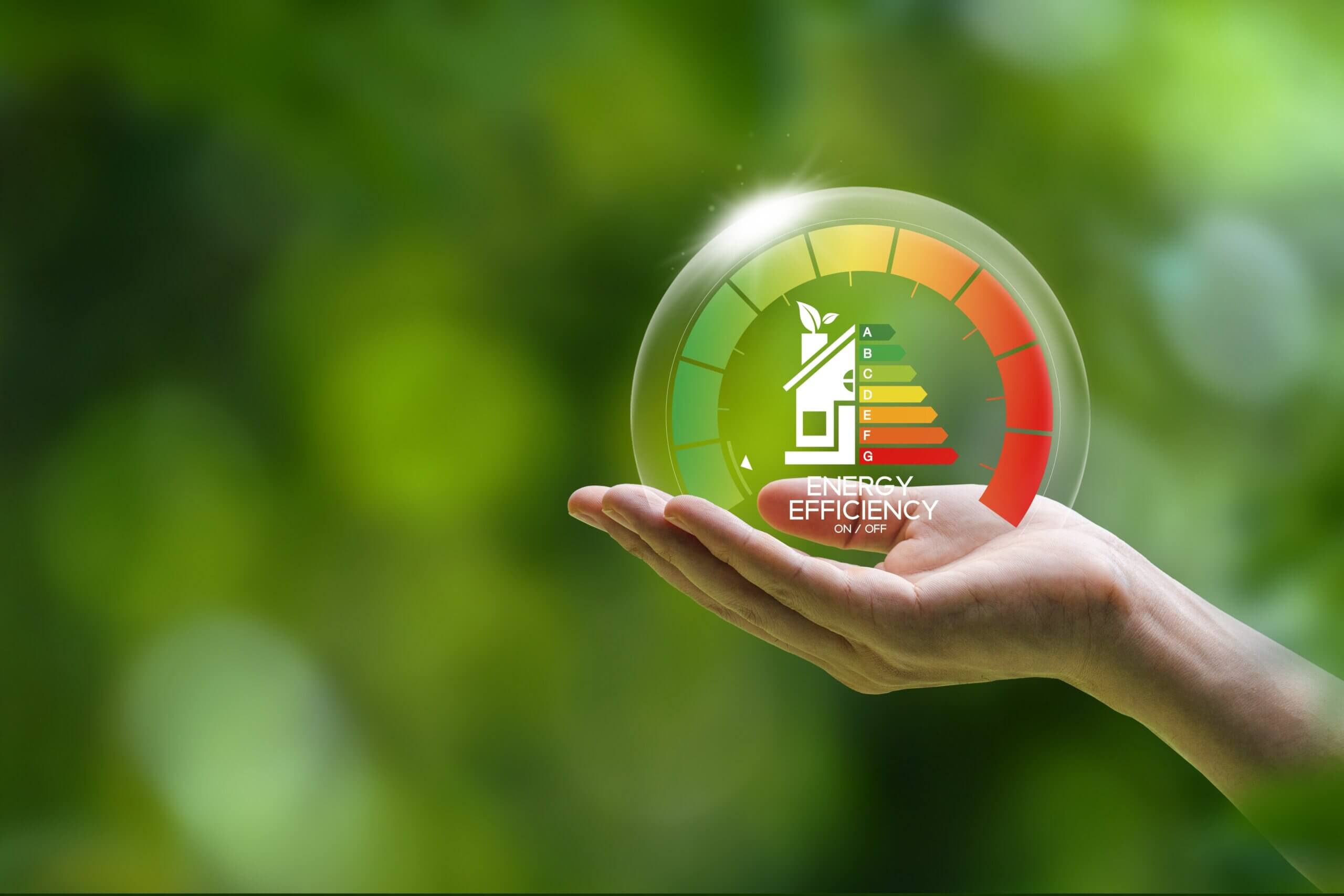
Energy efficiency is the use of less energy for heating, cooling, lighting, and operating appliances. Improving it can lower your bills, reduce equipment wear, and reduce your carbon footprint.
When you defer basic repairs, your home systems may end up working harder and consuming more energy. Simply calling reliable roofers or electricians can save you from a permanent “energy tax” you pay every month in higher utility costs.
In this article, we will list the essential repairs that can lower the energy efficiency of your home if neglected.
Roofing Issues
Your roof is a major thermal barrier for your home. Missing shingles, damaged flashing, or small leaks cause conditioned air to escape and infiltration of outside air. This pushes your HVAC system to work harder and run longer cycles.
Similarly, gaps around chimneys, vents, and skylights let drafts in and conditioned air out. Reliable Roofing and Restoration Inc. recommends roofing inspections to identify problems early and prevent extensive damage.
Addressing roof issues promptly helps maintain a tighter building envelope and keeps insulation dry and effective. Even relatively small roof repairs often cost far less than the long-term hit to your energy bills.
Faulty HVAC Systems
Heating and cooling often account for the largest share of a home’s energy use, so neglected HVAC systems can compromise energy efficiency. The Department of Energy notes inadequate maintenance is a key culprit. Dirty filters and coils, for example, can cause the system to malfunction.
Refrigerant leaks, drainage issues, and sensor malfunctions are additional concerns. Worn parts, such as blower motors, thermostats, or capacitors, can cause short cycling or poor performance. When such issues are overlooked, the system must run longer and consume more power. Even then, it still may not keep your home comfortable.
Regular inspections, cleaning, and timely repairs help maintain HVAC performance near its original efficiency. Ignoring problems may lead to escalating energy bills and premature replacement, which is far more costly than routine maintenance.
Appliance Problems
Older or poorly maintained appliances, such as refrigerators, water heaters, washers, and dryers, can consume much more energy than necessary. Conversely, efficient models are designed to perform the same tasks with significantly less electricity. According to WorkMoney, ENERGY STAR-rated products can actually cut your bills by 10-50%. The higher upfront cost is justified due to long-term savings.
However, even newer appliances waste energy if they are not serviced and used correctly. For example, a refrigerator with worn door seals has to run almost constantly to maintain temperature. A water heater with sediment buildup takes longer to heat the same amount of water. A dryer with clogged vents has longer run times and poses a safety risk.
Replacing outdated units with efficient versions is an option. You can also maintain existing appliances by cleaning coils, flushing tanks, and clearing vents. These steps reduce day-to-day energy use and pay back over time through lower utility bills.
Drafts and Leaks
According to The Spruce, air drafts can quickly chill a house, regardless of how much you run your HVAC system. Drafts may come from outlets, windows, attics, floors, and unsealed wall openings. Even recessed lights and empty plumbing gaps lead to this problem. Air leaks are like leaving tiny windows open all year.
Gaps around window and door frames, especially in older homes or where caulking has deteriorated, let air in. Poorly weatherstripped exterior doors that allow noticeable airflow at the bottom or sides. The worst thing is that homeowners often neglect this easy-to-fix issue.
Sealing leaks with caulk, foam, and quality weatherstripping is an easy fix that can improve comfort and reduce energy use. This simple step helps maintain a more stable indoor environment with far less effort from your HVAC system.
Improper Insulation
Insulation slows heat flow through your walls, roof, and floors. When insulation levels are too low, heat moves freely in or out of your home. This makes it harder to maintain comfortable temperatures and drives up heating costs in winter and cooling costs in summer.
Insufficient attic insulation allows rising warm air to escape easily in cold weather and significantly hurts energy performance. Gaps, voids, or compressed insulation create “hot” or “cold” spots in walls and ceilings. Moisture-damaged insulation that has lost its thermal resistance can even harbor mold.
Upgrading attic insulation, sealing around recessed lights and penetrations, and ensuring wall and floor insulation is intact can cut the energy needed to heat and cool. These improvements often offer some of the best returns on investment for energy efficiency.
FAQs
How often should you invest in home maintenance?
Consider home maintenance an ongoing annual habit rather than an occasional project. Seasonal or annual checkups are recommended for major systems, including HVAC servicing, roof inspections, and sealing of gaps and leaks. Some tasks, like changing HVAC filters or checking for drafts, may be needed every one to three months, depending on usage and local conditions.
What are the home repairs you should not overlook?
You should prioritize repairs that affect your home’s structure, safety, and energy use. Examples include roof leaks, HVAC problems, plumbing issues, electrical hazards, and any condition that allows water intrusion. Ignoring these areas can lead to higher energy bills, moisture damage, mold growth, and major structural failures.
Why should you bother about energy efficiency?
Energy efficiency matters because it directly reduces your monthly utility costs, improves comfort, and enhances indoor air quality. A more efficient home needs less energy to maintain temperature and run everyday services. Efficient homes also lower the greenhouse gas emissions of your home.
A well-maintained home is not just about aesthetics. It is also about your energy bills and carbon footprint. By staying on top of these common yet critical repairs, you turn your house into a tighter, more efficient system. Expect it to deliver comfort with lower waste, lower costs, and a smaller environmental footprint.