

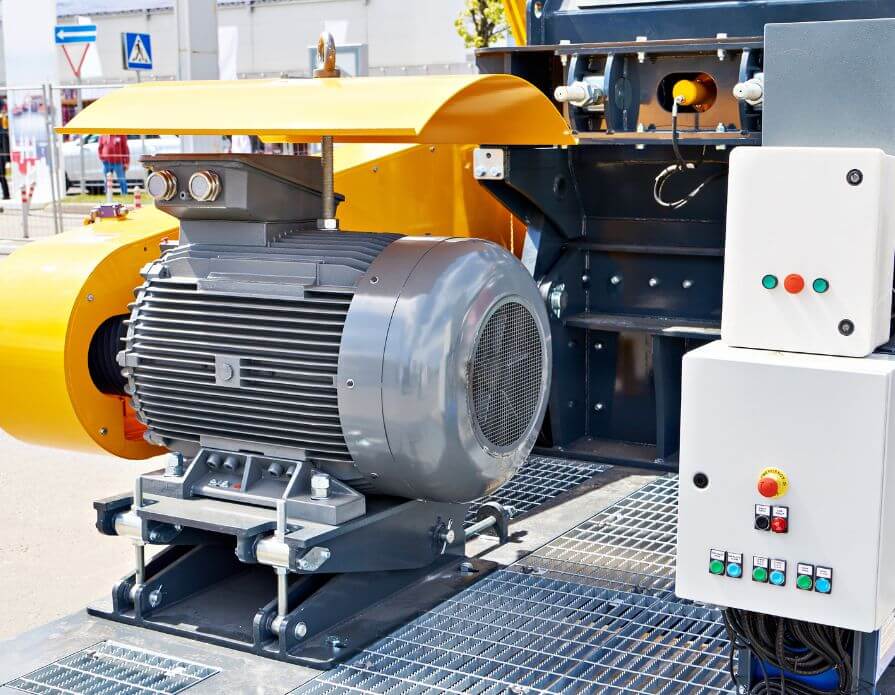
How Moisture Affects Industrial Electric Motors
Industrial electric motors work in environments that can expose them to humidity, washdowns, temperature changes, leaks, and airborne moisture. Even when a motor looks dry from the outside, water vapor can enter the housing and create problems that gradually reduce reliability.
Moisture can attack electrical insulation, metal surfaces, bearings, and internal connections. It can also increase maintenance demands and shorten service life, which drives up operating costs and creates unnecessary material waste.
Facilities that control moisture early can protect performance while supporting more sustainable equipment management. Here’s how moisture affects industrial electric motors.
Moisture Enters in Several Ways
Industrial motors rarely face only one source of moisture. Humid air can enter through openings, seals, cable connections, or damaged enclosures. Washdown operations can also push water toward areas that weren’t designed for direct spray.
Temperature swings create another common problem. When a warm motor cools, the air inside the housing can release moisture as condensation. Repeated heating and cooling can create small amounts of water that accumulate over time.
Leaks from pipes, roofs, cooling systems, or nearby equipment can add another source of exposure. Facilities should look beyond the motor itself when they investigate repeated moisture problems.
Condensation Creates Hidden Damage
Condensation often causes trouble because maintenance teams may not notice it right away. A motor can operate normally while small amounts of moisture collect around windings, terminals, or internal metal surfaces.
That water can reduce insulation resistance and create paths for electrical current to travel where it shouldn’t. Over time, repeated condensation can weaken components and increase the chance of an electrical fault.
Condensation also promotes corrosion. Rust and oxidation can damage fasteners, laminations, shafts, connections, and other metal parts, especially when moisture remains trapped inside an enclosure.
Insulation Faces Serious Risk
Electrical insulation separates energized conductors from surrounding components. When moisture penetrates or coats insulation, it can reduce the material’s electrical resistance and increase leakage current.
Insulation plays a role in electric motor longevity because winding health directly affects how reliably the motor handles voltage and heat. Moisture can accelerate insulation deterioration, especially when dirt, oil, or other contaminants mix with water.
Contaminated moisture creates an even more conductive film than clean water alone. That combination can increase the risk of tracking, short circuits, and winding failure.
Maintenance teams should treat insulation condition as a key indicator of motor health. Regular testing can reveal declining resistance before the motor reaches a critical failure point.
Bearings Can Suffer Too
Moisture doesn’t only threaten electrical components. It can also enter bearing areas and contaminate lubricants.
Water can reduce a lubricant’s ability to protect metal surfaces. Once that protection weakens, bearings may experience corrosion, wear, increased friction, and higher operating temperatures.
A damaged bearing can create vibration and place additional stress on the motor shaft and connected equipment. That chain of problems can turn a small moisture issue into a larger mechanical failure.
Corrosion Weakens Connections
Electrical terminals and connection points depend on clean, secure contact surfaces. Moisture can corrode those surfaces and increase electrical resistance.
Higher resistance can generate excess heat at terminals and connections. That heat can damage surrounding insulation, loosen components, and create another source of electrical stress.
Corrosion can also make maintenance more difficult. Technicians may struggle with seized fasteners, damaged hardware, or brittle connections when they service a motor that has faced long-term moisture exposure. Early moisture control helps keep your electric motor operating correctly while reducing the likelihood of complicated repairs later.
Enclosure Choice Makes a Difference
The motor enclosure should match the environment where the equipment operates. A motor in a dry indoor manufacturing area faces different conditions than one near washdown stations, outdoor process equipment, or high-humidity production zones.
Facilities should select enclosures that limit moisture entry without interfering with cooling. They should also inspect gaskets, conduit connections, drain openings, and seals because wear can reduce protection over time.
A suitable enclosure can lower the amount of water that reaches internal components. However, maintenance teams still need to inspect the installation because even a well-designed enclosure can develop leaks or blocked drainage paths.
Space Heaters Can Control Condensation
Some motors use internal space heaters to keep winding temperatures slightly above the surrounding air temperature when the motor doesn’t run. That small temperature difference can reduce condensation inside the housing.
Space heaters work especially well in locations with frequent temperature changes or high humidity. They can help during shutdown periods when motors cool and moisture would otherwise collect.
Maintenance teams should confirm that heaters operate as intended and receive power when the motor sits idle. A failed heater can quietly allow condensation to return.
Storage Requires Moisture Control
Facilities sometimes store spare motors for months before installation. Poor storage conditions can damage those motors before they ever enter service.
A dry, temperature-controlled storage area can reduce condensation and corrosion. Maintenance teams should also protect openings, inspect packaging, and follow manufacturer recommendations for shaft rotation and bearing care.
Long-term storage deserves regular attention. A spare motor represents a significant investment, and neglect can turn a ready replacement into another maintenance problem.
Proper storage also supports sustainability. Extending the usable life of spare equipment reduces premature replacement and limits the materials, energy, and transportation associated with purchasing another motor.
Cleanliness Supports Moisture Protection
Dust, oil, chemicals, and production residue can make moisture problems worse. Contaminants can trap water against surfaces or create conductive deposits around electrical components.
Cleaning schedules should reflect the motor’s operating environment. Facilities with heavy dust, food residue, chemical vapors, or frequent washdowns may need more frequent inspections than cleaner operations.
Technicians should use cleaning methods that suit the motor and its enclosure. Excessive water pressure or harsh chemicals can create new problems when they reach seals, coatings, or electrical components.
Monitor Insulation Resistance
Insulation resistance testing can help maintenance teams track changes in motor condition. A single measurement gives useful information, but a history of readings can reveal gradual deterioration more clearly.
Technicians should account for temperature and environmental conditions when they compare results. Changes in those conditions can influence resistance values.
A downward trend can signal moisture, contamination, insulation aging, or another developing issue. Catching that change early gives the maintenance team more options before failure forces an emergency repair.
Improve Drainage and Ventilation
Water that enters a motor needs a path out. Blocked drain holes or poorly positioned openings can allow moisture to collect inside the housing.
Maintenance teams should inspect drainage features and clear debris that prevents water from escaping. They should also confirm that installation orientation supports the motor manufacturer’s drainage design.
Ventilation can help in some environments, but airflow can also carry humid air or contaminants into the motor. Facilities should balance cooling needs with moisture protection rather than treating ventilation as a universal solution.
Maintain Seals and Connections
Seals, gaskets, conduit fittings, and cable glands often provide the first barrier against water intrusion. Age, vibration, heat, chemicals, and repeated maintenance can weaken these components.
Technicians should look for cracks, looseness, hardened materials, missing hardware, and damaged sealing surfaces. Replacing a worn gasket costs far less than repairing a failed winding or corroded bearing assembly.
Careful reassembly also plays an important role. Maintenance work can unintentionally create entry points when technicians pinch gaskets, leave fittings loose, or install the wrong replacement parts.
Connect Moisture Control With Sustainability
Moisture prevention supports more than reliability. It also helps facilities extend motor life, reduce emergency replacements, and get more value from existing equipment.
A motor that stays in service longer reduces demand for new raw materials and manufacturing energy. Preventive maintenance can also limit production interruptions that create scrap, wasted materials, or inefficient restarts.
Facilities should view moisture control as part of a broader asset-life strategy. Protecting motors from preventable damage can improve both operational efficiency and environmental performance.
Keep Motors Dry and Reliable
Moisture can damage an industrial electric motor slowly, which makes prevention especially important. Condensation, leaks, humidity, contaminated lubricants, and worn seals can all weaken electrical and mechanical components before a major failure appears.
Facilities can reduce those risks through appropriate enclosures, working space heaters, clean storage, regular inspections, insulation testing, reliable drainage, and careful seal maintenance. When teams control moisture consistently, they extend equipment life, reduce waste, and support more dependable operations.
A dry motor doesn’t just run more reliably. It also helps a facility use its equipment, energy, and maintenance resources more responsibly.