


How To Keep Electrical Waste Out Of The Trash Stream
You don’t have to work in a factory or run an environmental nonprofit to reduce electrical waste. You just need to shift how you see the stuff that powers your life. Chargers, extension cords, small appliances, and worn electronics often end up in the trash because tossing them feels quick and harmless.
However, when you treat keeping electrical waste out of the trash stream as a simple, everyday choice, you turn good intentions into action that actually moves the needle.
Buy With The End In Mind
The most sustainable item is often the one you don’t replace in the first place. When you shop, look for durability cues such as thicker strain relief on cords, replaceable parts, and clear repair information. If something breaks, pause before automatically replacing it.
Many “dead” devices fail due to a worn cable, a stressed connector, or a loose internal connection, all of which a repair shop can quickly fix. When you prioritize repairability and keep accessories in good condition, you reduce demand for new materials and reduce the volume of waste that requires processing later.
Handle Cables Like Valuable Material
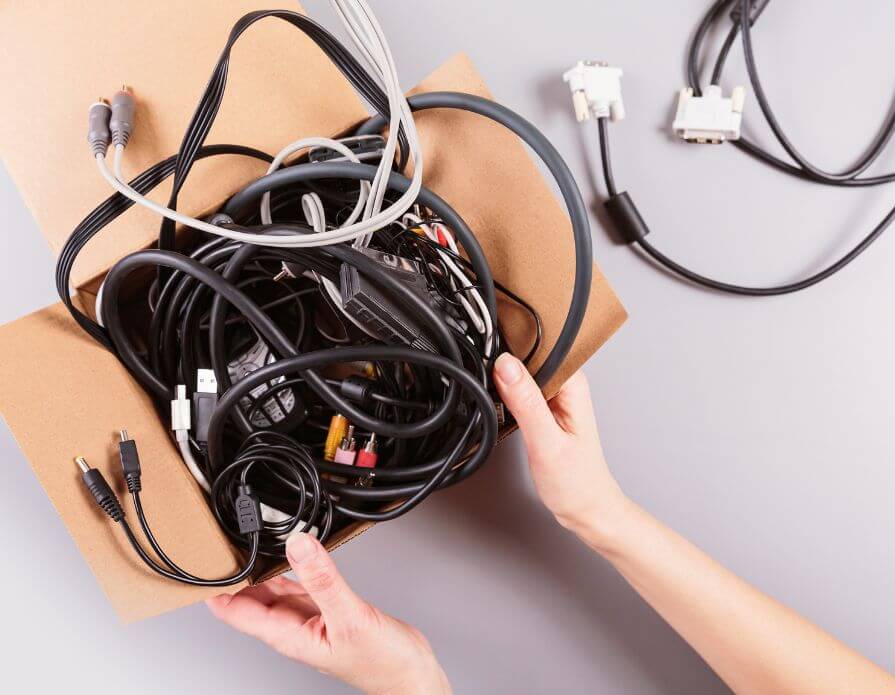
Cables feel minor, but they’re everywhere and often contain copper and plastics that can be recovered when collected properly. The trick is to stop treating cords as junk-drawer chaos. Coil them, tie them, and store them in one place so they don’t tangle or break further.
When you’re ready to replace them, follow the proper procedures for disposing of old or damaged power cables. Keep cords separate from household trash, avoid mixing them with wet or contaminated waste, and route them through a local recycler, retailer take-back option, or a community collection event.
Build Support Systems
Individual habits matter, but systems make habits stick. When your city, school, workplace, or community group offers collection events or drop-off locations, use them and talk about them! You can also encourage better access by asking local stores, libraries, or municipal leaders to host collection points.
When people know exactly where to take old electronics, fewer items end up in landfills or in informal dumping sites. This is also where sustainable e-waste programs make a significant difference, as they provide consistent pathways for safe handling, responsible recycling, and transparency into where materials ultimately go.
Keep Improving Without Trying To Be Perfect
You don’t need a flawless routine to make a meaningful impact. You just need a repeatable one that fits your life. Notice what trips you up, then adjust. If you forget to drop off items, schedule it alongside something you already do, like errands or a monthly cleanout.
If you’re unsure what counts as e-waste, keep a simple rule in mind: when it has a cord, a battery, or circuitry, don’t toss it by default. Remember, understanding how to keep electrical waste out of the trash stream is a practice, not a one-time cleanup.