

Why Farms Benefit From Remote Pump Irrigation Systems
Water conservation and energy efficiency are major priorities for agricultural operations. Farms must adapt to changing weather and growing demands on natural resources. Irrigation pumps influence both concerns because their operating schedules determine how much water moves through agricultural fields and how much energy the process consumes.
However, managing pumps across large agricultural areas is challenging when operators must visit equipment to check performance or adjust settings. The modern monitoring and control technology that remote pump irrigation systems offer is beneficial for farms. Learn how this technology conserves resources without compromising crop irrigation needs.
Decrease Water Waste
Standard irrigation operations require workers to travel between fields to start pumps or shut them down when watering ends. When equipment keeps running past the intended irrigation period, excess water enters the distribution system without serving an agricultural purpose. Remote pump controls address this problem by allowing operators to turn pumps on or off from a smartphone or computer.
For instance, an irrigation crew might discover that a field has received its planned water application before the scheduled shutdown. Instead of traveling to the pump, an operator could stop water delivery immediately.
This level of control becomes particularly valuable when multiple irrigation systems operate simultaneously across agricultural properties. By preventing unnecessary pumping, farms conserve available water supplies and reduce the energy used to move excess water.
Detect Water Leaks Promptly
Damaged irrigation pipelines and loose connections let large amounts of water escape before it reaches crops.
Unfortunately, operators might not notice a problem until they inspect equipment or observe unusual conditions in the field. Remote pump monitoring provides continuous visibility into operating conditions through pressure readings and water flow measurements.
When a pipe ruptures, the resulting pressure decline or unexpected flow change might indicate that water isn’t reaching its intended destination. Monitoring systems with configurable alerts notify operators when readings move outside established limits, allowing them to investigate the issue promptly.
Although pressure and flow changes don’t always indicate leaks, early warnings help farms identify potential water losses before they continue through an entire irrigation cycle.
Limit Unnecessary Energy Consumption
Electric and combustion-powered irrigation pumps consume energy whenever they operate, even when water delivery no longer serves an immediate agricultural purpose. Excessive runtime therefore increases irrigation energy use and adds unnecessary fuel consumption or electricity demand. Remote pump systems address this problem through automated timers, operating schedules, and shutdown commands.
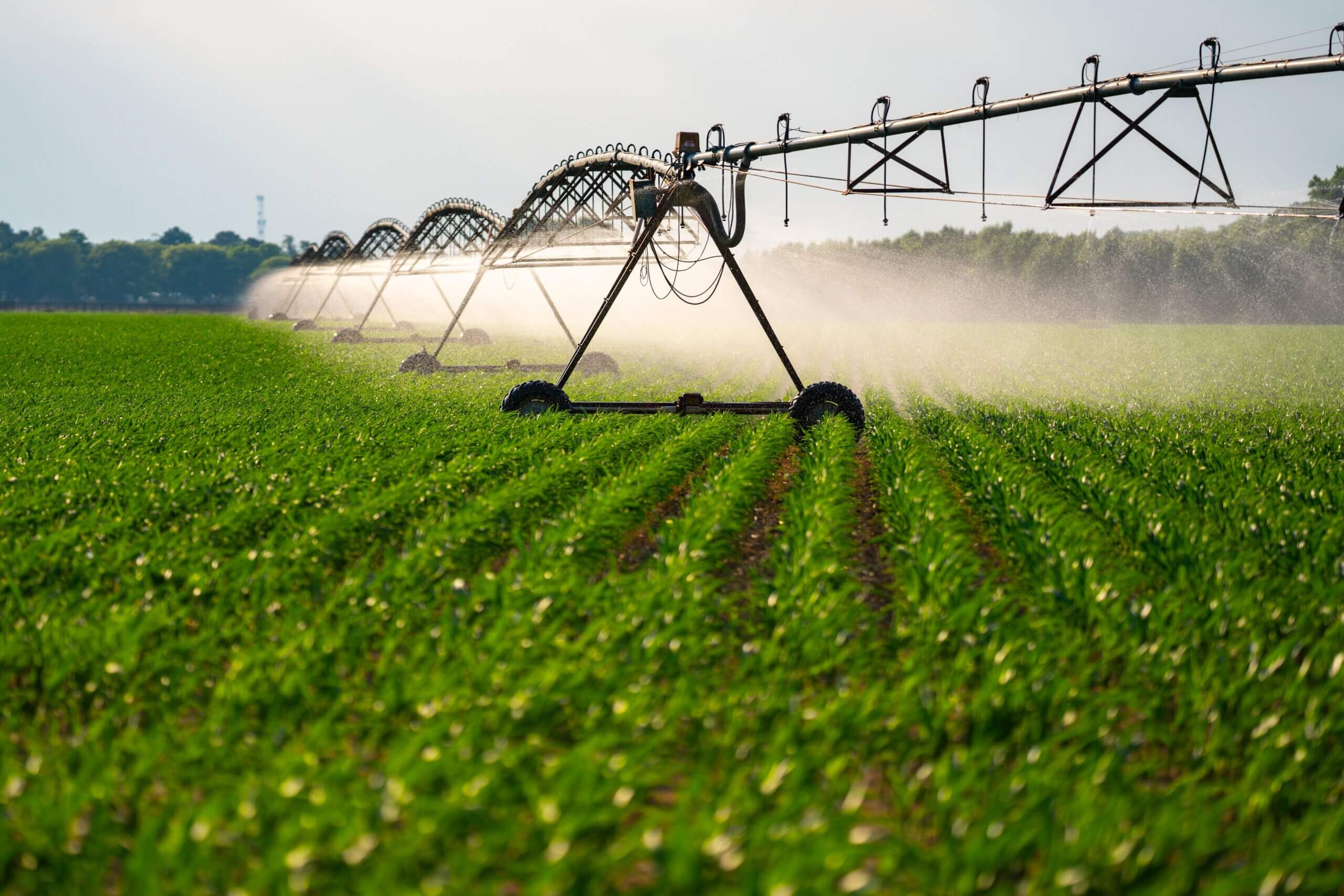
Consider a pump supplying water to a traveling irrigation system. If the irrigation equipment completes its cycle but the pump continues operating, the remaining runtime consumes energy without contributing to the intended watering activity.
Compatible remote control systems allow connected irrigation equipment to signal the pump when watering finishes, triggering an automatic shutdown. Eliminating unnecessary operating periods reduces energy consumption and, depending on the energy source, associated greenhouse gas emissions.
Improve Pump Energy Efficiency Through Speed Control
Not every irrigation application requires the same pressure or flow. However, pumps running at fixed speeds sometimes deliver more output than the active irrigation zone requires. This mismatch wastes energy, particularly when operators use throttling valves to restrict excessive flow.
Remote systems that integrate with variable frequency drives (VFDs) let operators adjust compatible electric pump motors to match operating demands. For example, reducing pump speed when an irrigation zone requires a limited flow rate can decrease electricity consumption compared with operating the pump continuously at full speed.
The energy savings depend on pump characteristics, system pressure requirements, and operating conditions. Nevertheless, appropriate speed control can reduce agricultural electricity demand without sacrificing the water delivery needed for crop production.
Reduce Transportation-Related Emissions
Agricultural irrigation equipment frequently operates across fields separated by considerable distances. Physical inspections require vehicle travel, especially when workers must verify pump operation, adjust settings, or respond to unexpected shutdowns.
Remote monitoring reduces routine visits by displaying equipment status, pressure readings, and operating conditions through connected devices. Workers can confirm whether pumps are operating as intended without driving to each location.
When an issue occurs, available monitoring information also helps crews identify the affected equipment before leaving for an inspection. Although farms still require in-person visits for maintenance and repairs, fewer trips reduce vehicle fuel consumption.
Strengthen Irrigation Scheduling
Agricultural water requirements change throughout the growing season as crops develop and weather conditions shift. Following rigid irrigation schedules without accounting for these changes risks applying water when fields don’t need the planned amount.
Remote pump systems provide scheduling controls that help operators coordinate irrigation periods with actual crop requirements.
Farmers can adjust pump operating times to reflect irrigation plans based on soil moisture observations, rainfall measurements, and estimates of crop water demand. For example, after significant rainfall, operators might postpone a scheduled irrigation cycle to avoid applying unnecessary water.
Remote scheduling lets operators make these adjustments without visiting individual pump stations. Combining accurate field assessments with automated controls helps farms manage water efficiency while maintaining sufficient soil moisture for healthy crop development.
Identify Resource Consumption Patterns
Daily pump readings provide a snapshot of irrigation activity, but historical operating records reveal how resource consumption changes throughout a growing season. Monitoring systems collect data on pump runtime, water flow, and pressure, allowing operators to identify recurring patterns.
Analytics from pump monitoring systems can show that a pump runs for extended periods while delivering relatively little water.
These patterns may indicate declining pump performance, restricted flow, or the need to adjust an irrigation schedule. Operators can compare pump activity with field requirements to investigate unusual water consumption and establish appropriate operating targets.
When combined with calibrated flow measurements, historical records provide a useful foundation for evaluating resource conservation efforts across successive growing seasons.
Extend the Service Life of Existing Equipment
Manufacturing and replacing agricultural machinery consume raw materials and energy, creating environmental impacts beyond the farm. Maintaining functional irrigation infrastructure therefore contributes to responsible resource management by reducing unnecessary equipment disposal and replacement.
Remote monitoring identifies abnormal pump behavior through changes in pressure, flow, and operating duration. Addressing developing problems helps prevent avoidable damage and promotes consistent equipment operation.
Additionally, some remote monitoring technologies integrate with existing pump controls and irrigation infrastructure, allowing farms to introduce digital functionality without replacing otherwise serviceable machinery. This approach preserves the value of existing equipment while limiting the material demands associated with substantial infrastructure upgrades.
Advance Sustainable Agriculture Through Irrigation Technology
Remote pump irrigation systems benefit farms by providing timely operating information. Technology alone won’t guarantee sustainable irrigation practices, but combining remote monitoring with responsible water planning creates meaningful opportunities for improvement.
Farms that assess their water needs, maintain equipment, and use operational data to guide decisions are well positioned to reduce unnecessary resource use while sustaining agricultural production.