

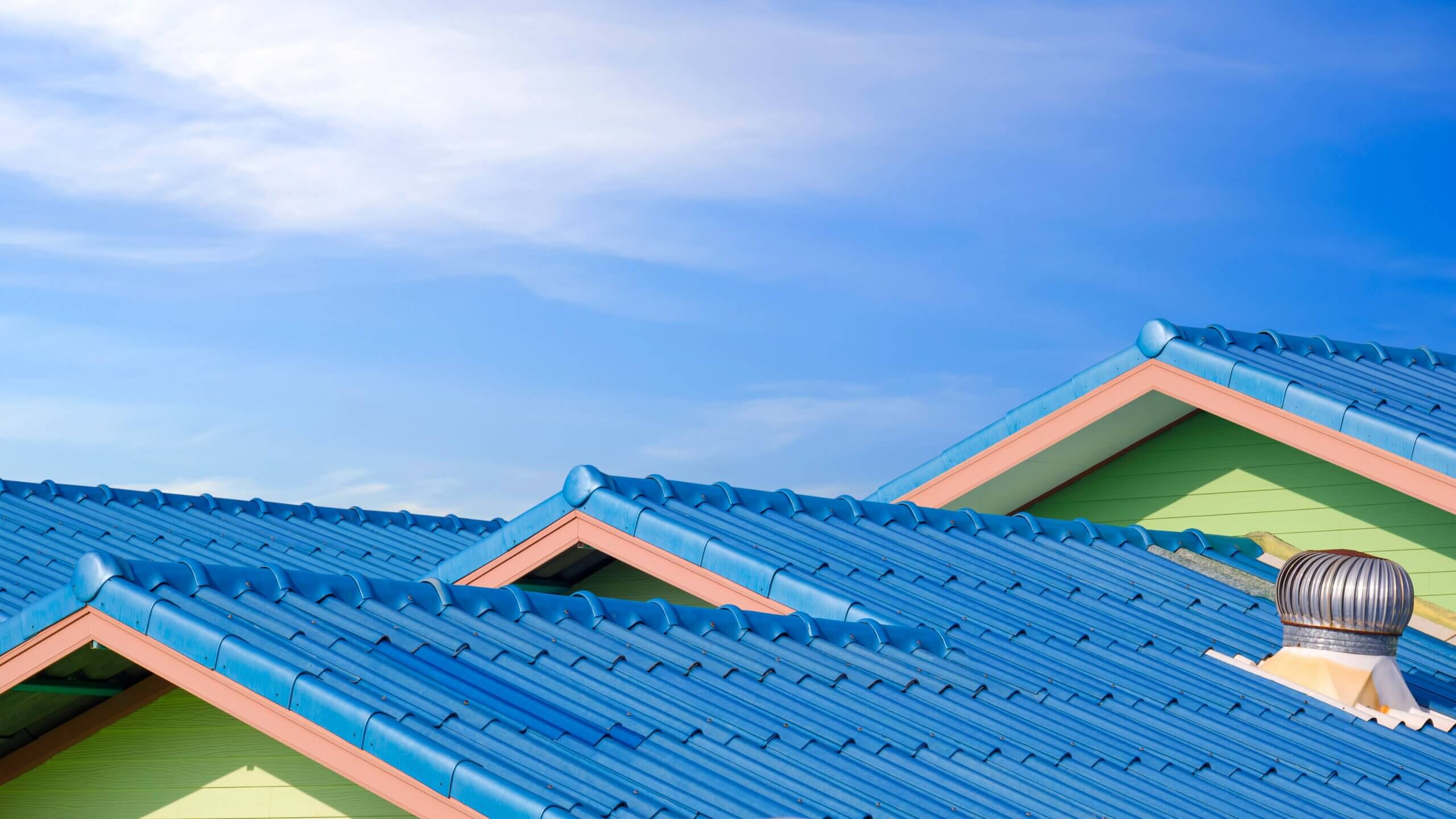
Sustainable Roofing: A Key to Building Greener Cities
As cities expand and populations grow, the pressure on urban environments continues to intensify. Climate change, rising temperatures, and increasing energy demands are pushing architects, builders, and policymakers to rethink how cities are designed and maintained. One often-overlooked yet highly impactful element of sustainable urban development is roofing.
Modern sustainable roofing systems are no longer just about protection from the elements—they are becoming critical tools in reducing carbon footprints, improving energy efficiency, and supporting environmental resilience. Across global architecture news, sustainable roofing is emerging as a central topic in the transition toward greener cities.
Why Roofing Matters in Sustainability
Buildings account for a significant portion of global energy consumption and greenhouse gas emissions. Roofs, being the most exposed part of a structure, directly influence temperature regulation and energy usage.
Traditional roofing materials tend to absorb heat, increasing indoor temperatures and forcing cooling systems to work harder. This contributes to higher energy consumption and intensifies the urban heat island effect, where cities become significantly warmer than surrounding rural areas.
Sustainable roofing solutions aim to counter these issues by improving insulation, reflecting sunlight, and incorporating environmentally friendly materials.
Cool Roof Technology and Energy Efficiency
Cool roofs are designed to reflect more sunlight and absorb less heat compared to conventional roofs. By using reflective coatings or lighter-colored materials, these roofs help maintain lower surface temperatures.
The benefits of cool roofs include:
- Reduced energy bills due to lower cooling demands
- Improved indoor comfort
- Decreased urban heat island effect
- Extended roof lifespan
Cities that adopt cool roofing on a large scale can significantly reduce overall energy consumption, making this technology a simple yet powerful step toward sustainability.
Green Roofs and Urban Biodiversity
Green roofs, also known as living roofs, are transforming urban landscapes by introducing vegetation into built environments. These systems consist of layers of soil, plants, and drainage systems installed on rooftops.
Green roofs provide multiple environmental benefits:
- Improved insulation, reducing heating and cooling needs
- Stormwater management by absorbing rainwater
- Enhanced air quality through natural filtration
- Creation of habitats for birds and insects
In dense urban areas where green space is limited, green roofs offer a practical solution for restoring ecological balance while improving building performance.
Solar Roofing and Renewable Energy Integration
Another major advancement in sustainable roofing is the integration of solar energy systems. Solar panels installed on rooftops allow buildings to generate clean, renewable energy on-site.
This reduces dependence on fossil fuels and lowers electricity costs over time. As solar technology continues to improve, it is becoming more efficient, affordable, and visually adaptable to different architectural styles.
Solar roofing is especially valuable in urban environments, where space is limited and energy demand is high. By utilizing rooftops for energy generation, cities can make better use of existing infrastructure.
Sustainable Materials in Roofing
The choice of materials plays a crucial role in determining the environmental impact of roofing systems. Sustainable materials are typically durable, recyclable, and sourced responsibly.
Common eco-friendly roofing materials include:
- Recycled metal roofing
- Clay and concrete tiles with long lifespans
- Sustainably sourced wood shingles
- Recycled composite materials
These materials reduce waste and minimize the need for frequent replacements, contributing to long-term sustainability.
In addition to roofing, exterior building components also influence energy efficiency. For example, solutions like vinyl siding services Charlottetown PEI can complement sustainable roofing by improving insulation and reducing overall energy loss in residential and commercial buildings.
Stormwater Management and Climate Resilience
With climate change increasing the frequency of extreme weather events, urban flooding has become a major concern. Sustainable roofing systems can play an important role in managing stormwater.
Green roofs absorb rainwater and release it slowly, reducing pressure on drainage systems. Other roofing designs incorporate water collection systems that allow rainwater to be reused for irrigation or other non-potable purposes.
These approaches not only help prevent flooding but also promote more efficient use of natural resources.
Economic and Social Benefits
Sustainable roofing is not just environmentally beneficial—it also offers economic advantages. While the initial cost may be higher, the long-term savings in energy, maintenance, and repairs often outweigh the investment.
Additional benefits include:
- Increased property value
- Eligibility for government incentives and tax credits
- Improved occupant comfort and well-being
As awareness of environmental issues grows, consumers and businesses are increasingly prioritizing sustainable buildings. This trend is driving demand for eco-friendly construction practices, including advanced roofing solutions.
Challenges in Adoption
Despite the clear benefits, implementing sustainable roofing systems poses challenges. These include higher upfront costs, structural requirements, and the need for specialized expertise.
For example, green roofs require careful planning to ensure that buildings can support the additional weight. Solar installations depend on factors such as sunlight exposure and roof orientation.
However, ongoing technological advancements and supportive policies are helping to overcome these barriers, making sustainable roofing more accessible than ever.
The Future of Sustainable Roofing
The future of roofing lies in innovation. Smart roofing systems equipped with sensors and automation are being developed to monitor performance, detect issues, and optimize energy efficiency in real time.
Emerging technologies such as advanced insulation materials, integrated solar tiles, and climate-responsive designs are set to further enhance the sustainability of urban buildings.
As cities continue to evolve, roofing will play an increasingly important role in achieving environmental goals and improving quality of life.
Conclusion
Sustainable roofing is a vital component of modern urban development. By reducing energy consumption, supporting renewable energy, and improving resilience to climate challenges, eco-friendly roofing solutions contribute significantly to the creation of greener cities.
As architects, builders, and policymakers continue to prioritize sustainability, roofing innovations will remain at the forefront of this transformation. Investing in sustainable roofing today is not just a practical decision—it is a necessary step toward building a more sustainable future for generations to come.