

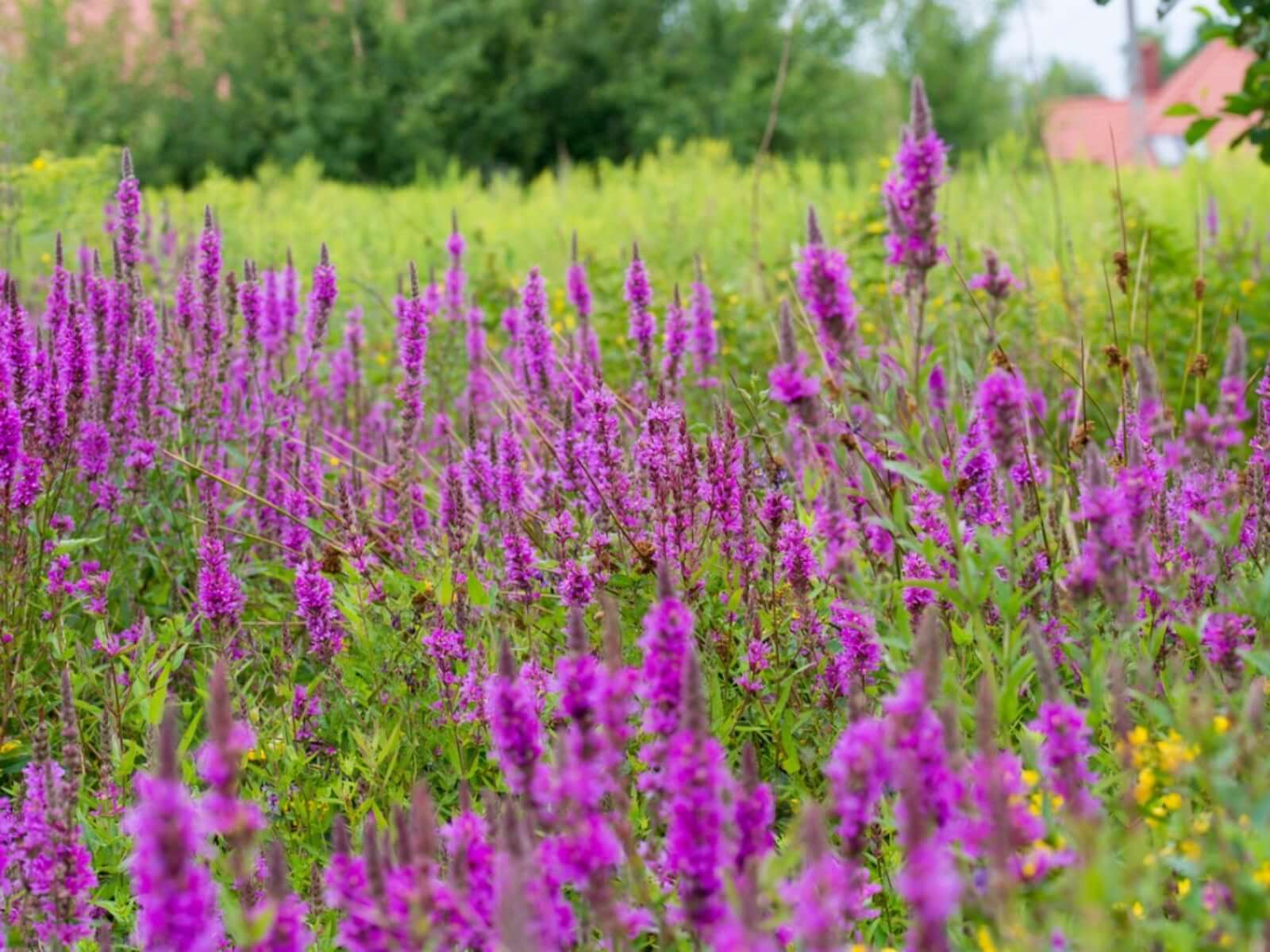
Sustainable Ways to Manage Invasive Species Early
Across cities, wetlands, parks, and working landscapes, early action on invasive species protects native plants and reduces waste from repeated cleanup efforts. Small environmental problems, such as invasive species, can become costly if not addressed early, which is why early management deserves greater focus in land care and policy.
Understanding where to begin is key, and taking the first step can help protect nature’s biodiversity. Here are a few sustainable ways to manage invasive species early.
Spot the Problem Before It Spreads
A few aggressive plants along trails, canals, roadsides, or shorelines often indicate a bigger problem, especially where soil is disturbed or traffic is heavy. Officials, landowners, and volunteers need regular site checks and clear reporting to catch unusual growth before native species are lost. Noticing early signs is only one step; deciding how to respond is just as important.
Do not wait for damage to look obvious; report it to public officials! Waiting often leads to spending more money, using more labor, and disturbing more land than would otherwise be the case.
Choose Targeted Action Over Broad Cleanup
Many cleanup efforts fail because they focus on visible growth instead of the source of the spread. Pulling or cutting plants without a clear plan often leaves roots, seeds, or fragments behind, setting up another round of removal and adding more pressure to the same habitat.
Match the cleanup method to the plant, the season, and the surrounding ecosystem, rather than applying the same fix everywhere. This kind of sustainable vegetation management supports long-term ecosystem health and helps communities avoid wasteful cycles of treatment and regrowth.
Build Follow-Up Into Every Response
Too many projects remove invasive growth once, celebrate a quick win, and then move on, leaving native plants without enough support to reclaim the area.
In contrast, a stronger plan tracks regrowth, checks nearby land for new spread, and restores the site with species suited to local conditions. That follow-up turns short-term control into lasting stewardship, aligning with the broader sustainability goal of protecting resources rather than burning them.
Use Better Tools to Guide the Work
Good decisions depend on good information, and land managers need a clearer view of where invasive growth begins and how far it extends. However, in larger landscapes, field crews often miss scattered patches hidden in marshes, steep terrain, or wide green corridors, which slows response time and allows the problem to spread.
To address this challenge, farmers are now using drones to help combat the spread of invasive species by improving mapping, detecting hard-to-reach infestations, and enabling teams to target work more precisely.
Invasive Species Management Fits a Greener Future
A greener future depends on choices that protect ecosystems before damage spreads. Managing invasive species early saves labor, reduces chemicals, limits habitat disruption, and protects biodiversity.
This issue extends beyond a single park or city, as invasive species affect water systems, agriculture, wildlife habitat, and climate resilience in interconnected ways. The most sustainable response begins with noticing problems sooner, acting with precision, and remaining committed to stewardship so the land can thrive for generations.