


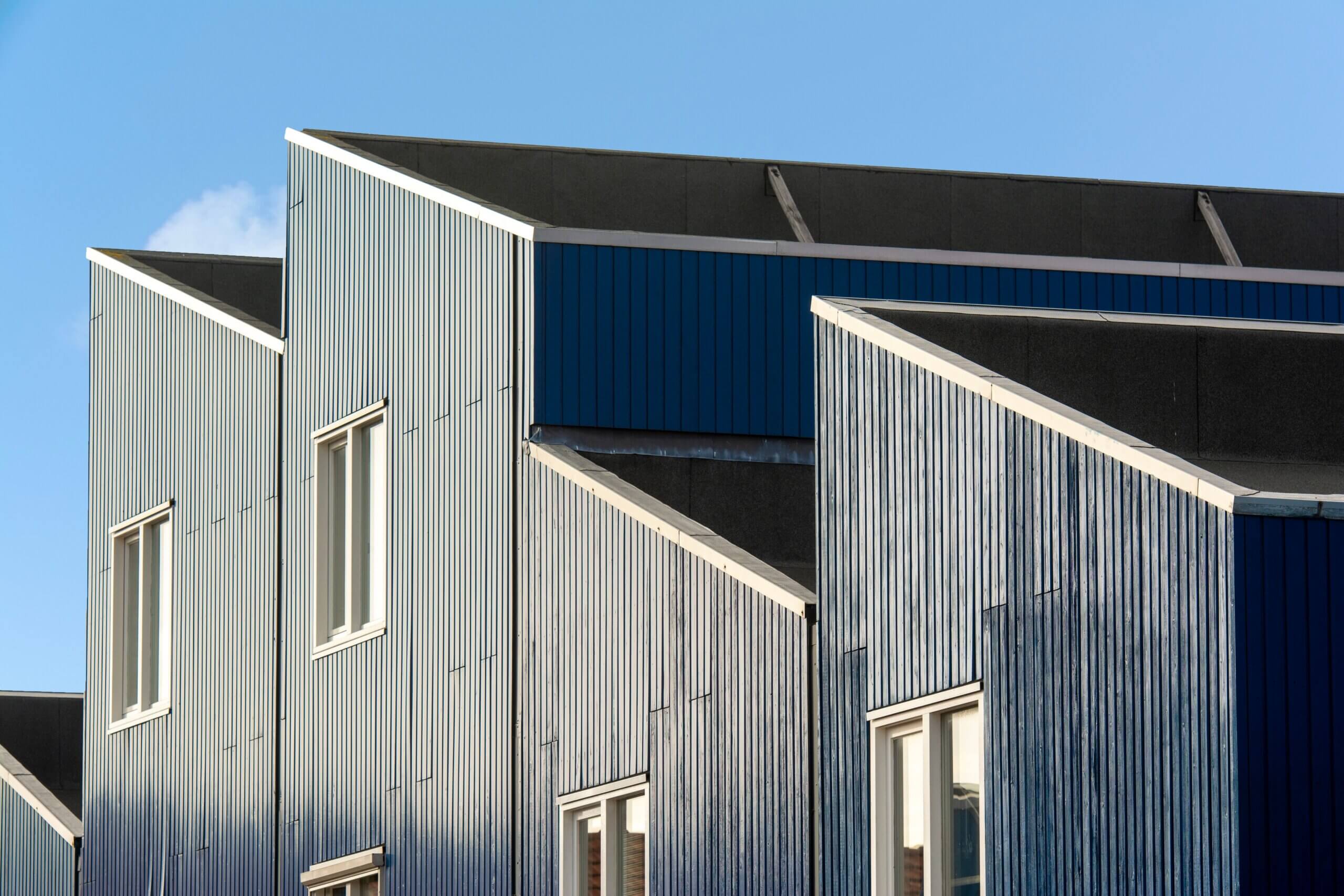
How Better Architectural Cladding Lowers a Building’s Carbon Footprint
When you walk around the town, you probably see multiple buildings with cladding. This exterior cover, so to speak, makes them look distinctive and more aesthetically appealing. Clearly, they also provide weather insulation and help prolong the building’s lifespan.
But what if smarter architectural cladding decisions could go beyond this and actually help cities become more eco-friendly?
Using greener materials and making environmentally friendly decisions can help make architectural cladding a conscious, planet-friendly initiative. They can also avoid unexpected incidents in inclement weather, which has become more frequent in recent years.
Toward Higher Energy Efficiency
The UN Environment Programme’s 2024-25 status report on the construction sector notes that buildings are responsible for approximately 34% of global CO₂ emissions. This covers both the construction phase and ongoing operations. As far as the latter is concerned, heating and cooling the interiors are huge contributors.
Many modern buildings incur significant HVAC system costs to maintain comfortable temperatures year-round. Moreover, we don’t always use devices such as air conditioners optimally. Or we leave the heating on even when the occupancy does not demand it.
Architectural cladding can minimize a building’s heat loss in winter and prevent excessive heat gain in summer. That way, the dependency on HVAC systems will also be lower. This insulation effect of cladding makes it an excellent solution for making a building greener from within.
Indeed, cladding can also facilitate more air movement. When you use a ventilated facade, you can prevent the building from overheating. This reduces cooling expenses. That’s more money in the pocket, you can channel toward growth-focused goals for developers and the community.
Longer-Lasting, Recyclable Materials
Construction and architecture professionals conventionally select standard materials for cladding. Brick and concrete. Or stone.
Brick has especially stood the test of time in the built environment. Some professionals feel that it can blend smoothly into the surroundings. This allows builders to provide the contrast and rhythm they need.
However, many traditional materials may not necessarily be gentle on the environment. Some research teams have been trying to make eco-friendly bricks using buffing dust waste. Commercial availability? That will likely take time.
Aluminum has emerged as an eco-friendly choice, primarily due to its full recyclability. ACM panels made from Aluminum Composite Materials are worth considering for architectural cladding and facades. They are resistant to corrosion and less susceptible to bending.
What makes aluminum particularly beneficial from a carbon footprint perspective is its durability. As Phoenix Metals notes, these materials are low-maintenance and only need very basic detergent-based cleaning. This helps the cladding last longer, reducing the need for frequent replacements.
A good way to select the best material for your needs is to evaluate its characteristics and value for money. For example, some projects now use recycled timber or bamboo. They can cut your carbon footprint, yes. However, they may not fit the priorities of every project. Some of these materials require regular maintenance and inspection.
Reducing Retrofitting Costs
Another strategic way cladding can be eco-friendly is by supporting retrofit projects.
What is making these endeavors popular? It could be our desire to strengthen a building or improve the overall performance without a complete overhaul. The upgrades can be diverse. From solar panels for energy efficiency to structural modifications for earthquake resistance, you name it.
The advantage of cladding is that it opens a route for such upgrades without extensive demolition. This will meet the required project goals in far less time and with fewer resources. This can deliver excellent advantages in environmental friendliness and sustainability.
A 2026 study in Results in Engineering found that optimal retrofit scenarios can achieve 47% reduction in heating energy use. They can also lead to more than 30% reduction in energy use for cooling. Both are splendid improvements over the baseline scenarios.
FAQs
1. How can green architectural cladding reduce a building’s carbon footprint?
Architectural cladding can do this by improving thermal insulation. It reduces heat loss during winter and limits heat gain in summer. This minimizes the building’s net demand for heating and cooling systems. When your energy consumption is lower, so are the associated carbon emissions.
2. Are aluminum panels really an environmentally friendly cladding option?
Yes. Aluminum panels are durable and corrosion-resistant. They are also fully recyclable. Their long lifespan and low maintenance requirements lower the need for frequent replacements. Plus, you can minimize material waste and the environmental impact of building upkeep.
3. Can cladding facilitate building retrofits?
Absolutely. You can install cladding systems as part of retrofit projects to enhance energy efficiency and all-weather resistance. This enhances your building’s overall performance without extensive demolition. The approach also conserves resources and reduces construction waste.
Architectural Cladding to the Planet’s Rescue
| Global CO₂ emissions from buildings | 34% of global emissions |
| Heating energy reduction through optimal retrofits | Up to 47% |
| Façades’ share of embodied carbon | Up to 20% of the embodied carbon in a building |
| Aluminum recyclability | 100% recyclable |
Lowering Carbon Footprint, One Cladding at a Time
Thanks to its favorable properties for extending insulation and energy efficiency, architectural cladding is now becoming a fixture in present-day buildings. Its role in interfacing between indoor and outdoor climates is vital.
These buildings are more robust against adverse weather conditions and help address specific requirements related to acoustics or fire safety. Properly chosen cladding can also make a building greener and smarter.
And yet, although cladding as a concept is game-changing, poor choices can affect a building’s carbon footprint (quite disproportionately). A Gensler industry estimate finds that façades can account for 20% of a building’s total embodied carbon. This embodied carbon will become increasingly relevant as we work to reduce the environmental impact of buildings.
“Over the next 25 years, more than half of the emissions from new buildings will come from the materials that make up a building, rather than its operations. Once these emissions are released into the atmosphere, there is no reducing them later on.” – Dharma Santos-Santiago and Mikhail Haramati, Natural Resources Defense Council.
Since many buildings employ a combination of custom components with distinct carbon footprints, the overall complexity of the assessment is higher. Additional research will help stakeholders in this field to develop more accurate systems to assess their impact with conviction.
But for now, making decisions that cut the carbon footprint of buildings is a key responsibility for developers and architects. It seems the only sustainable approach in the face of climate change, which worsens every year.