


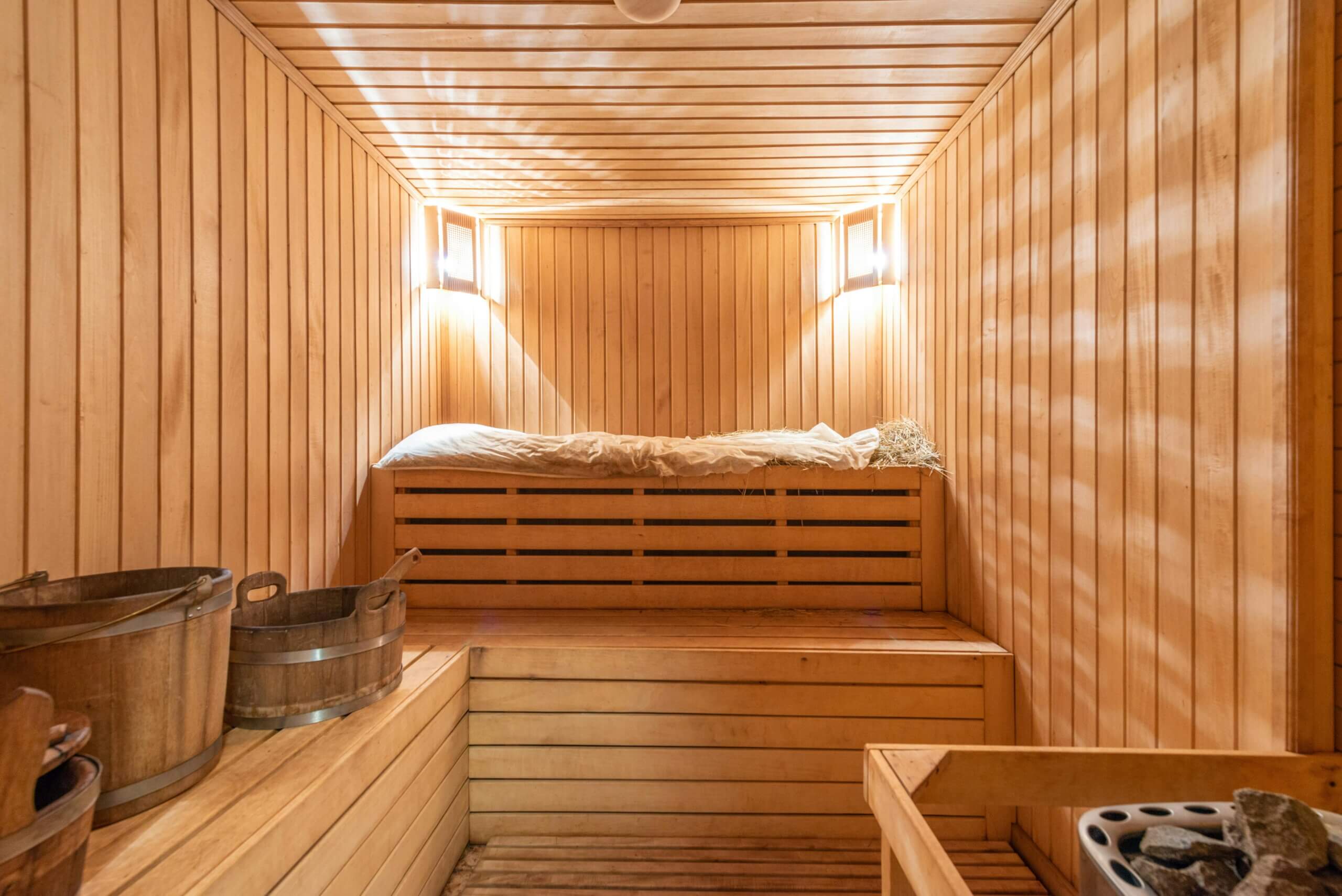
How Much Solar Is Required to Power a Sauna
You love the idea of stepping into the warmth of your sauna knowing it’s powered by the sun.
No fossil fuels.
No rising utility bills.
Just clean, renewable energy turning into restorative heat.
But then the practical question hits you: How much solar is actually required to power a sauna?
The answer depends on a few important variables, the type of sauna, the heater size, how often you use it, and how your solar system is designed. Once you understand the numbers, you can determine whether your current system can handle it or if you need to expand your solar capacity.
Let’s break it down clearly and realistically.
Step One: Understand How Much Power a Sauna Uses
Saunas are essentially high-powered heaters inside insulated rooms. And heaters draw significant electricity.
Traditional Electric Sauna
A standard electric sauna heater typically ranges between:
- 4.5 kW for a small 1–2 person unit
- 6 kW to 8 kW for mid-size saunas
- 9 kW or more for larger models
If you run a 6 kW heater for one hour, it uses 6 kilowatt-hours (kWh) of electricity.
That’s roughly equivalent to running:
- A clothes dryer for an hour
- Several window AC units simultaneously
Traditional saunas heat the air to high temperatures, often between 170°F and 190°F, and consume more power during the initial warm-up phase.
Infrared Sauna
Infrared models typically use less energy:
- 1.2 kW to 2 kW for smaller units
- 2 kW to 3 kW for larger cabins
They operate at lower temperatures and heat the body directly rather than the air. If you’re powering an indoor sauna with solar, infrared units require significantly less electricity.
Step Two: Calculate Weekly Usage
Now think about how often you’ll use your sauna.
If you run a 6 kW traditional sauna:
- 3 times per week
- 1 hour per session
That’s 18 kWh per week.
Over a month, you’re looking at roughly 72 kWh.
For comparison, the average U.S. household uses around 900 to 1,000 kWh per month. So a sauna could add about 7–8 percent to your monthly electricity usage.
An infrared sauna used at 2 kW for the same frequency would consume about 24 kWh per month, much lower impact.
The type of sauna you choose dramatically affects your solar requirements.
Step Three: How Much Solar Production Is Needed?
Solar panel output depends on:
- Panel wattage
- Sunlight hours in your region
- System efficiency
A common residential solar panel produces about 400 watts under optimal conditions.
If you receive 5 peak sun hours per day, one panel produces about:
400 watts × 5 hours = 2 kWh per day
To offset a traditional sauna using 72 kWh per month, you’d need roughly:
72 kWh ÷ (2 kWh per panel per day × 30 days) ≈ 1.2 panels
In practical terms, adding 2 additional solar panels would comfortably offset a moderate-use traditional sauna.
For an infrared sauna using 24 kWh per month, even one panel could handle the additional load.
Of course, these are simplified estimates. Real-world performance varies based on roof orientation, shading, and climate.
Step Four: Grid-Tied vs. Off-Grid Systems
If your home uses a grid-tied solar system, things are straightforward.
You generate solar energy during the day.
Excess production goes back to the grid.
You draw power when needed, including sauna sessions.
As long as your total annual solar production matches or exceeds your consumption, your sauna can effectively run on solar power.
Off-grid systems are more complex.
Because sauna heaters draw high wattage, you must ensure:
- Your inverter can handle the load
- Your battery storage supports the heater’s draw
- You have sufficient surplus solar generation
Traditional electric saunas may require significant battery capacity if you plan to use them after sunset. Infrared models are easier to integrate into off-grid systems due to lower energy demands.
Step Five: Seasonal Considerations
Solar output fluctuates seasonally.
Winter months often bring:
- Shorter daylight hours
- Lower solar production
- Increased heating needs overall
Ironically, winter is when you’re most likely to use your sauna more frequently.
If your solar system barely meets your annual average usage, adding a sauna could tip you into higher grid reliance during colder months.
A slightly oversized solar system provides more flexibility and resilience.
Is Solar Powering a Sauna Sustainable?
Yes, especially when paired with energy-efficient sauna design.
To maximize sustainability:
- Choose well-insulated sauna construction
- Opt for infrared models if energy efficiency is a priority
- Use timers to prevent overuse
- Avoid unnecessary preheating
Proper insulation reduces warm-up time and energy waste. Efficient design matters just as much as solar capacity.
When thoughtfully planned, powering a sauna with solar aligns beautifully with clean energy goals.
Cost Comparison: Solar vs. Utility Electricity
Let’s consider the financial side.
If electricity costs $0.15 per kWh:
A traditional sauna using 72 kWh per month costs about $10.80 monthly.
An infrared sauna at 24 kWh costs around $3.60 monthly.
While these numbers aren’t dramatic, over years of ownership, solar offsetting eliminates those recurring expenses, especially as utility rates rise.
More importantly, you’re reducing carbon emissions associated with grid electricity.
The Environmental Impact
Saunas are wellness tools. Solar energy enhances that wellness by reducing environmental harm.
Electric sauna heaters powered by fossil-fuel-heavy grids contribute to carbon emissions. Pairing your sauna with renewable energy closes that loop.
You’re investing in:
- Personal health
- Energy independence
- Lower lifetime emissions
And that combination feels aligned.
Practical Planning Checklist
If you’re considering solar for your sauna, ask yourself:
- What type of sauna do I want?
• How often will I realistically use it?
• Does my current solar system have surplus capacity?
• Will I need additional panels or battery storage?
• Do I use most of my sauna sessions during daylight hours?
Answering these questions makes the math manageable.
So, How Much Solar Is Required?
For most homeowners:
- One to two additional panels can offset moderate sauna use
- Infrared saunas require significantly less solar capacity
- Traditional 6–8 kW heaters may need modest system expansion
The good news? Saunas are energy-intensive appliances, but they’re not insurmountable additions to residential solar systems.
With smart planning, your sauna sessions can run on sunshine.
And when you step into that warm, restorative space, knowing the heat is powered by renewable energy, the experience feels even better. Because sustainability isn’t just about the grid. It’s about aligning your lifestyle with the future you want to build.