

The Role of Advanced Cutting Systems in Reducing Construction Waste
Construction waste is one of the industry’s biggest hidden challenges. Globally, the construction sector generates over 2 billion tonnes of waste every year, making it one of the largest contributors to waste streams. In fact, construction and demolition activities account for around 30–40% of total solid waste worldwide.
That’s not just an environmental issue—it is a financial one, too. Every miscut, every excess slab, and every discarded material adds to project costs. As sustainability becomes a priority and margins tighten, construction companies are increasingly turning to smarter solutions.
One of the most impactful shifts? The adoption of advanced cutting systems that reduce waste right at the source—before it even becomes a problem. That said, let’s understand the role of advanced cutting systems in reducing overall construction waste!
1. Precision Cutting Minimizes Material Loss from the Start
Traditional cutting methods often rely on manual measurements or less precise machinery, leading to errors, rework, and unnecessary material wastage. Even small inaccuracies can compound across large-scale projects.
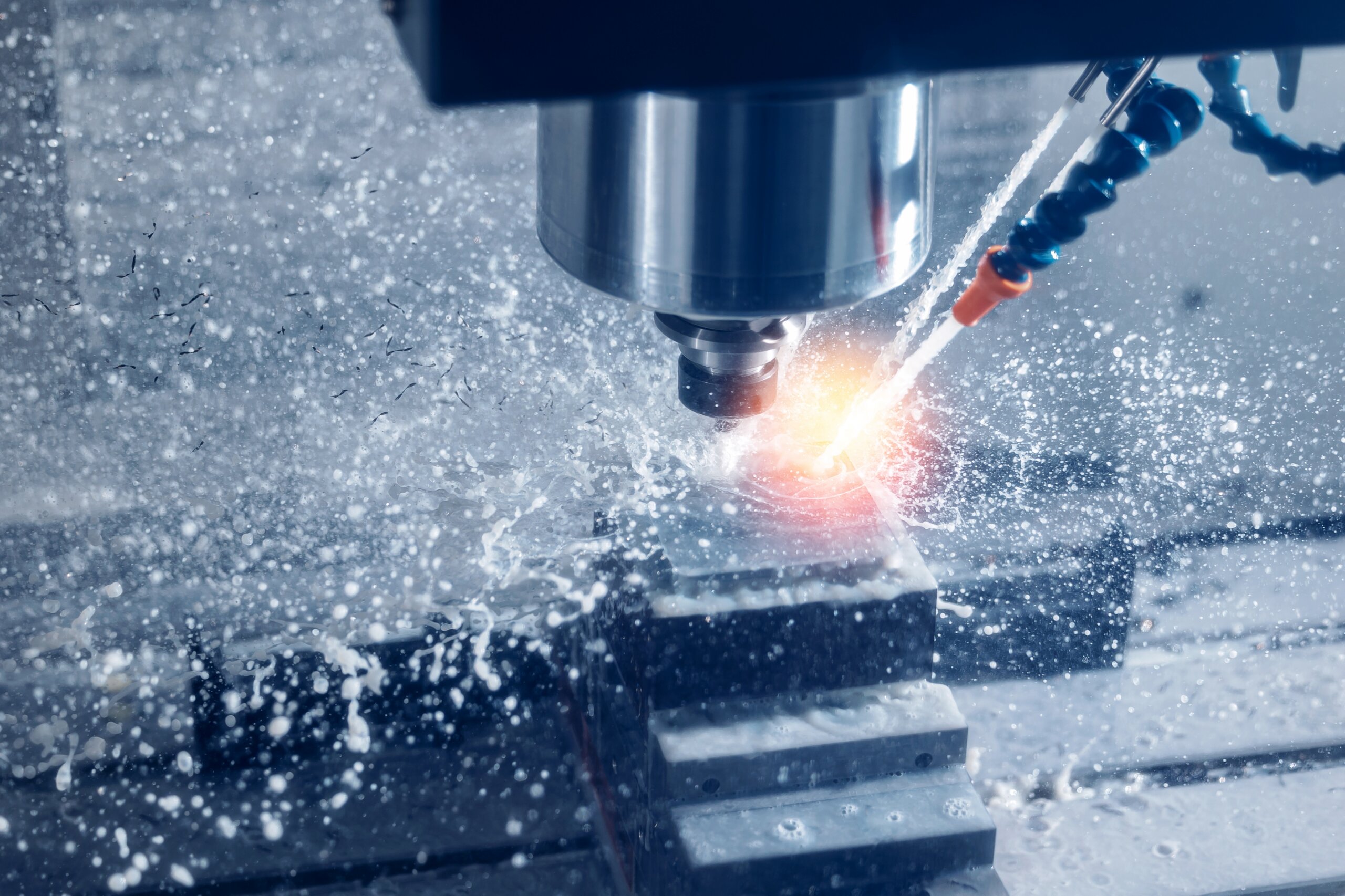
Advanced cutting systems, however, are designed for extreme precision. Technologies like CNC-controlled tools and high-pressure cutting systems allow materials to be shaped exactly as required—no excess, no guesswork.
This precision brings multiple benefits:
- Reduced offcuts and scrap materials.
- Fewer measurement errors during fabrication.
- Better utilization of expensive materials like stone, metal, or composites.
For example, using a modern water jet machine allows contractors to cut complex shapes with near-zero material distortion. Unlike traditional cutting methods, it doesn’t generate heat, which means there’s no warping or damage, resulting in more usable output from the same raw material.
This is exactly where reliable companies like OMAX Corp, a Hypertherm Company, bring real value to the table. Their advanced waterjet systems are specifically designed for high-precision, cold-cutting applications, helping construction teams achieve cleaner cuts while significantly reducing material waste right from the start.
Over time, this level of accuracy doesn’t just improve efficiency—it directly lowers the total volume of waste generated on-site.
2. Advanced Systems Reduce Rework and Human Error
One of the biggest contributors to construction waste is rework—fixing mistakes that could have been avoided in the first place. According to industry insights, construction costs increase due to rework.
Manual cutting processes are especially prone to:
- Measurement inconsistencies.
- Alignment issues.
- Material damage during cutting.
Advanced cutting systems eliminate much of this risk through automation and digital integration. Once a design is programmed, the system executes it with consistent accuracy every time. This leads to:
- Fewer rejected components.
- Reduced need for replacements.
- Lower material wastage due to mistakes.
In simple terms, when you get it right the first time, you don’t have to throw anything away later.
3. Efficient Material Optimization Through Smart Design Integration
Modern cutting technologies don’t work in isolation—they integrate with design software like CAD and BIM systems. This allows construction teams to optimize material usage even before cutting begins.
Here’s how it helps:
- Nesting techniques arrange multiple parts within a single material sheet to minimize unused space.
- Digital simulations predict waste generation before actual production.
- Automated adjustments ensure maximum yield from each material batch.
This level of planning is crucial because construction consumes over 40% of global raw materials. When cutting systems are aligned with intelligent design tools, companies can significantly reduce the amount of raw material they need in the first place.
4. Versatility Across Materials Reduces Disposal Needs
Construction projects involve a wide range of materials—concrete, steel, glass, tiles, composites, and more. Traditional cutting tools often require different machines for different materials, increasing complexity and waste.
Advanced systems like water-based or laser cutting technologies are highly versatile. A single system can handle multiple materials with minimal adjustments.
This versatility leads to:
- Cleaner cuts across different materials.
- Reduced material damage during processing.
- Lower chances of discarding partially damaged components.
All in all, instead of discarding damaged pieces, more materials remain usable—directly reducing landfill contributions.
Final Thoughts
Construction waste is a massive global issue—but it’s also a solvable one. While regulations, recycling, and waste management systems are important, the real impact begins much earlier—at the point where materials are first cut and shaped.
Advanced cutting systems are transforming this stage by introducing precision, efficiency, and intelligence into the process. Whether it’s minimizing offcuts, reducing rework, or enabling better material planning, these technologies are helping the industry move toward a more sustainable future.
And as projects grow more complex and resource-intensive, adopting smarter tools isn’t just a technological upgrade—it’s a strategic decision. One that reduces waste, saves costs, and aligns construction practices with the demands of a more sustainable world.