

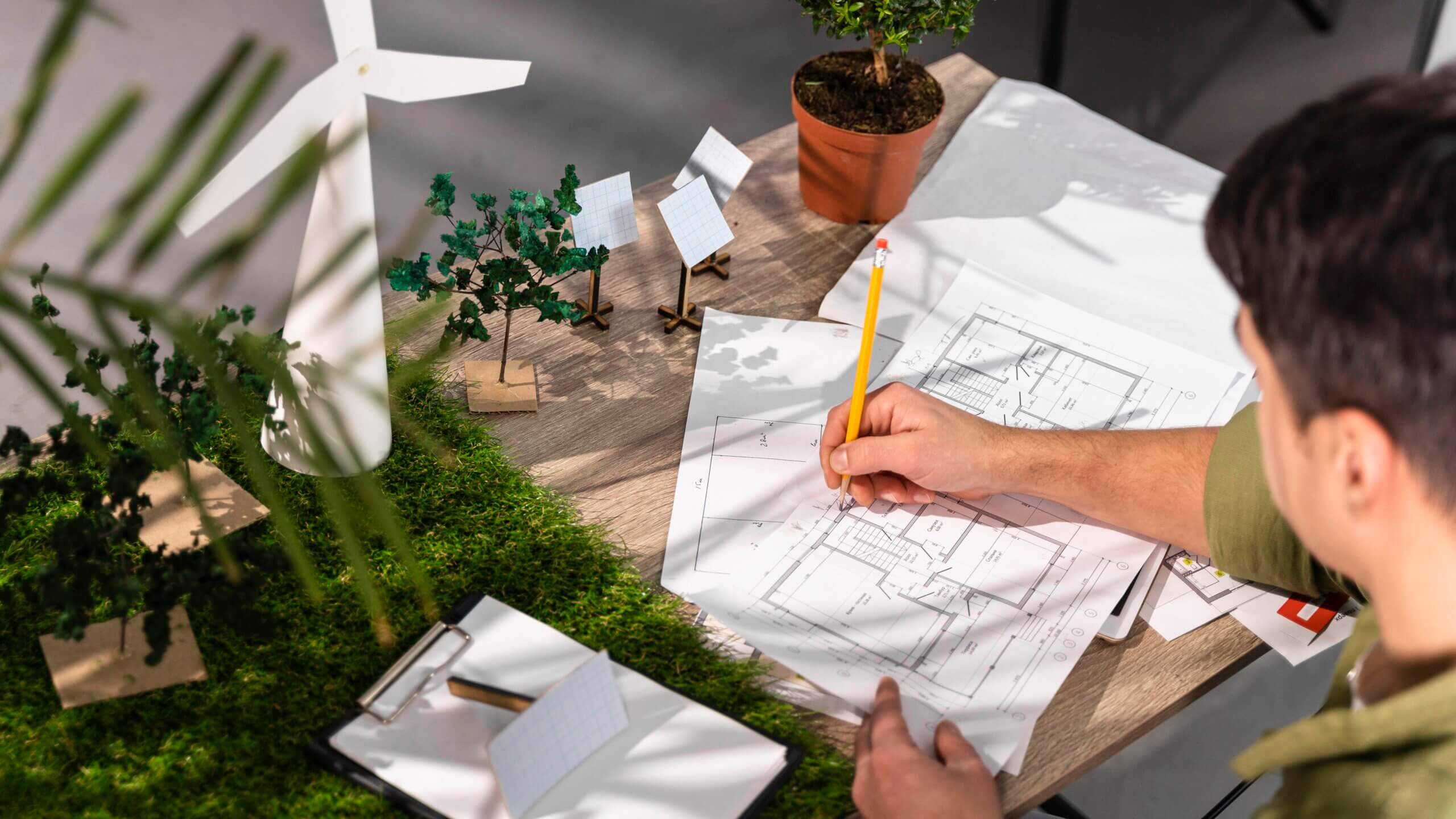
Building the Future: Sustainable Home Construction for a Greener Tomorrow
In recent years, sustainability has evolved from a trend into a necessity, especially in the construction industry. As climate change continues to reshape how we live, homeowners and builders alike are looking for new ways to create environmentally friendly, efficient, and durable homes.
The concept of sustainable home construction goes beyond mere energy efficiency—it integrates design, materials, and practices that reduce environmental impact while improving the quality of life for residents.
This article explores in depth how sustainability and recycling play pivotal roles in modern home construction and how innovative approaches are redefining what it means to build for the future.
1. Understanding Sustainable Home Construction
Sustainable home construction refers to building homes that are designed and constructed using methods, materials, and technologies that minimize their environmental footprint. The ultimate goal is to create buildings that use fewer natural resources, generate less waste, and last longer while maintaining comfort and aesthetic value.
Core Principles of Sustainable Construction:
- Energy Efficiency: Designing homes that consume less power through smart insulation, passive design, and renewable energy systems.
- Water Conservation: Utilizing systems that reduce water usage and promote recycling, such as greywater reuse and rainwater harvesting.
- Eco-Friendly Materials: Choosing materials that are renewable, recycled, or sustainably sourced.
- Healthy Indoor Environment: Using non-toxic paints, finishes, and ventilation systems to improve air quality.
- Durability and Longevity: Building structures that withstand time and natural elements, reducing the need for frequent replacements or renovations.
These principles form the foundation of a sustainable home that not only benefits the environment but also reduces operating costs and enhances the homeowner’s well-being.
2. The Role of Recycling in Sustainable Construction
Recycling is one of the most impactful strategies in sustainable building. It involves reusing materials that would otherwise end up as waste. The construction industry generates millions of tons of debris annually, but much of it—concrete, metal, wood, glass, and plastic—can be repurposed.
Key Recycled Materials in Construction:
- Recycled Concrete: Crushed concrete can be reused as aggregate for new concrete or road bases, reducing the need for virgin materials.
- Reclaimed Wood: Salvaged wood from old structures can be used for flooring, furniture, or wall panels. It adds character and reduces deforestation.
- Recycled Steel: Steel can be melted down and reused without losing its strength, making it ideal for structural frames.
- Recycled Glass and Plastic: Glass can be transformed into tiles or insulation, while recycled plastics can be turned into composite decking or piping.
- Gypsum from Old Drywall: This can be reused for making new drywall or as a soil amendment in landscaping.
Benefits of Using Recycled Materials:
- Reduces landfill waste and pollution.
- Conserves natural resources by minimizing extraction.
- Lowers construction costs due to reduced raw material demand.
- Supports local recycling industries, promoting a circular economy.
Builders like Naples home builders are increasingly incorporating recycled and reclaimed materials into their designs to meet growing consumer demand for eco-conscious homes. This approach not only enhances sustainability but also gives homes a unique and modern aesthetic.
3. Energy Efficiency: The Cornerstone of Sustainability
Energy efficiency lies at the heart of sustainable home construction. Buildings are responsible for a significant portion of global energy consumption and greenhouse gas emissions. Reducing this footprint requires both smart design and advanced technology.
Energy-Efficient Building Strategies:
- Passive Solar Design: Orienting a home to maximize sunlight in the winter and minimize heat gain in the summer.
- Insulation and Air Sealing: Proper insulation reduces energy loss, while airtight construction prevents drafts and moisture problems.
- Energy-Efficient Windows: Double or triple-glazed windows with low-E coatings improve thermal performance.
- LED Lighting and Smart Controls: Modern lighting solutions consume less energy and can be automated for convenience.
- Renewable Energy Sources: Solar panels, geothermal systems, and wind turbines can supply clean, renewable power to homes.
Benefits for Homeowners:
Energy-efficient homes not only reduce carbon emissions but also lower utility bills, enhance comfort, and increase property value. Over time, the investment in green technologies pays for itself through long-term savings.
4. Sustainable Materials and Their Importance
Choosing the right materials is crucial in achieving sustainability. Every material used in a home—from bricks and insulation to paint and flooring—has an environmental impact, known as its embodied energy (the total energy required to produce and transport it).
Common Sustainable Building Materials:
- Bamboo: A fast-growing renewable resource, bamboo is a strong alternative to wood.
- Cork: Harvested from tree bark without harming the tree, cork is perfect for flooring and insulation.
- Rammed Earth: This ancient building technique uses natural soil, offering durability and thermal mass benefits.
- Recycled Metal: Reduces the demand for mining and manufacturing.
- Hempcrete: Made from hemp fibers and lime, this lightweight material provides excellent insulation.
- Low-VOC Paints: These paints minimize indoor air pollution, promoting healthier living spaces.
By using sustainable materials, builders reduce the carbon footprint of construction while ensuring homes are durable and energy-efficient.
5. Water Conservation and Smart Systems
Water scarcity is a growing concern worldwide, making efficient water use a key part of sustainable building. Modern homes integrate systems that minimize water waste and promote recycling.
Innovative Water-Saving Solutions:
- Low-Flow Fixtures: Faucets, showerheads, and toilets designed to reduce water usage without sacrificing performance.
- Greywater Recycling: Systems that reuse water from sinks and showers for landscape irrigation or toilet flushing.
- Rainwater Harvesting: Collecting and storing rainwater for household use or irrigation.
- Smart Irrigation: Sensors that monitor soil moisture and weather to optimize watering schedules.
By adopting these systems, sustainable homes not only conserve water but also reduce utility costs and environmental strain.
6. Indoor Environmental Quality
Sustainability is not just about protecting the planet; it’s also about creating healthier spaces for people. Poor indoor air quality can lead to health problems like allergies, headaches, and fatigue. Sustainable construction focuses on improving the indoor environment through design and material selection.
Strategies for Better Indoor Air Quality:
- Ventilation Systems: Mechanical ventilation ensures fresh air circulation.
- Non-Toxic Finishes: Using low-VOC paints, adhesives, and sealants prevents harmful emissions.
- Moisture Control: Proper insulation and vapor barriers reduce mold growth.
- Natural Lighting: Incorporating skylights and large windows reduces dependence on artificial lighting while improving well-being.
These steps not only enhance comfort but also align with the holistic principles of sustainability.
7. Waste Reduction During Construction
A large portion of a home’s environmental impact occurs during construction. Sustainable builders strive to minimize waste through careful planning and resource management.
Waste-Reduction Practices:
- Prefabrication: Off-site construction reduces waste and improves quality control.
- Material Optimization: Using precise measurements and modular components prevents excess cutting and scrap.
- On-Site Recycling: Sorting materials like wood, concrete, and metal for recycling instead of disposal.
- Deconstruction Instead of Demolition: Salvaging reusable materials from existing buildings before tearing them down.
Reducing waste at every stage ensures that the environmental benefits of sustainability extend beyond the finished home.
8. Smart Technology and Sustainable Living
Modern sustainability also embraces smart home technologies that enhance efficiency and convenience.
Examples of Smart Sustainability:
- Energy Monitoring Systems: Track real-time energy consumption to help homeowners identify inefficiencies.
- Smart Thermostats: Automatically adjust temperature based on occupancy and weather.
- Automated Lighting: Sensors that turn off lights when rooms are unoccupied.
- Water Leak Detectors: Prevent waste and damage by alerting homeowners early.
Technology empowers homeowners to manage energy and water use more intelligently, creating homes that are both green and high-performing.
9. The Future of Sustainable Home Construction
The future of construction is undoubtedly green. As governments, industries, and consumers continue to prioritize sustainability, innovations are emerging at a rapid pace. 3D-printed homes using recycled materials, carbon-neutral cement, and modular housing are already changing the landscape.
Builders who invest in sustainable techniques today are not only protecting the planet but also positioning themselves for long-term success. Homeowners are increasingly drawn to eco-friendly properties, making sustainability a strong market differentiator.
Conclusion: Building Responsibly for a Better Tomorrow
Sustainable home construction represents a transformative shift in how we think about building and living. From recycled materials and renewable energy to water conservation and smart technology, every component contributes to a cleaner, more resilient world.
Embracing sustainability isn’t just an environmental choice—it’s an economic and ethical one. Builders, architects, and homeowners all play a vital role in shaping a greener future. Whether you’re designing a new residence or renovating an existing one, integrating sustainable practices ensures that your home stands the test of time—both structurally and environmentally.
For those looking to build eco-friendly, modern residences, Goyaldevelopment.com stands as a trusted name in innovative and sustainable home construction. Their commitment to quality, green building techniques, and cutting-edge design makes them an ideal partner in shaping homes for a sustainable tomorrow.