


Sustainable Apparel Production: How Modern DTF Printing Supports Efficient Manufacturing
Sustainability in the apparel industry is no longer limited to fabric sourcing and ethical labor practices. Production efficiency, waste reduction, and equipment longevity are increasingly important components of environmentally responsible operations.
As garment decoration evolves, Direct-to-Film (DTF) printing has emerged as one of the more adaptable and efficient technologies available to small and mid-sized print businesses. When paired with optimized workflows, modern DTF systems can significantly reduce material waste while improving operational consistency.
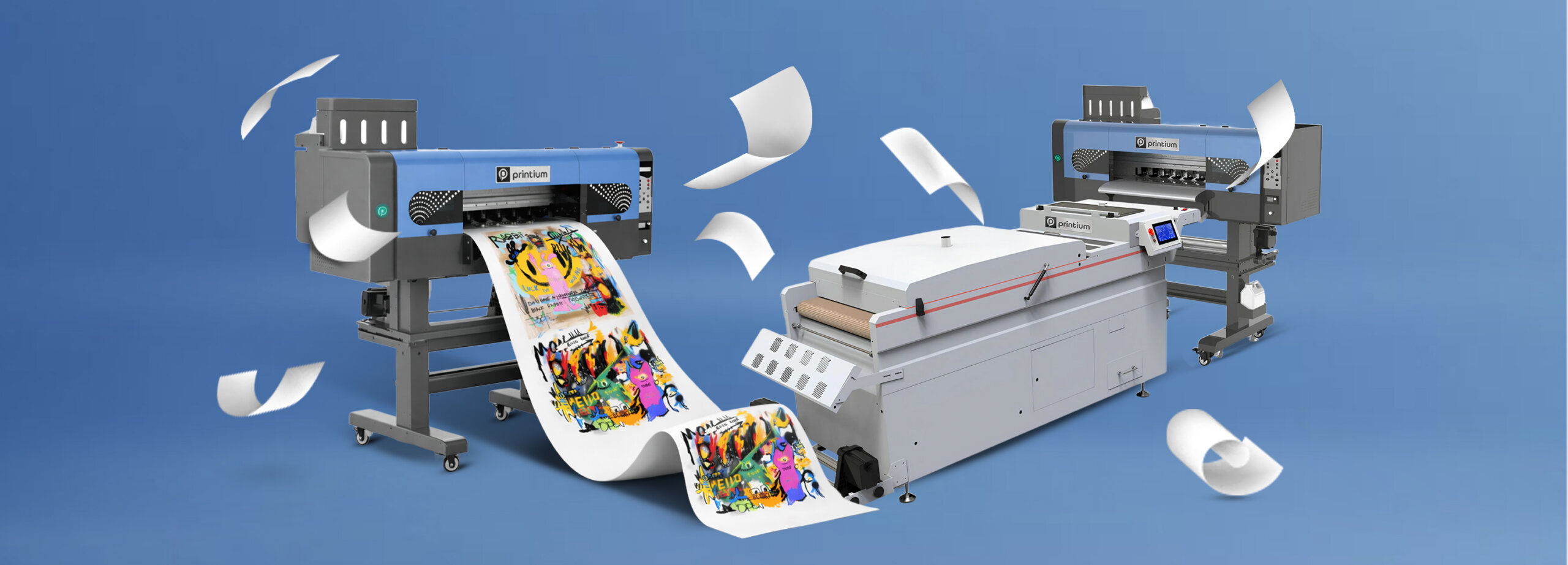
For businesses seeking scalable yet responsible production models, investing in a reliable commercial DTF printer system is becoming an important strategic decision.
Reducing Waste Through Efficient Printing Technology
Traditional screen printing can generate excess ink waste, chemical runoff, and unused inventory due to high minimum order quantities. While it remains effective for very large runs, it is less flexible for short production cycles or custom orders.
DTF printing reduces these inefficiencies by:
- Eliminating screen preparation
- Supporting small-batch runs
- Allowing on-demand production
- Reducing overproduction
This flexibility supports more sustainable inventory management practices.
When combined with optimized curing and heat pressing processes, DTF production can significantly lower material waste compared to older systems.
The Efficiency of Multi-Head Configurations
Production sustainability is not only about materials — it is also about energy efficiency and machine longevity. A properly designed 4 head DTF printer increases throughput while reducing repetitive cycles that strain components.
Multi-head architecture improves:
- Print speed
- Ink distribution accuracy
- White underbase consistency
- Production stability during long runs
Higher efficiency means fewer reprints, fewer rejected garments, and more predictable output — all of which contribute to sustainable operations.
Supporting Local Manufacturing
Local production reduces the environmental impact associated with international shipping and mass outsourcing. Many U.S.-based apparel businesses are choosing to keep production closer to their customers.
Commercial-grade DTF systems allow small production facilities to handle larger volumes without expanding physical footprint excessively. Reliable equipment providers such as DTF Bank support scalable operations designed for consistent daily use.
By strengthening local manufacturing capabilities, modern printing systems contribute indirectly to broader sustainability goals.
Sustainable Growth for Apparel Entrepreneurs
Entrepreneurs building apparel brands today must balance:
- Profitability
- Production efficiency
- Environmental responsibility
- Customer expectations
Adopting efficient printing infrastructure allows businesses to grow responsibly without compromising output quality.
Modern DTF technology provides a path toward:
- Reduced overproduction
- Better resource allocation
- Improved workflow management
- Scalable growth models
Sustainability in apparel manufacturing increasingly depends on operational intelligence as much as material choices.
Operational Stability and Long-Term Impact
Sustainable production also involves extending equipment lifespan and reducing downtime. Advanced DTF systems designed for commercial use include improved white ink circulation, stable print head configurations, and durable mechanical structures.
These features:
- Minimize maintenance disruptions
- Reduce component replacement frequency
- Lower operational waste
- Improve overall machine efficiency
When equipment operates reliably, businesses reduce both environmental and financial strain.
Conclusion
As sustainability becomes a defining factor in modern manufacturing, apparel businesses are rethinking how they produce garments. Efficient, scalable printing technology plays a central role in this shift.
DTF printing systems — particularly commercial-grade, multi-head configurations — provide a pathway to balancing production growth with operational responsibility.
By investing in reliable and efficient infrastructure, apparel entrepreneurs can support both business expansion and sustainable practices in the evolving garment industry.