

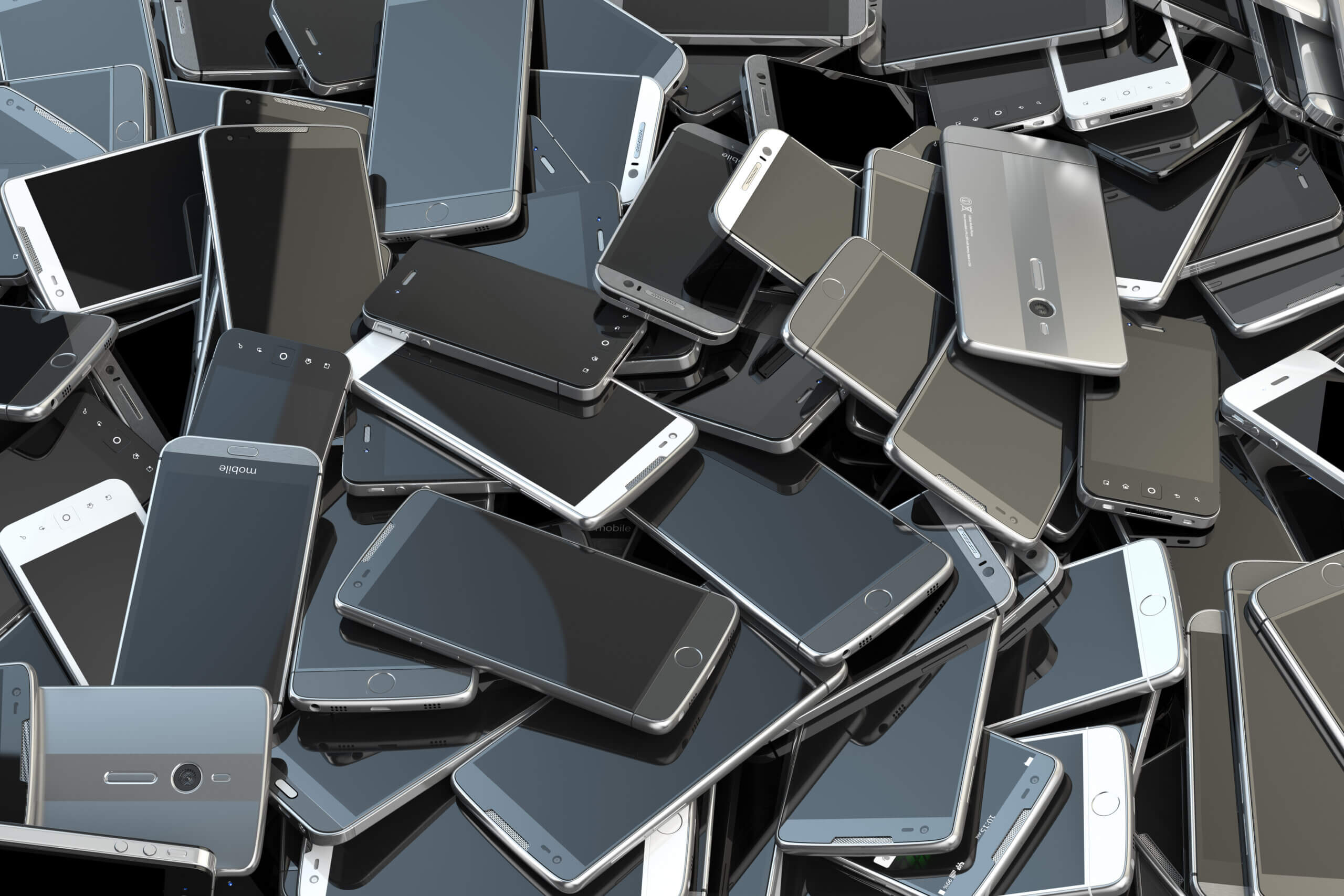
Cell Phone Recycling: What Happens to Your Old Phone and Why It Matters
Most people have at least one old phone sitting in a drawer somewhere. It no longer gets used, but throwing it away feels wrong. That instinct is correct. Cell phone recycling is the right way to handle a device that has reached the end of its useful life, and the reasons go beyond simple environmental guilt.
Old phones contain valuable materials worth recovering, hazardous substances worth keeping out of landfills, and usable components worth putting back to work.
This guide covers what cell phone recycling entails, why it matters, what happens to a phone after it is dropped off for recycling, and how individuals and businesses can make responsible choices about disposing of old devices.
Why Cell Phone Recycling Matters
The average American upgrades their smartphone every two to three years. Multiply that by hundreds of millions of users, and the volume of discarded phones adds up fast. According to the EPA, Americans generated over 4.2 million tons of e-waste in a recent measured year, and cell phones are a significant contributor to that figure.
The problem with old phones is not just volume. It is what they are made of. A modern smartphone contains over 60 different elements from the periodic table, including gold, silver, copper, palladium, and rare earth elements used in the speakers, vibration motors, and screen components. These are materials that required significant energy and resources to mine and refine. When a phone goes to a landfill, all of that material is lost permanently.
There is also a toxicity concern. Older phones, and to a lesser extent newer ones, contain lead, mercury, cadmium, and other substances that can leach into soil and groundwater when devices are improperly discarded. Cell phone recycling through qualified processors prevents that outcome by handling the device and its materials in a controlled way.
What Happens to a Phone During Cell Phone Recycling
Understanding the cell phone recycling process helps illustrate why professional processing matters and what actually gets recovered.
Data Security First
Before a device is processed, data security is handled. Any responsible cell phone recycling program will wipe device storage as a standard step. For individuals, that typically means a factory reset before drop-off. For businesses recycling devices in bulk, professional processors often provide certified data destruction and documentation confirming that drives were wiped or physically destroyed.
This step matters particularly for companies handling employee devices. A phone that goes into recycling without data sanitization is a potential security liability. Working with a processor that takes data destruction seriously is an important part of any business cell phone recycling program.
Sorting and Evaluation
Once collected, phones are sorted and evaluated. Devices that still function and have market value may be refurbished and resold, either domestically or in secondary markets. This extends the useful life of the device and is generally the most resource-efficient outcome. The materials in a working phone are most valuable when the phone is still being used.
Devices that are too old, damaged, or otherwise unsuitable for resale move on to material recovery.
Material Recovery
The material recovery stage of cell phone recycling is where the real work happens. Phones are disassembled, either manually or through mechanical shredding, and the resulting material is sorted into streams for further processing.
Precious metal recovery is one of the primary economic drivers of cell phone recycling. Gold, silver, palladium, and copper are extracted through smelting and chemical processing. The concentration of gold in a ton of cell phones is estimated to be significantly higher than in a ton of gold ore, which speaks to why recovering these materials through electronics recycling makes economic as well as environmental sense.
Plastics from the housing and circuit boards are separated and processed. Glass from screens is recovered where possible. Lithium-ion battery packs are removed and directed to battery-specific recycling streams, where the lithium, cobalt, nickel, and manganese they contain can be reclaimed.
Cell Phone Recycling for Businesses and Organizations
While individual consumers dropping off a single old phone at a collection point is valuable, business-level cell phone recycling programs handle much higher volumes and come with different considerations.
Fleet Device Management
Companies that issue phones to employees face a recurring end-of-life challenge every time devices are upgraded or employees leave. Without a structured program for recycle old cell phones on a fleet scale, devices accumulate in storage, get lost, or end up improperly discarded.
A business cell phone recycling program provides a documented, repeatable process for retiring devices. It typically includes scheduled pickups or mail-in logistics, certified data destruction, material recovery, and reporting that shows how many devices were processed and what happened to them.
Regulatory and Reporting Considerations
Many organizations with environmental sustainability goals include electronics recycling in their annual reporting. Cell phone recycling programs that provide chain-of-custody documentation give businesses the data they need to accurately account for device end-of-life in those reports.
Some industries and jurisdictions have formal expectations around electronic waste and disposal. Even where requirements are not formally established, having a documented program in place demonstrates that an organization is managing its e-waste responsibly.
IT Asset Management
For organizations with large technology inventories, cell phone recycling is part of broader IT asset management. Understanding how many devices are in service, which are approaching end of life, and what the disposition plan is for retired equipment helps organizations avoid the common problem of devices piling up with no clear plan.
Working with a recycler that also offers asset reporting gives IT and facilities teams visibility into the full device lifecycle.
How to Find a Responsible Cell Phone Recycling Option
Not all cell phone recycling programs are the same. Drop-off kiosks and retail trade-in programs are widely available, but they vary significantly in how they handle devices and what happens to them after collection.
What to Look For
When evaluating a cell phone recycling option, consider the following:
Data destruction practices. Ask whether the program includes data wiping and whether documentation is available. For business use, this is non-negotiable.
Downstream transparency. A credible cell phone recycling provider should be able to explain what happens to devices after they are collected, whether they go to refurbishment, material recovery, or a combination. If a provider cannot explain the downstream process, that is a red flag.
Volume capability. For businesses with significant quantities of devices to retire, the logistics of collection and processing matter. Choose a partner that can handle your volume without creating backlogs.
Reporting. For organizations with sustainability commitments, documentation of what was recycled and how it was processed is important for internal and external reporting.
What to Avoid
Avoid giving old devices to channels that cannot account for where they go. Informal resale through unverified buyers, donation programs without clear electronics recycling infrastructure, and general waste disposal all fail to capture the material value in old phones and, in the case of landfill disposal, create the environmental risks that proper cell phone recycling is designed to prevent.
The Value of Recycling Old Cell Phones for Businesses
There is also a practical financial dimension to recycling old cell phones at scale. Devices that still have market value can generate recovery credits or direct revenue when processed through the right program. For a company retiring a large number of relatively recent devices, that value adds up.
Even devices without resale value contribute recoverable commodity materials. Gold, copper, and palladium prices fluctuate, but they have consistent long-term value, and cell phone recycling programs that handle precious metal recovery pass some of that value back through the process.
Building a Culture Around Cell Phone Recycling
For organizations looking to strengthen their sustainability practices, cell phone recycling is an accessible starting point. Unlike some environmental initiatives that require significant infrastructure investment, a cell phone recycling program can be implemented with minimal friction. Collection bins in common areas, a designated drop-off schedule, and a partner that handles pickup and processing are all that is needed to run a functional program.
Communicating the program to employees and explaining why it matters helps build awareness and participation. People are more likely to use a recycling program when they understand what happens to devices after collection and what the environmental and material benefits are.
Cell phone recycling at the organizational level also sends a clear signal about how a company manages its responsibilities around electronic waste and disposal. As expectations around corporate sustainability continue to grow, having visible, documented programs in place matters.