


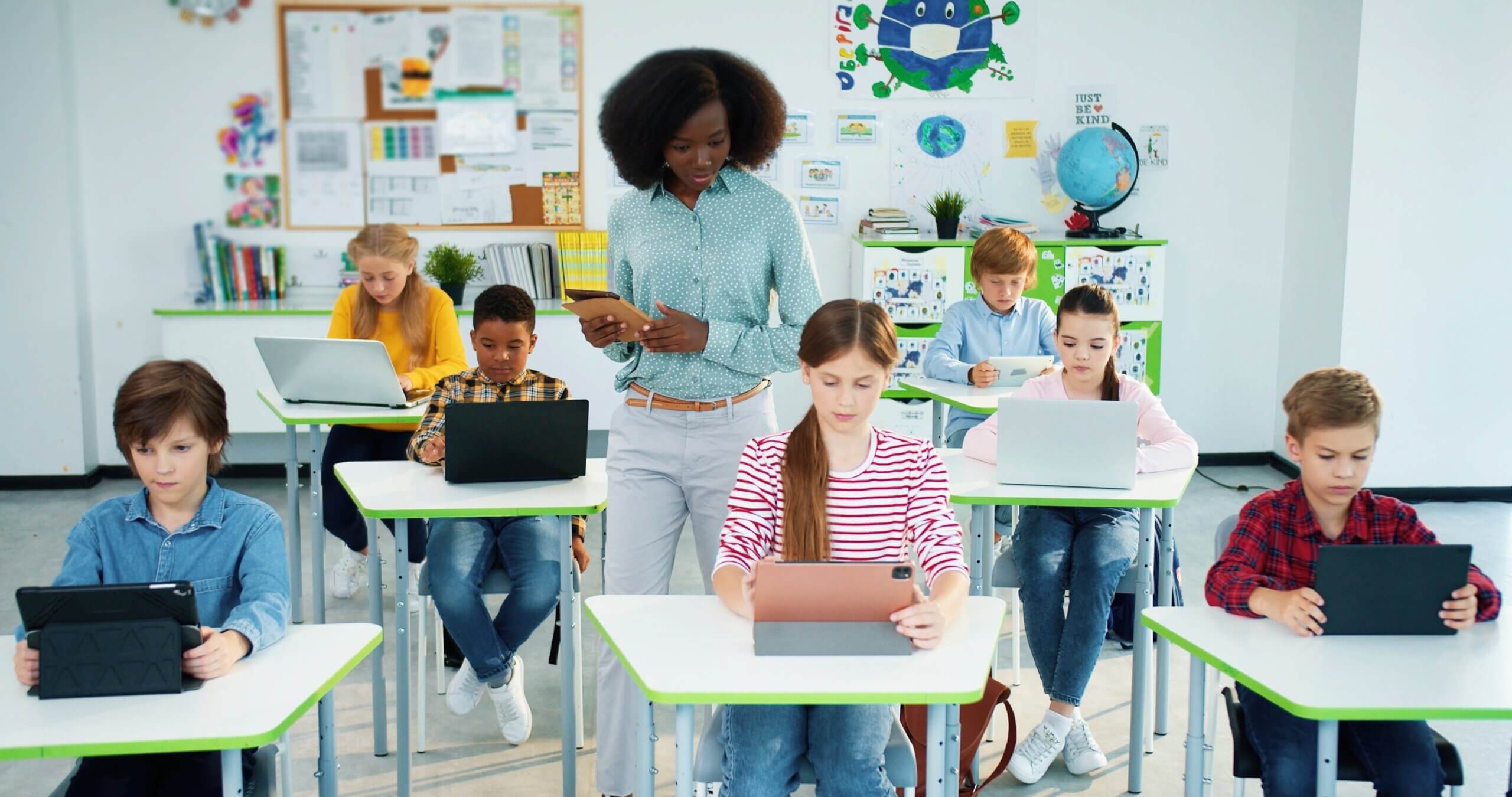
How to Make Classroom Tech More Sustainable
Educational technology benefits the classroom by providing individualized, digital tools for learning. What people often overlook is the environmental impact of this technology. Implementing these strategies can help teachers create more sustainable classrooms.
Why Should Classrooms Be More Sustainable?
When technology stops working, many often discard it, creating e-waste. On average, Americans discard around 9 million tons of devices annually. E-waste is quickly becoming a prevalent polluter.
Many digital devices also consume a significant amount of energy, either because they are never turned off or because they are not made sustainably. Purchasing sustainable products with specific environmental features can help reduce this impact.
Paper is another issue. Although paper is a recyclable material, paper production accounts for approximately 4% of energy usage in the U.S., and paper waste comprises about 35% of municipal waste by weight. Educational technology eliminates paper waste since computers and tablets are reusable.
How to Make Education Tech More Environmentally Friendly
While educational technology is a more sustainable alternative to paper-based tools, teachers should adopt the following strategies to ensure eco-friendliness.
Take Care of Current Devices
To prevent excessive e-waste, repair products as needed and opt for durable technology. It is more sustainable to use the devices students currently have than to keep buying new ones. If devices do break, consider replacing them with second-hand products.
Turn Off Devices
Students should turn off devices when they are not using them. Teachers should unplug all smartboards, tablets, and other tools at the end of the school day. Invest in devices that automatically power off when left unattended. This saves energy and enhances sustainability.
Only Buy Necessary Tools
The more devices in a classroom, the more energy they consume. Only buy tools students actually need, like tablets or computers. This also prevents students and teachers from becoming overwhelmed by learning to use multiple tools simultaneously.
Recycle Devices
Do not dispose of broken devices in the trash. Recycle e-waste at the nearest center to allow its parts to be reused and prevent pollution of landfills. Counties in some states have specific e-waste disposal programs that educators can attend. Sometimes, recycling centers are far away, so do research and consult with the school to ensure devices are properly discarded.
Digitize Classroom Tools
Use tablets, electronic textbooks, and online platforms for teaching. Tablets have only been around for a little less than 20 years, but they have become a common device in classrooms. Digitizing classroom devices reduces paper waste and makes schools more accessible, as many students are already familiar with technology.
Educate Students About the Environment
Encourage students to participate in environmental efforts as well. Teach lessons about how waste and energy usage impact the environment. It may inspire them to turn off their devices and recycle more. This could also create a generation of sustainable adults who work to increase eco-friendliness everywhere.
Benefits of Making Tech Eco-Friendly
There are numerous benefits to making educational technology more environmentally friendly. Below are a few main points.
Cost
Durable educational technology can save schools money by reducing energy bills, as the devices typically consume less power. When teachers purchase these sustainable tools, it can also reduce the long-term cost of software because they will not have to frequently replace it.
The technology also eliminates the need to continuously purchase paper and pencils as they run out. Teachers often purchase school supplies with their own money, so having digital tools limits their spending.
Well-Being
Purchasing fewer tools and focusing on one or two main ones reduces burnout for students and teachers who struggle learning how to use new technology. Because it lessens their environmental footprint, both groups may feel better about their individual impact as well.
Efficiency
Using digital tools makes processes inherently quicker than using physical objects, such as pencils, paper, and textbooks. Incorporating them increases efficiency in the classroom while also enhancing the school’s sustainability efforts. Loading screens and faulty Wi-Fi can be issues, but they are often easily overcome.
Note on Cybersecurity
When using digital devices, ensure students are not inputting data in random or unsafe places. Many tablets have locks, but there are ways to bypass them. Schools should have a protocol for student accounts on these devices and be strict about enforcing it. Some actions to ban altogether include voice recording, filming videos, and texting. This exposes unnecessary student data to the public. Update devices regularly to ensure they have the most recent cybersecurity safeguards.
Reshaping Educational Technology
Educational technology can help enhance sustainability in the classroom, but teachers can still implement the strategies above to ensure overall eco-friendliness. While some of these efforts seem small, individual actions can still make a difference.