


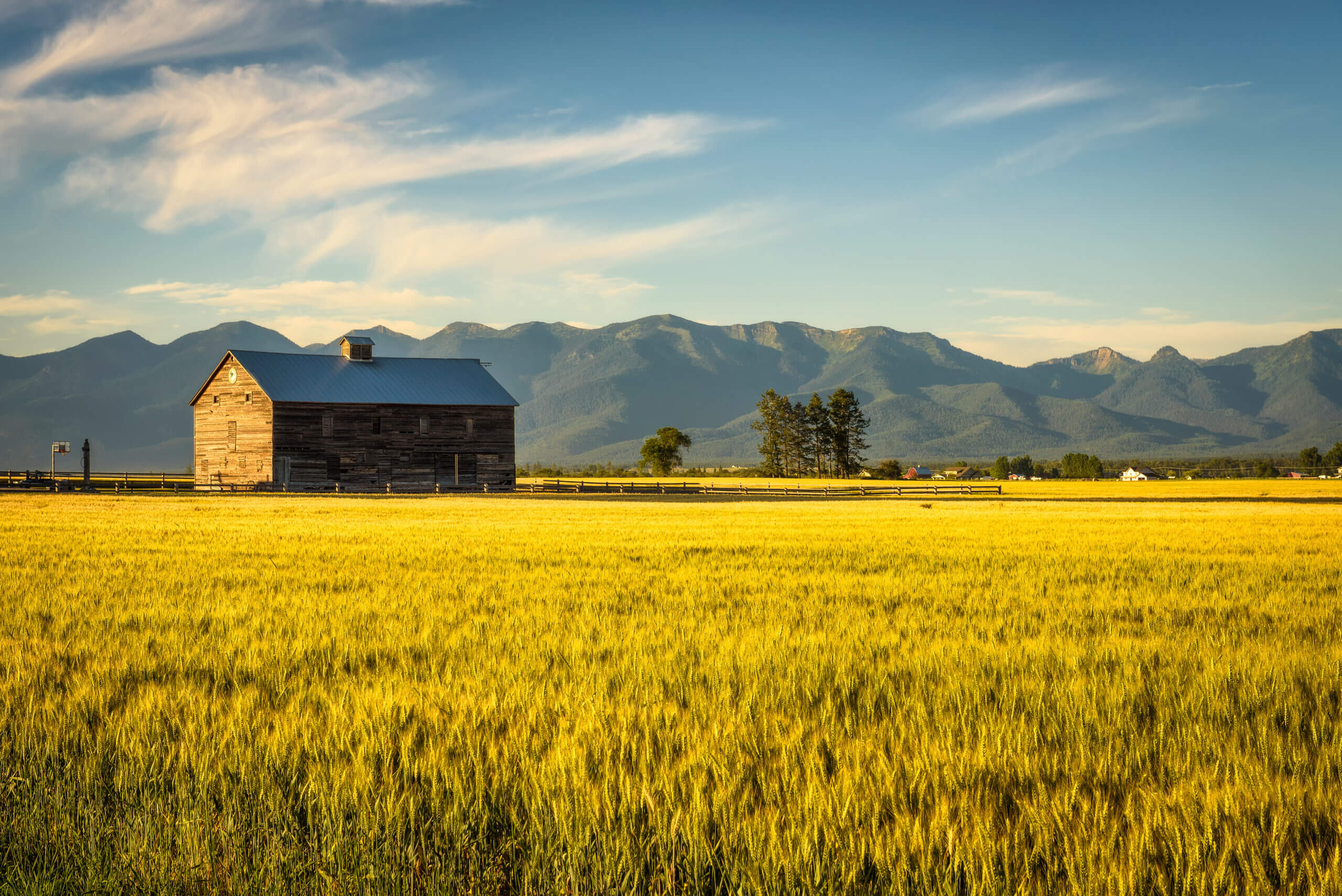
Sustainable Farming for Small Farms and Local Growers
Many small farms and local growing operations already work with limited land, labor, and equipment. That reality makes efficiency essential, and it also makes sustainability a practical business decision rather than a marketing label. Sustainable practices for small farms and growers help address those challenges while improving soil health, protecting yields, and supporting long-term farm viability.
Start With Soil and Water
Healthy soil supports stronger crops, better moisture retention, and lower fertilizer demand. Small farms benefit from compost, cover crops, crop rotation, and reduced tillage because those practices improve structure and keep nutrients in place.
Water management deserves the same attention. Farmers and growers can save money and reduce waste when they monitor irrigation closely, repair leaks quickly, and use an irrigation flow meter to track actual water use in the field.
Choose Tools That Fit the Scale of the Farm
Small farms do not need large capital investments to make meaningful progress. The most effective upgrades often include drip irrigation, soil moisture sensors, weather-based irrigation scheduling, and efficient pumps that match the scale of the operation.
Many of these sustainable farming technologies help growers make better decisions with less guesswork. They also reduce wasted inputs, which matters even more when margins stay tight.
Focus on Practical Changes With Clear Payoff
Local growers often need improvements that deliver results within one or two seasons. That approach makes it easier to control spending while building a more resilient production system over time.
A few high-impact areas deserve attention first:
- irrigation efficiency and water tracking
- soil building through compost and cover crops
- energy savings from efficient equipment and smart scheduling
These changes support lower operating costs and more stable production. They also help farmers respond faster when drought, heat, or labor shortages put pressure on the farm.
Build Resilience Through Local Systems
Sustainable farming also strengthens local food systems. Small farms that protect soil and water resources put themselves in a better position to serve nearby markets consistently and maintain crop quality through changing conditions.
Consumers, restaurants, and community buyers increasingly value food grown with responsible practices. That interest creates an opportunity for small growers who want to stand out through transparency, reliability, and smart resource management.
Keep the Approach Simple and Measurable
Sustainability works best when it stays practical and measurable. Small farms can start with one or two of these sustainable changes, track water use, monitor soil performance, and compare input costs over time.
That steady approach helps growers avoid unnecessary spending and focus on what works in their fields. For small farms and local growers, sustainable farming is not about doing more. It is about using land, water, and inputs more precisely and purposefully.