

Cutting Waste in Pharmaceutical Packaging: How Cartons, Labels and Leaflets Compare
By Beth Rush
Reducing waste in pharmaceutical packaging means finding a careful balance. Choosing a lighter carton, thinner label, or smaller leaflet should never compromise drug stability, moisture protection, or essential dosing information. Each time you reduce packaging materials, consider sustainability alongside compliance, patient safety, and access to critical information.
Why Pharmaceutical Packaging Generates So Much Waste
The answer lies in the high standards necessary to protect medicines. Unlike a typical shampoo bottle, pharmaceutical packaging must meet strict requirements to keep contents safe. Pharmaceutical packaging can create significant waste because medicines often require protective cartons, labels, leaflets, blister packs and tamper-evident features to meet safety and compliance needs.
Many synthetic materials, such as multilayer films that blend plastics with aluminum, are essential for keeping medicines stable but can be very difficult to recycle. In addition, each dose shipped often includes single-use blister packs, folded leaflets and tamper-evident seals, which accumulate quickly across large-scale distribution.
What Are the FDA Guidelines for Pharmaceutical Packaging?
Federal packaging oversight exists mainly to keep patients safe. The Food and Drug Administration requires specific label elements on every carton and container, including the drug name, net content volume, dosage strength, National Drug Code and machine-readable barcode, each of which needs dedicated space to remain legible.
The United States Pharmacopeia complements these rules. Standards such as USP 659 define packaging and storage terms, including light-resistant, well-closed and tight containers, as well as storage temperature and humidity conditions, which can shape packaging choices beyond brand preferences.
What Are the Top Packaging Options for Pharmaceuticals?
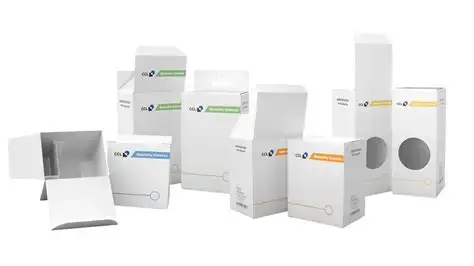
When considering pharmaceutical packaging options, evaluate each part thoughtfully. Some suppliers, such as CCL Healthcare, make labels, folding cartons, and printed literature in cGMP facilities and support packaging decisions that balance regulatory compliance, product safety, tamper-evidence, patient adherence, supply chain efficiency, brand protection, sustainability, and cost-effectiveness.
The company’s sustainability service reviews packaging construction, printing efficiency, adhesive choices, and materials that recycle better.
For buyers, the goal isn’t simply to choose the lowest-cost component, but to find packaging that preserves quality, supports compliance, and allows room for safer or more efficient design improvements.
No single solution fits all. The right mix of cartons, labels and printed literature depends on the regulations you follow, how much protection the product needs, how strongly the package must guard against tampering and counterfeiting, how patients use the information, and what level of cost, quality and innovation the budget can support.
Folding Paper Cartons
Folding cartons provide extra protection, keeping bottles or blister strips safe from light and shipping pressure. Their surfaces also offer space for regulatory details, serialization and multilingual labeling.
Many paperboard cartons are compatible with established recycling streams, though coatings, contamination and local recycling rules can affect outcomes.
Product Labels
Pressure-sensitive labels help identify medications and provide tamper evidence, staying secure through temperature shifts, moisture, and handling. Labels can also support brand protection by carrying serialization, authentication or tamper-evident features that help buyers and supply chain partners identify suspicious or altered products.
Because their release liners are made from composite materials, they can be hard to recycle and quietly add to packaging waste. Recognizing this impact can inspire more sustainable choices.
Printed Literature, Leaflets and Inserts
Printed leaflets and inserts account for a surprisingly large share of the total package weight. In one study of oral contraceptive packages, researchers found that printed leaflets accounted for an average of about 55% of the total package weight.
This results in thousands of tons of paper waste and higher emissions each year. Finding solutions that provide all necessary information while using less paper remains a meaningful challenge.
Here’s how the three options generally compare:
| Packaging Element | Compliance | Barrier Protection | Unit Cost | Landfill Impact |
| Folding cartons | High | Moderate | Low-moderate | Low |
| Labels | High | High | Low | Moderate |
| Printed literature | High | Low | Low | High |
Practical Ways to Reduce Pharmaceutical Packaging Waste
Several approachable ways can help reduce packaging waste while maintaining compliance and safety.
Right-Size Cartons to Cut Material Use
Trimming a few millimeters of unused space from an outer carton can help keep the vial secure while reducing unnecessary paperboard. Smaller cartons let you ship more medicine per pallet, which quietly lowers transport emissions.
Clever folding methods or tuck flaps that require no extra trimming can balance protection and efficiency.
Shift Toward Recyclable and Mono-Material Designs
Standard cardboard has a stronger recycling infrastructure than many mixed-material packaging formats. According to the American Forest & Paper Association, the cardboard recycling rate was between 70% and 75%, with more than 33 million tons recycled.
The U.S. Environmental Protection Agency’s materials management hierarchy emphasizes source reduction and reuse before recycling and composting, so paperboard improvements should still be paired with right-sizing and material-reduction strategies.
However, moisture barriers remain essential for protecting many medications, so the shift away from multi-material foils is occurring step by step. As new fiber coatings with comparable moisture resistance are developed, manufacturers can gradually adopt more sustainable mono-material solutions.
Move Toward Digital Leaflets and QR Codes
Regulators such as the European Medicines Agency are exploring electronic product formats that could allow patients and healthcare providers to access details of approved medicines through digital channels. Depending on the approved format and local requirements, these tools may reduce reliance on bulky folded inserts without replacing essential printed safety details.
Important safety warnings and essential usage instructions must remain clearly available in the required approved format, so critical information is always within reach.
While digital solutions offer convenience and reduce material use, not every patient has access to a smartphone or reliable internet connection. A thoughtful blend of printed and digital resources can meet all patients’ needs while gradually reducing the environmental impact of printed materials.
Audit the Full Package for Waste Reduction
Small changes can make a significant difference. Here are a few areas that offer practical opportunities:
- Water-based adhesives: These wash away cleanly during paper reprocessing.
- Printing layout adjustments: Smarter layouts leave fewer scrap trimmings on the cutting-room floor.
- Label backing partnerships: Partnering with suppliers to repurpose slick label backing paper keeps more material in circulation.
- Sorting compatibility checks: Checking whether caps, labels and cartons are compatible with relevant local recycling or sorting systems.
Balancing Compliance, Safety and Sustainability in Pharma Packaging
Every product, whether it’s a liquid medicine or a tablet, has different safety requirements and budget pressures, so no single solution fits everyone. Real progress comes from steady, thoughtful adjustments over time, and each step forward is a real accomplishment as organizations continue to improve cartons, labels and leaflets together.
About the author: Beth Rush is the green wellness editor at Body+Mind, where she covers topics like the power of climate consciousness at all stages of education. You can find Beth on Twitter @bodymindmag. Subscribe to Body+Mind for more posts by Beth!