


Sweet and Sustainable: Why Pure Honey Is Better for You and the Environment
Honey is easy to overlook. It sits on the shelf, gets used now and then, and rarely gets much thought. Most people see it as just another sweetener. But pure honey is different from most foods people use every day. It comes from a process that hasn’t changed much over time, and it fits into daily life without needing much explanation.
Once the noise is stripped away, honey starts to feel less like a product and more like something that simply makes sense.
What Pure Honey Really Is
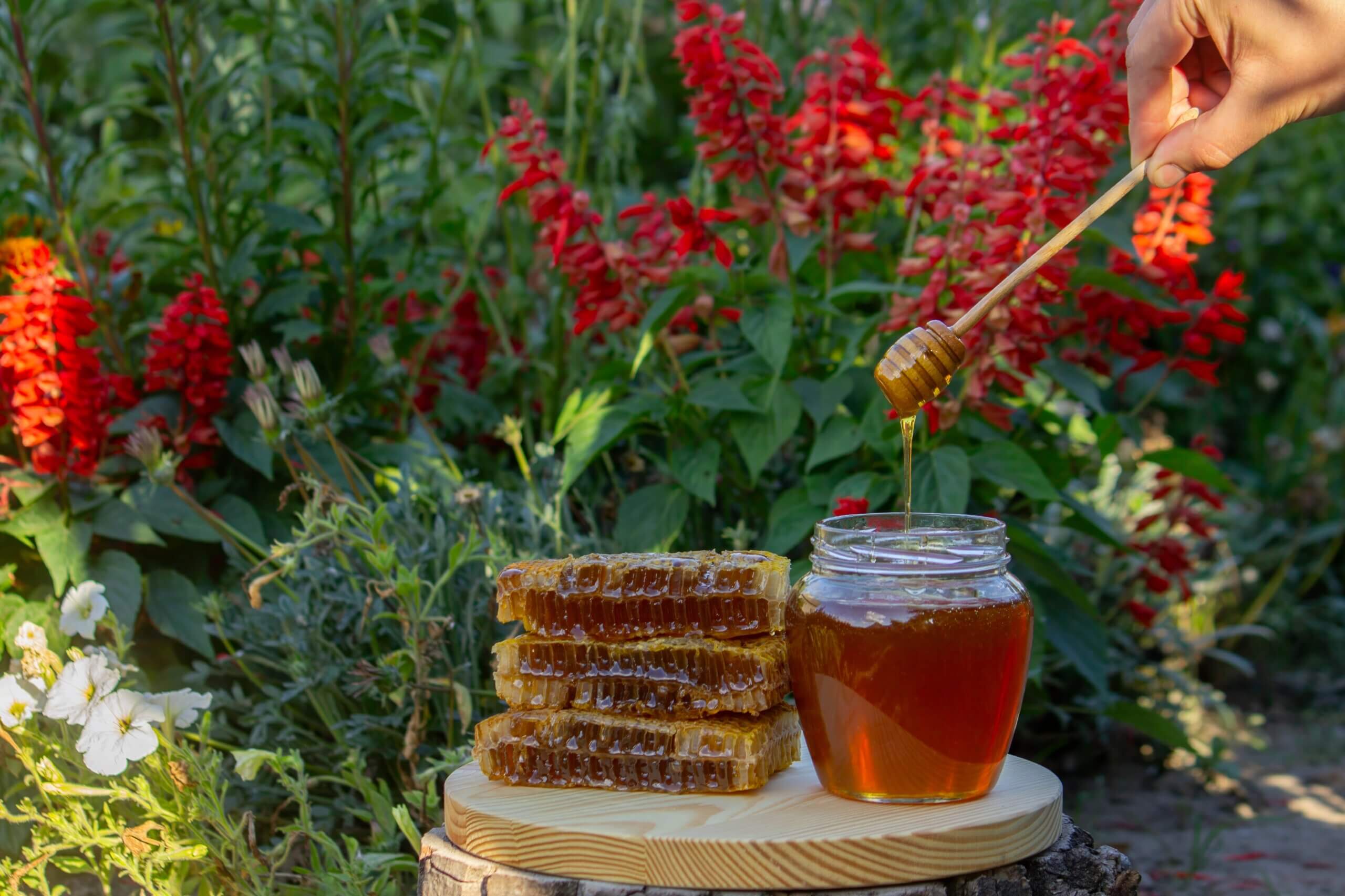
Pure honey doesn’t go through a long story before it reaches the jar. Bees collect nectar. They turn it into honey inside the hive. Beekeepers handle honey harvesting carefully, then strain out bits of wax before the honey goes into a honey jar. Nothing is added later to stretch it or sweeten it further.
This matters because not everything labeled as honey follows that path. Some bottled honey is mixed with sugar syrups before leaving large processing facilities. These products may look fine on the shelf, but they don’t behave the same way. The taste fades fast, and the texture often feels thin. Pure raw honey feels heavier and more complete. That difference comes from leaving the honey alone rather than trying to modify it.
Why Honey Feels Different From Sugar
Refined sugar rushes in and rushes out. People feel it when energy spikes, then drops. Honey still contains sugar, but it doesn’t hit the body the same way. Its natural structure slows how it’s absorbed.
This is often where people decide whether to keep buying blended sweeteners or switch to something better. Choosing pure honey instead of processed sugar is a small but deliberate step. It’s an easy upgrade that doesn’t change how food is prepared, yet it changes how the body responds. That steady feeling is what keeps many people coming back once they’ve made the switch.
A Few Natural Extras Without the Hype
Honey isn’t packed with nutrients, and it doesn’t need to be sold that way. What it does contain are trace minerals and antioxidants. These nutritional compounds may be small, but they’re still meaningful when compared to refined sugar, which offers nothing beyond sweetness.
Over time, eating habits are shaped by patterns, not single choices. Using honey instead of sugar removes an empty ingredient and replaces it with something more balanced. Whether it’s wildflower honey drizzled over breakfast or a spoon added to tea, the change feels natural rather than forced.
Why Honey Has Always Been Used for Comfort
People have used honey for sore throats for generations. That practice stuck around for a reason. Honey coats the throat and helps ease irritation without numbing or masking discomfort. It’s simple and effective.
Digestion tells a similar story. Honey contains enzymes that support how food breaks down. Meals often feel less heavy when honey replaces refined sugar. This applies whether the honey is liquid, lightly crystallized, or even whipped honey. The form may change, but the benefit stays consistent.
Bees Are the Real Center of the Story
Honey exists because bees exist. That part is obvious. What’s easier to forget is how much food depends on bees doing their work. As bees move from plant to plant, they pollinate crops that produce fruits, vegetables, and seeds.
Bee populations have taken serious hits over the years. Chemical use, habitat loss, and large-scale farming all play a role. Responsible honey harvesting supports beekeepers who focus on sustainable practices instead of pushing hives beyond their limits. Buying organic honey or locally sourced pure honey helps support food systems that leave space for nature to function properly.
How Honey Production Treats the Land
Sugar production demands a lot from the environment. Large farms rely on heavy water use and chemical treatments. Soil gets worn down, and nearby water sources often suffer.
Beekeeping works differently. Bees travel freely, pollinating plants as they go. This supports plant growth and diversity across wide areas. Healthy plant life supports insects, and healthy insects support the land. Honey comes from that cycle. It doesn’t require clearing fields or draining resources to exist.
Less Processing Means Less Waste
Refined sugar goes through multiple steps before it reaches the table. Each step uses energy and strips away natural value. The final product looks clean but offers little beyond sweetness.
Honey doesn’t need that level of handling. Pure honey can move from hive to honey jar without passing through heavy processing facilities. That simplicity reduces waste and energy use. It also builds trust, since what ends up in the jar closely reflects what was created in the hive.
Taste That Reflects Where It Comes From
Pure honey doesn’t taste the same everywhere. Wildflower honey tastes different from honey made near forests or farms. Some types feel light and floral, while others taste deep and rich.
That variation comes from the environment, not added flavoring. It also changes how honey is used. A small amount often feels enough because the flavor carries weight. Sugar doesn’t offer that experience. Honey adds character instead of just sweetness.
Conclusion
Pure honey isn’t about trends or bold health claims. It’s about choosing something that works quietly and consistently. It treats the body more gently than refined sugar and supports systems built on balance rather than force. Bees benefit, land benefits, and food feels more honest as a result. Small choices like this don’t announce themselves, but they last, and that’s why they matter.