


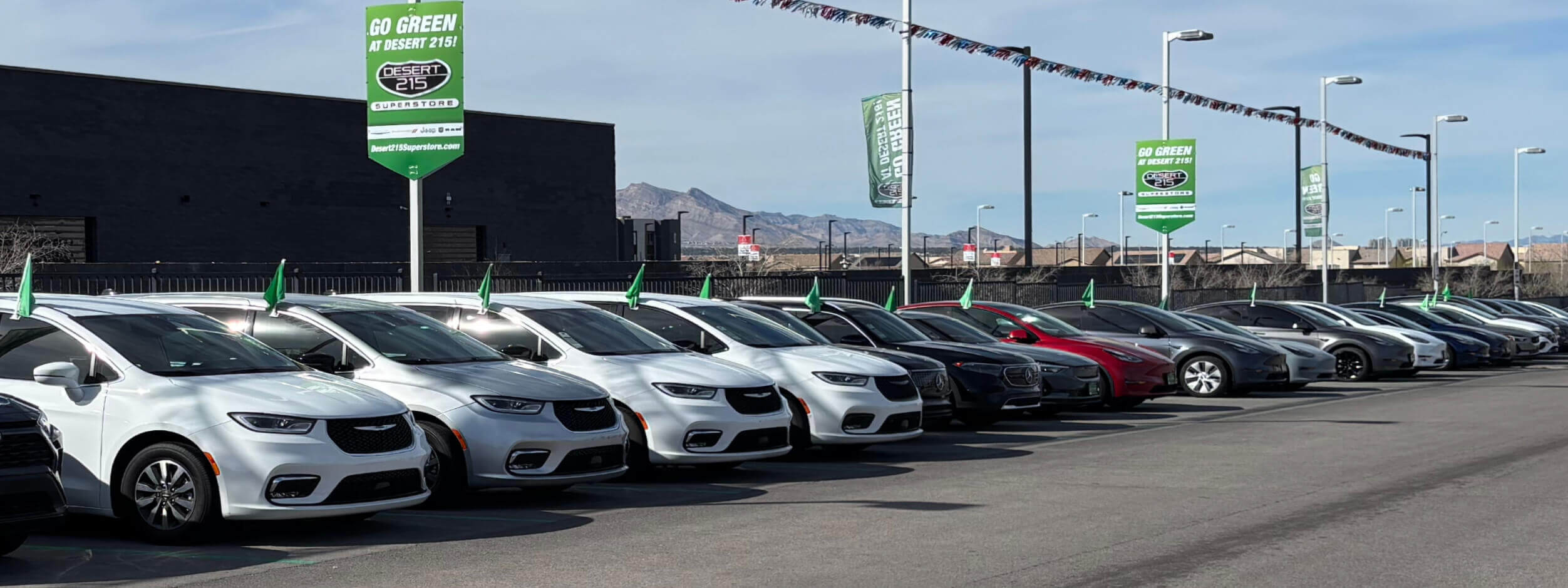
How Second-hand EVs Are Making Electric Driving More Affordable in 2026
For years, one of the biggest barriers to owning an electric vehicle was the price. The fuel savings and low running costs made EVs appealing, but the upfront cost put them out of reach for many households.
That picture is changing quickly in 2026. As more electric vehicles complete their first lease terms and enter the used market, buyers have access to a far wider selection of affordable models than ever before.
Buying a second-hand EV is no longer just about finding a lower price. It is about making electric driving accessible to families, commuters and first-time buyers who want to cut running costs without stretching their budget.
Whether you are shopping in Perth or anywhere else, here is why the used EV market has become one of the biggest drivers of electric vehicle adoption.
A Growing Supply Means Better Value
The used EV market has expanded significantly as early adopters upgrade to newer models with longer ranges and updated technology. That steady supply has given buyers more choice across different price points, from compact city cars to family SUVs.
This is only happening because the new market grew first. Battery electric vehicles reached 103,269 sales in Australia in 2025, about 8.3% of new cars, and by May 2026 they hit a record 20% of monthly sales, according to the Federal Chamber of Automotive Industries. Every one of those is a future used EV.
Greater availability also creates healthier competition between sellers, so instead of paying a premium for a brand-new model, shoppers can buy an EV that is only a few years old while still enjoying modern safety features and technology.
Lower Purchase Prices Make the Switch Easier
The biggest advantage of buying a used EV is simple: affordability. Depreciation affects electric vehicles much like conventional cars, which means the first owner absorbs most of the early value loss. For the second owner, that creates an opportunity to buy a well-maintained vehicle for considerably less than its original retail price.
For many households, the lower purchase cost makes finance payments more manageable and removes the financial hurdle that previously kept electric driving out of reach.
Many second-hand EVs are also only a few years old, allowing buyers to benefit from modern safety features, improved battery technology, and practical driving ranges without paying the premium that comes with buying new. When combined with lower day-to-day running costs, the savings can make switching to an EV a much more realistic option.
Running Costs Remain Low
Even after changing owners, an electric vehicle offers the same day-to-day savings that attract new car buyers in the first place. Electricity generally costs less than petrol or diesel per kilometre, and EVs have far fewer moving parts that need regular servicing.
With no oil filters, timing belts or exhaust systems, maintenance is often simpler than on a combustion vehicle, and regenerative braking even reduces brake wear. These savings become particularly valuable for drivers with long commutes or families covering high annual mileage.
When comparing second hand cars Perth buyers have available, it’s worth looking beyond the purchase price and considering the total cost of ownership. Fuel or charging costs, servicing, insurance, and long-term maintenance all influence how much a vehicle will actually cost over time, and in many cases, a used EV can offer meaningful savings.
Dealerships such as Westside Auto Wholesale give buyers access to a wide range of quality used vehicles, including second-hand EVs, while also offering trade-ins and finance options. Comparing different models in one place and discussing ownership costs with an experienced team can make it easier to find a vehicle that suits both your budget and driving needs.
Battery Health Is Easier to Assess
Battery life has long been the biggest concern for used EV buyers. Fortunately, battery technology has matured considerably, and many manufacturers now provide lengthy warranties that extend well beyond the original purchase date, some of which may still be active on a used car.
Modern diagnostic tools also let buyers and dealerships assess battery health before purchase. Rather than relying on guesswork, shoppers can often review a state-of-health report that shows how much capacity remains. Understanding battery health helps you make an informed decision and removes much of the uncertainty about long-term ownership.
Charging and Information Make Ownership Practical
Two quieter shifts have made used EVs genuinely practical for everyday drivers. The first is charging. Public charging infrastructure keeps expanding, and more households are installing home chargers, allowing owners to recharge overnight and start each day full.
That means buyers no longer need the newest EV with the longest range, since many used models comfortably handle commuting, school runs and weekend trips.
The second is information. Independent reviews, ownership forums, battery reports and history checks give buyers a clear picture before they commit.
Instead of relying on manufacturer claims, shoppers can compare real-world range, charging speeds and ownership costs drawn from thousands of existing owners, which makes choosing a used EV far more confident.
Things to Check Before Buying
Used EVs can offer excellent value, but taking a little time to check a few key details before you buy can make a big difference to your ownership experience and long-term costs.
- Review the battery health report and any remaining warranty to understand the battery’s condition.
- Confirm charging compatibility with your home charger or the public charging network you plan to use.
- Check the service history and software update records to ensure the vehicle has been well maintained.
- Consider the realistic driving range and whether it suits your daily travel needs.
- Compare the total cost of ownership, including finance, insurance, charging, and servicing, rather than focusing only on the purchase price.
A few simple checks upfront can help you choose a used EV with greater confidence and enjoy better value over the long term.
Conclusion
Second-hand electric vehicles are changing the conversation around EV ownership in 2026. As supply grows, prices become more competitive, and buyers gain access to better information about battery health and running costs, electric driving is becoming a realistic option for far more people.
For households looking to cut fuel costs without paying new-car prices, the used market offers a way to make the switch with confidence. Choose a well-maintained vehicle, understand its battery condition, and compare the full cost of ownership rather than the sticker alone.
Do that, and electric driving is no longer the expensive option. For many buyers, it is now the affordable one.