

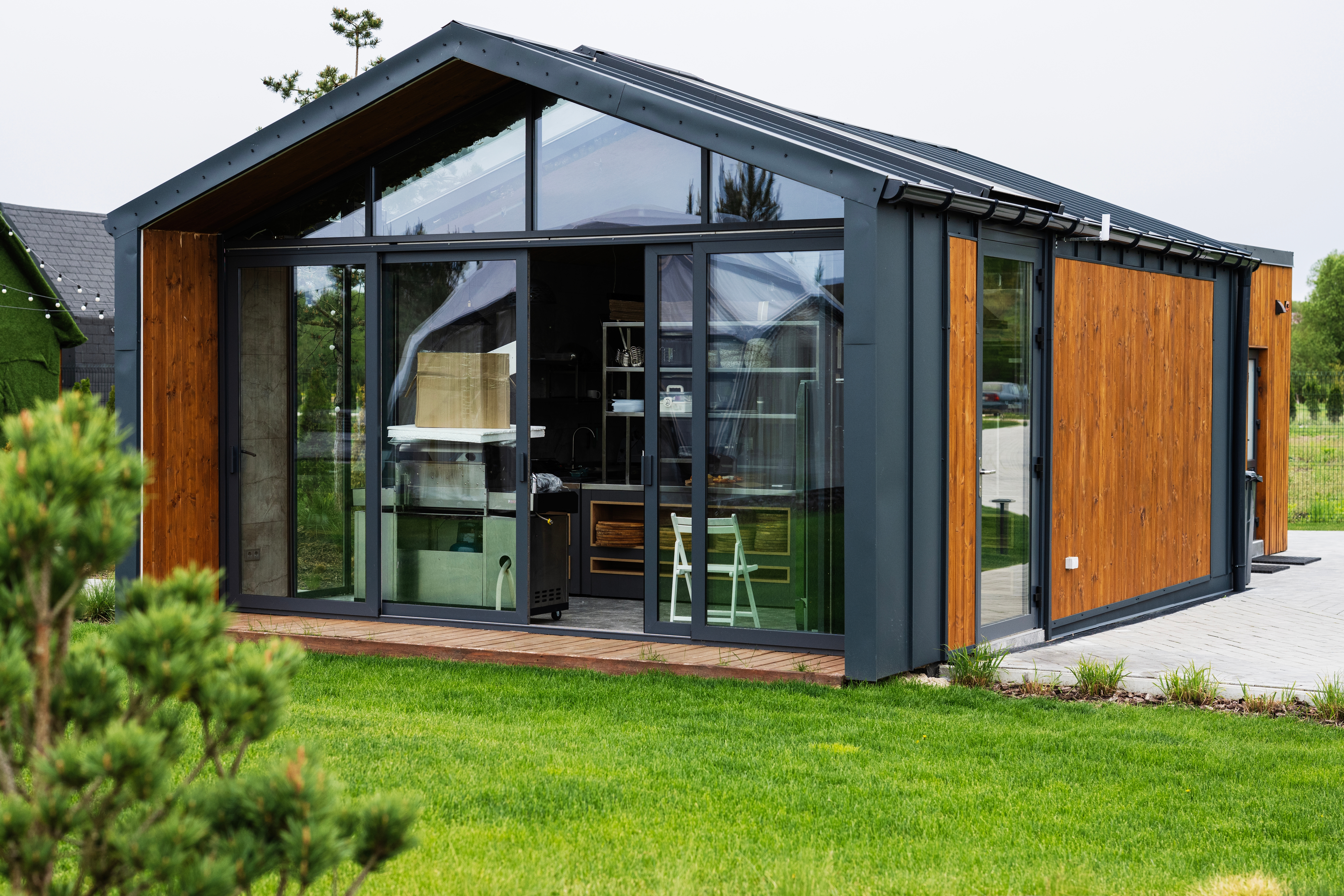
How Environmentally Friendly Are Tiny Houses?
Tiny houses have become increasingly popular over the last decade, attracting homeowners who want a simpler lifestyle, lower living costs, and a smaller environmental footprint.
With growing concerns about climate change, resource consumption, and sustainable living, many people see tiny houses as an eco-friendly alternative to traditional homes. But how environmentally friendly are tiny houses really?
The answer depends on several factors, including how the home is built, where it is located, the materials used, and the occupants’ lifestyle. While tiny houses generally have a lower environmental impact than conventional homes, they are not automatically sustainable.
Understanding both the benefits and limitations can help determine whether tiny living is truly a greener choice.
The Environmental Benefits of Tiny Houses
Reduced Material Consumption
One of the most obvious environmental advantages of a tiny house is that it requires significantly fewer building materials than a traditional home. A typical American home measures approximately 2,000 to 2,500 square feet, while most tiny houses range from 100 to 400 square feet.
Because of their smaller size, tiny homes require less lumber, concrete, steel, insulation, drywall, roofing, and other construction materials. Producing these materials often involves energy-intensive manufacturing processes that contribute to greenhouse gas emissions. By reducing the quantity of materials needed, tiny houses help lower the environmental impact associated with construction.
Smaller homes also generate less construction waste. Traditional building projects can produce large amounts of scrap wood, drywall offcuts, packaging materials, and other debris that often ends up in landfills. Tiny house construction generally results in significantly less waste.
Lower Energy Consumption
Heating and cooling are among the largest sources of energy use in residential buildings. Since tiny houses have much less interior space, they require substantially less energy to maintain comfortable temperatures.
A smaller home can be heated quickly during winter and cooled efficiently during summer. This reduced energy demand often translates into lower utility bills and fewer carbon emissions.
Many tiny house owners further reduce their environmental impact by installing:
- High-performance insulation
- Energy-efficient windows
- LED lighting
- Energy Star-rated appliances
- Heat pumps or mini-split systems
These upgrades can significantly decrease energy consumption compared to conventional homes.
Easier Integration of Renewable Energy
The modest energy requirements of tiny houses make them ideal candidates for renewable energy systems. A traditional home may require a large and expensive solar array to meet its energy needs, but a tiny house often needs only a fraction of that capacity.
Many tiny homeowners install rooftop solar panels paired with battery storage systems, allowing them to operate partially or completely off-grid. Because their overall electricity demand is lower, achieving energy independence is often more affordable and practical.
Some tiny homes also incorporate:
- Solar water heating systems
- Rainwater collection systems
- Composting toilets
- Greywater recycling systems
These features further reduce reliance on municipal infrastructure and decrease environmental impact.
Smaller Carbon Footprint
The carbon footprint of a home includes emissions generated during construction, maintenance, and daily operation. Tiny houses generally perform well in all three areas.
Construction-related emissions are lower because fewer materials are used. Operational emissions are reduced due to lower heating, cooling, and electricity requirements. Maintenance-related emissions are also minimized because there is less space to repair, repaint, renovate, and furnish.
Over time, these savings can result in a significantly lower overall carbon footprint compared to larger homes.
Encouraging Sustainable Living Habits
Reduced Consumerism
Living in a tiny house often requires people to reevaluate their relationship with possessions. Limited storage space forces homeowners to prioritize essentials and avoid unnecessary purchases.
This reduction in consumption can have environmental benefits beyond the home itself. Fewer purchases generally mean:
- Less manufacturing demand
- Reduced packaging waste
- Lower transportation emissions
- Less household clutter ending up in landfills
Many tiny house residents embrace minimalist lifestyles, focusing on experiences rather than material possessions.
More Conscious Resource Use
Tiny house occupants tend to become more aware of their resource consumption. Limited space and smaller utility systems often encourage careful use of electricity, water, and household products.
For example, a homeowner who prioritizes sustainable living with a small rainwater collection system may become more mindful of daily water use. Similarly, someone relying on solar power may pay closer attention to energy consumption patterns.
This increased awareness often leads to more environmentally responsible behaviors.
Sustainable Building Materials
Eco-Friendly Material Options
Tiny houses can be constructed using a variety of sustainable materials. Some environmentally conscious builders choose:
- Reclaimed wood
- Recycled steel
- Salvaged doors and windows
- Bamboo flooring
- Recycled insulation products
- Non-toxic paints and finishes
Using reclaimed and recycled materials reduces demand for new resource extraction and helps divert usable materials from landfills.
Adaptive Reuse
Some tiny homes are built from repurposed structures such as:
- Shipping containers
- Old sheds
- School buses
- Trailers
- Barn materials
Adaptive reuse gives existing materials a second life and can reduce the environmental impact associated with manufacturing new building products.
However, the sustainability of these approaches depends on proper sustainable tiny house design and construction methods. For example, shipping container homes may require significant modifications and insulation upgrades to achieve energy efficiency.
The Challenges and Limitations
While tiny houses offer numerous environmental advantages, they are not without drawbacks.
Building Materials Still Matter
A tiny house constructed with unsustainable materials may not be as environmentally friendly as expected. If builders use products with high embodied carbon, toxic chemicals, or poor durability, some environmental benefits may be reduced.
The sustainability of a tiny home depends not only on its size but also on the quality and sourcing of its materials.
Mobility Can Increase Emissions
Many tiny houses are built on trailers to allow mobility and flexibility. While mobility offers certain advantages, transporting a tiny house can generate substantial emissions.
Unlike recreational vehicles designed for frequent travel, many tiny homes are relatively heavy and require large trucks for towing. Frequent relocation can increase fuel consumption and offset some environmental benefits.
A tiny house that remains in one location generally has a smaller environmental impact than one that is regularly moved long distances.
Land Use Considerations
Although tiny houses require less space, their environmental impact also depends on where they are located.
A tiny house built in a remote area may require residents to drive long distances for work, groceries, healthcare, and other necessities. Increased vehicle use can generate significant carbon emissions that may outweigh some of the home’s environmental advantages.
In contrast, tiny homes located within walkable communities or near public transportation tend to have a lower overall environmental footprint.
Infrastructure Challenges
Off-grid systems can reduce reliance on municipal utilities, but they also require careful management. Solar panels, batteries, water storage tanks, and waste systems all have environmental impacts associated with their production and disposal.
Battery manufacturing, in particular, involves resource extraction and energy-intensive processes. While renewable energy systems often provide long-term environmental benefits, they are not entirely impact-free.
Tiny Houses vs. Traditional Homes
When comparing tiny houses to conventional homes, the environmental advantages are generally clear.
Traditional homes:
- Use more construction materials
- Require more energy for heating and cooling
- Generate more maintenance-related waste
- Encourage greater consumption of furniture and household goods
Tiny houses:
- Use fewer resources
- Consume less energy
- Produce less waste
- Support minimalist lifestyles
However, the comparison becomes more complex when considering apartments or multi-family housing.
An efficiently designed apartment in a dense urban area may have a smaller per-person environmental footprint than a standalone tiny house. Shared walls reduce heating and cooling needs, while access to public transportation can significantly reduce transportation emissions.
Therefore, tiny houses are not always the most environmentally friendly housing option, but they are often far more sustainable than large single-family homes.
Maximizing the Sustainability of a Tiny House
Homeowners who want to make their tiny house as environmentally friendly as possible can take several steps:
Choose Sustainable Materials
Select reclaimed, recycled, or responsibly sourced building materials whenever possible. Avoid products containing harmful chemicals or excessive packaging.
Prioritize Energy Efficiency
Invest in quality insulation, efficient windows, and energy-saving appliances. Reducing energy demand is often more effective than simply adding renewable energy systems.
Install Renewable Energy
Solar panels, battery storage, and solar water heaters can significantly reduce reliance on fossil fuels.
Reduce Water Consumption
Low-flow fixtures, rainwater harvesting systems, and greywater recycling can minimize water use and support sustainable living.
Select a Smart Location
Choosing a location close to jobs, schools, shopping, and public transportation can dramatically reduce transportation-related emissions.
Embrace Minimalism
The environmental benefits of tiny living are amplified when residents adopt a lower-consumption lifestyle that prioritizes quality over quantity.
Conclusion
Tiny houses can be an environmentally friendly green housing solution, offering substantial reductions in material use, energy consumption, waste generation, and carbon emissions. Their small size naturally encourages resource efficiency and often supports more sustainable lifestyles.
However, tiny houses are not automatically eco-friendly. Factors such as building materials, location, transportation habits, and energy systems all influence their overall environmental impact. A poorly designed tiny house can be less sustainable than a well-planned apartment or energy-efficient conventional home.
When thoughtfully designed and responsibly occupied, tiny houses represent a meaningful step toward more sustainable living. They demonstrate that reducing our physical footprint can also reduce our environmental footprint, helping individuals live more lightly on the planet while enjoying the benefits of simplicity, affordability, and efficiency.