


How Tire Recycling Technology Supports a Circular Economy
The global challenge of waste tire management is becoming increasingly urgent as millions of tires reach the end of their service life every year. Traditionally, discarded tires have been difficult to handle due to their durability, complex structure, and resistance to natural degradation. However, with the development of advanced recycling technologies, waste tires are no longer viewed as useless waste.
Instead, they have become valuable resources that can be transformed into alternative fuels, rubber products, and recovered materials.
A circular economy focuses on keeping resources in use for as long as possible by reducing waste and recovering valuable materials. In this transition, modern tire recycling equipment plays an important role by enabling waste tires to be processed efficiently and converted into useful products for different industries.
The Role of Tire Recycling in a Circular Economy
A linear economic model follows the pattern of “produce, use, and dispose.” For tires, this often results in large amounts of waste accumulating in landfills or being improperly stored, creating environmental and safety concerns. A circular economy takes a different approach by recovering materials and returning them to productive applications.
Waste tires contain valuable components, including rubber, steel wire, and textile fibers. Through professional recycling processes, these materials can be separated and reused. Rubber can be processed into crumb rubber, rubber mulch, or fuel-derived products. Steel can be recovered and recycled in metal industries, while other materials can be utilized in various applications.
By supporting material recovery, tire recycling reduces dependence on virgin resources and helps industries move toward more sustainable production methods.
How Modern Tire Recycling Technology Works
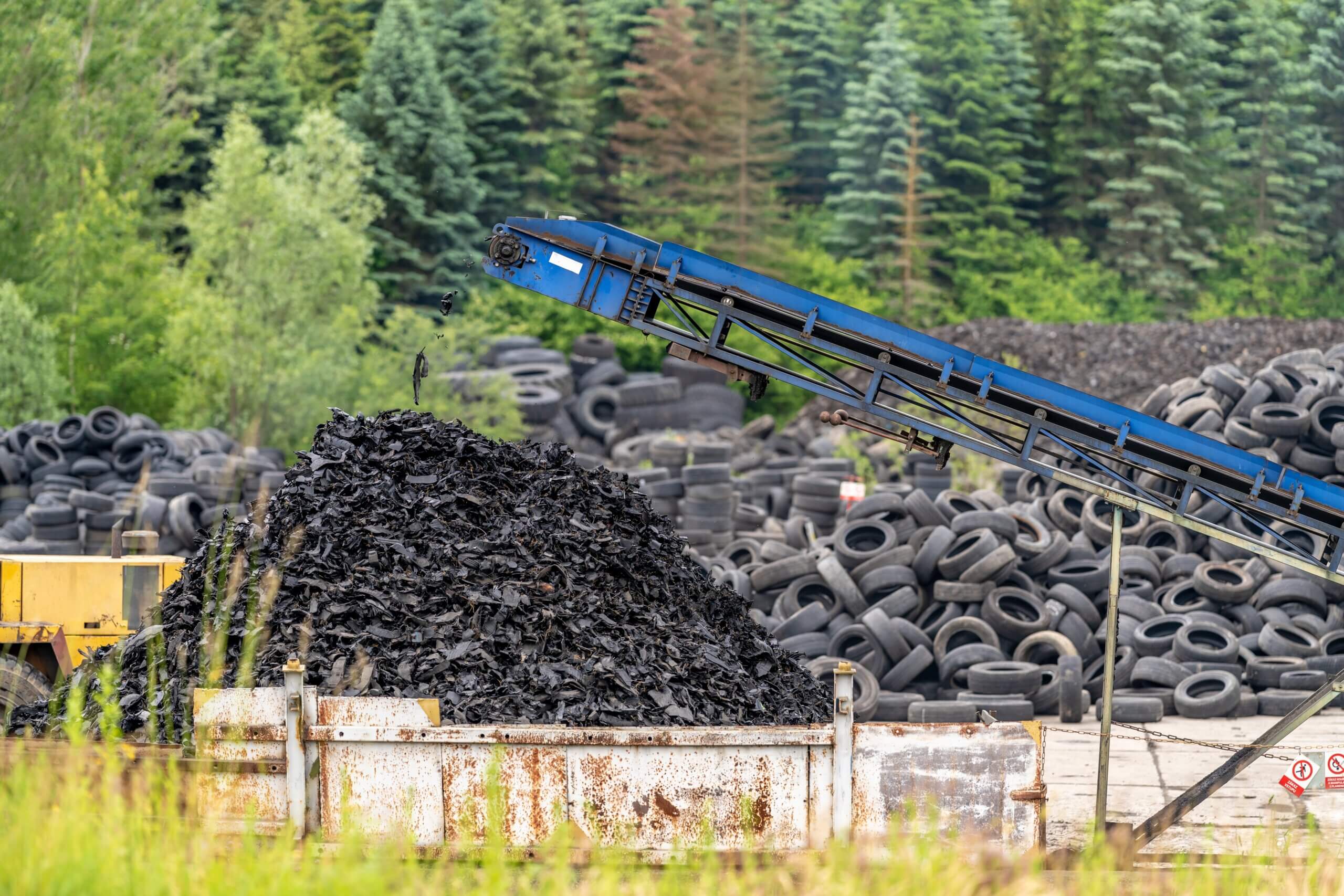
Efficient tire recycling requires multiple processing stages to handle the strong structure of waste tires. A complete recycling system typically begins with tire shredding, where large tires are reduced into smaller pieces for further processing.
A modern tire recycling machine is designed to handle different types of waste tires, including passenger car tires, truck tires, and heavy-duty industrial tires. Depending on the final application, the system can include shredding, steel separation, granulation, and screening processes to achieve the required output size.
For companies that need alternative fuel solutions, the recycling process can produce tire-derived fuel (TDF). The shredded tire material can be prepared into specific sizes suitable for industrial combustion systems, helping replace part of the traditional fossil fuel consumption.
For rubber recovery applications, additional processing stages can remove steel and fiber contaminants, producing clean rubber granules or powder that can be used in new products.
Turning Waste Tires Into Alternative Fuel: An Iraq Cement Plant Project
A practical example of circular economy implementation comes from a tire recycling project completed for a cement plant client in Iraq. The project focused on processing waste tires into a valuable alternative fuel source for cement production.
Through an optimized recycling system, discarded tires were processed into approximately 50mm TDF briquettes. These tire-derived fuel products were designed for use in cement kiln operations, helping the plant reduce its reliance on conventional fossil fuels while creating a productive solution for waste tire disposal.
The project demonstrates how waste materials can be integrated into industrial energy systems. Instead of sending end-of-life tires to landfills, the tires were converted into a consistent fuel resource that supports both waste reduction and energy recovery.
This type of application highlights the importance of selecting suitable recycling technology based on the final purpose of the processed material. For cement plants, RDF/TDF solutions can provide economic and environmental benefits by combining waste management with energy efficiency.
Benefits of Investing in Advanced Tire Recycling Solutions
For recycling companies, waste management organizations, and industrial users, investing in reliable recycling technology brings several advantages.
First, it creates new revenue opportunities by converting waste tires into valuable products. Recovered rubber, steel, and fuel materials can serve different markets, allowing businesses to maximize resource utilization.
Second, advanced recycling systems improve operational efficiency. Modern equipment is designed with automated controls, durable components, and optimized processing capabilities to ensure stable production and reduce maintenance requirements.
Third, tire recycling contributes to environmental protection. Proper processing helps prevent illegal dumping, reduces landfill pressure, and supports global sustainability goals.
For businesses planning to enter the recycling industry, choosing the right tire recycling equipment is essential. The ideal system should match the available tire volume, required output products, and local market demand.
The Future of Tire Recycling and Resource Recovery
As governments and industries continue to focus on sustainability, tire recycling will become an increasingly important part of global resource management. Regulations on waste disposal are becoming stricter, while demand for recycled materials and alternative fuels continues to grow.
Future recycling technologies will focus on improving energy efficiency, increasing material recovery rates, and creating higher-value applications for recycled products. Companies that adopt advanced solutions today will be better positioned to participate in the growing circular economy.
Waste tires represent a significant environmental challenge, but they also represent an opportunity. With the right technology, these materials can be transformed into valuable resources that support cleaner production and sustainable development.
By combining innovative recycling processes with practical industrial applications, tire recycling technology provides a pathway from waste reduction to resource recovery. The transformation of waste tires into TDF fuel, rubber products, and recycled materials proves that a circular economy is not only an environmental goal but also a realistic business opportunity.