


How Polytunnels Are Revolutionising Urban Farming
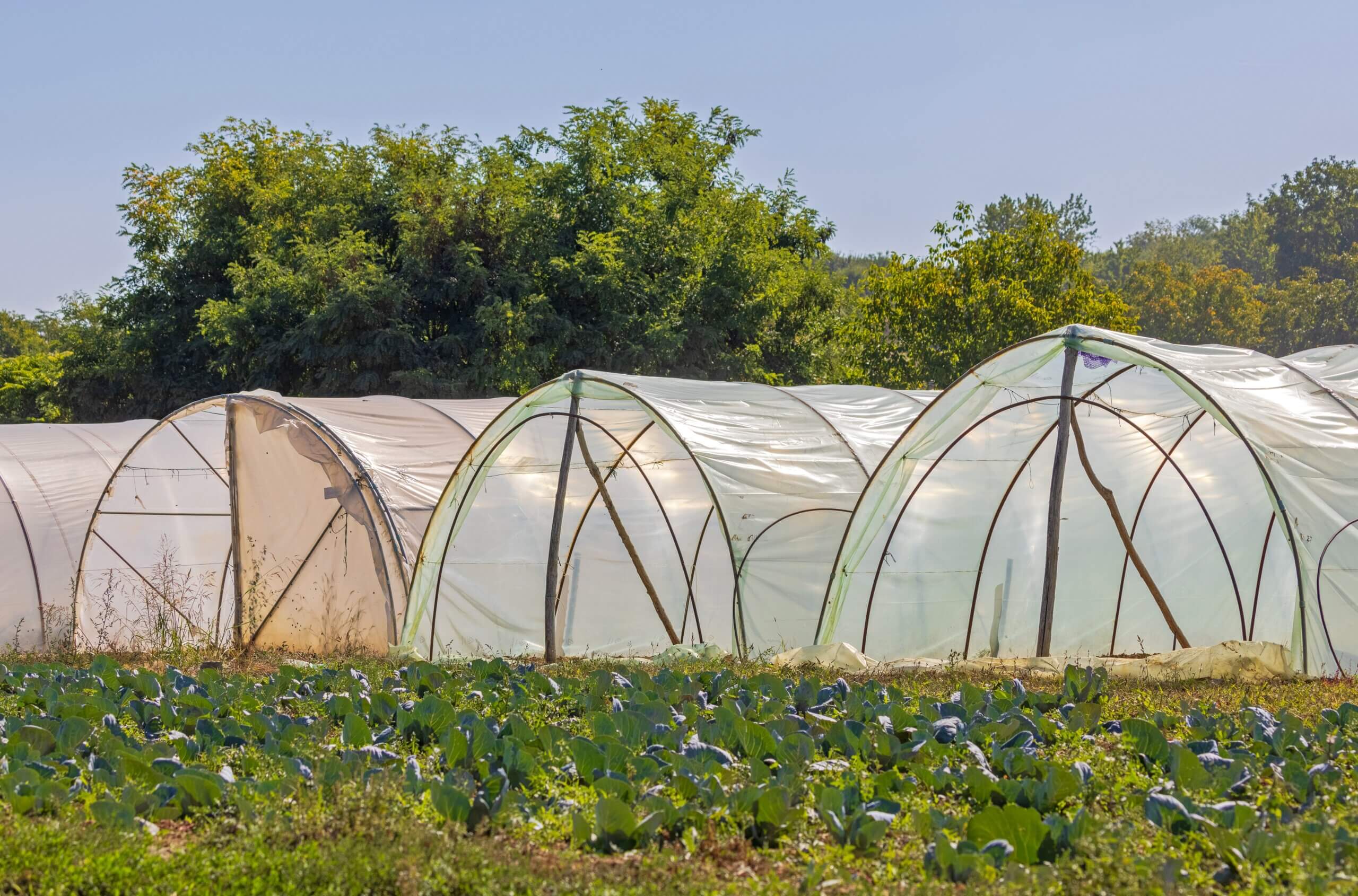
If you need a greenhouse but you’re based in an urban environment where a fixed outbuilding just isn’t practical, you might turn to the humble, sustainable polytunnel. These humble plastic structures are enabling low-scale, sustainable food production. And they’re even a great option for large-scale, industrial farming operations.
Why Urban Farming is a Global Movement
More human beings than ever before now live in the world’s major cities. They’re dependent on food supplied by rural areas, which can lead to food insecurity. At the same time, more consumers than ever before are expressing concerns about the state of the natural world and the impact of food production on it.
It’s for these reasons, and others, that the global urban farming market was valued at around $140 billion in 2023 and is projected to grow to around $181 billion in 2030.
Why Polytunnels Are a Game-Changer
So, what makes polytunnels a good fit for urban farmers? For one thing, they provide a means of insulating crops from harsh weather and thereby extending the growing season. They’re more affordable and practical than greenhouses, too, but you’ll need to ensure that you shop for high-quality polytunnel covers if you want to enjoy these benefits.
Climate Change and Urban Agriculture
Urban agriculture is, in part, a response to climate change. With a greater proportion of the world’s surface now encased in concrete, we need to devise ways to make land productive, which might mean using rooftop spaces and balconies. At the same time, urban agriculture is a means of reducing shipping distances and thereby slashing emissions.
If the food we eat is grown close to where we live, then we can avoid much of the freight traffic that blights urban roads. In some cases, restaurants and other establishments can lead the way by growing a portion of their raw materials on-site. This might help reassure consumers who are concerned about how their food is sourced, too.
Innovations and Policy Support Worldwide
Urban farming represents a considerable challenge. Meeting it might mean developing technical innovations, such as hydroponics and vertical farming, that work alongside polytunnels. Transnational organisations, charities, and initiatives like the FAO’s Green Cities Initiative might play a crucial role in coordinating these efforts.