

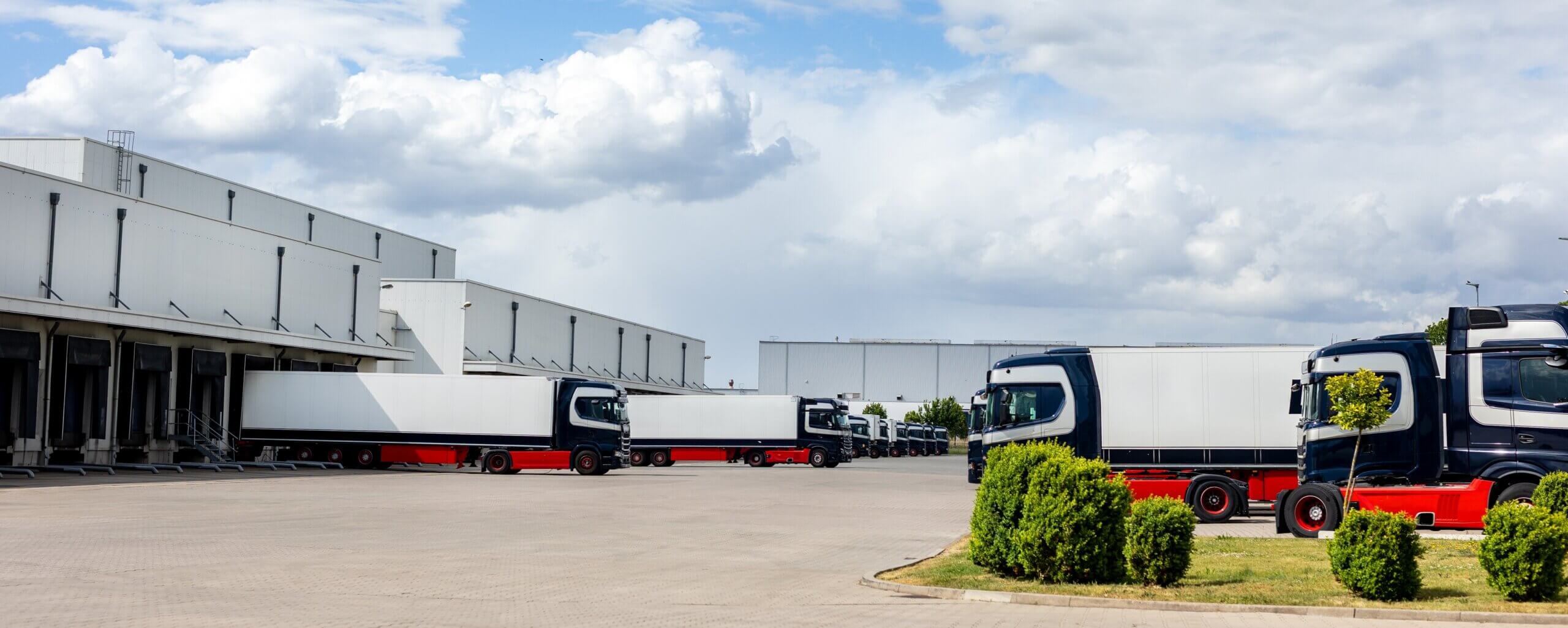
Smarter Freight Systems for Greener Cities
Urban freight networks rarely receive the same attention as passenger transportation, yet delivery trucks, warehouses, and distribution hubs shape daily life in nearly every major city. As populations grow and online commerce expands, municipal leaders are rethinking how goods move through crowded streets without adding more congestion and pollution.
In many regions, smarter freight systems for greener cities have become part of broader sustainability planning because transportation infrastructure now intersects with climate policy, energy efficiency, and public health.
Freight Efficiency Is Becoming an Urban Priority
Congested delivery corridors create more than just traffic delays because idling vehicles increase fuel consumption and place extra strain on aging infrastructure. Many cities now encourage consolidated delivery routes, smaller electric delivery fleets, and strategically located distribution hubs that reduce unnecessary mileage across dense neighborhoods.
Data-driven route planning allows companies to avoid bottlenecks while reducing empty-truck trips, and conversations about smart supply chains and renewable energy increasingly focus on how clean electricity can support distribution centers, charging stations, and warehouse automation. These systems may appear invisible to residents, yet they influence air quality, street safety, and energy consumption across entire urban regions.
Material Reuse Is Reshaping Logistics Operations
Freight sustainability extends beyond vehicle emissions, as packaging materials and shipping equipment generate significant amounts of industrial waste. Warehouses and distribution centers are beginning to prioritize reusable transport materials that remain in circulation for longer periods.
In many industrial sectors, discussions around using recycled pallets in a sustainable supply chain have expanded alongside broader waste-reduction efforts. Reconditioned transport materials reduce lumber demand while keeping usable products out of landfills, and they fit naturally within circular economy models that many cities now promote through environmental initiatives and procurement standards.
At the same time, businesses are paying closer attention to warehouse layouts and shipment coordination because damaged freight, inefficient stacking practices, and unnecessary repackaging create hidden environmental costs throughout the supply chain.
Why Freight Planning Belongs in Sustainability Policy
Urban sustainability conversations frequently focus on public transit, renewable energy, and green buildings, yet freight systems influence each of these sectors directly. A poorly coordinated logistics network increases emissions regardless of how many electric buses or energy-efficient buildings a city develops.
Municipal planners increasingly recognize that cleaner freight systems support broader environmental goals when zoning policies, transportation investments, and industrial operations align. Distribution hubs located near rail corridors or renewable-powered industrial districts can reduce dependence on long-haul trucking while strengthening regional supply resilience.
Building Cities Around Smarter Logistics
The future of smarter freight systems for greener cities will depend on how effectively communities integrate transportation efficiency with sustainability planning. Cleaner vehicles matter, but long-term progress may rely more on coordinated infrastructure, reusable materials, and urban policies that reduce waste across the movement of goods.
As global cities continue adapting to changing consumption patterns, freight networks will remain one of the less visible yet more influential parts of sustainable urban development.