


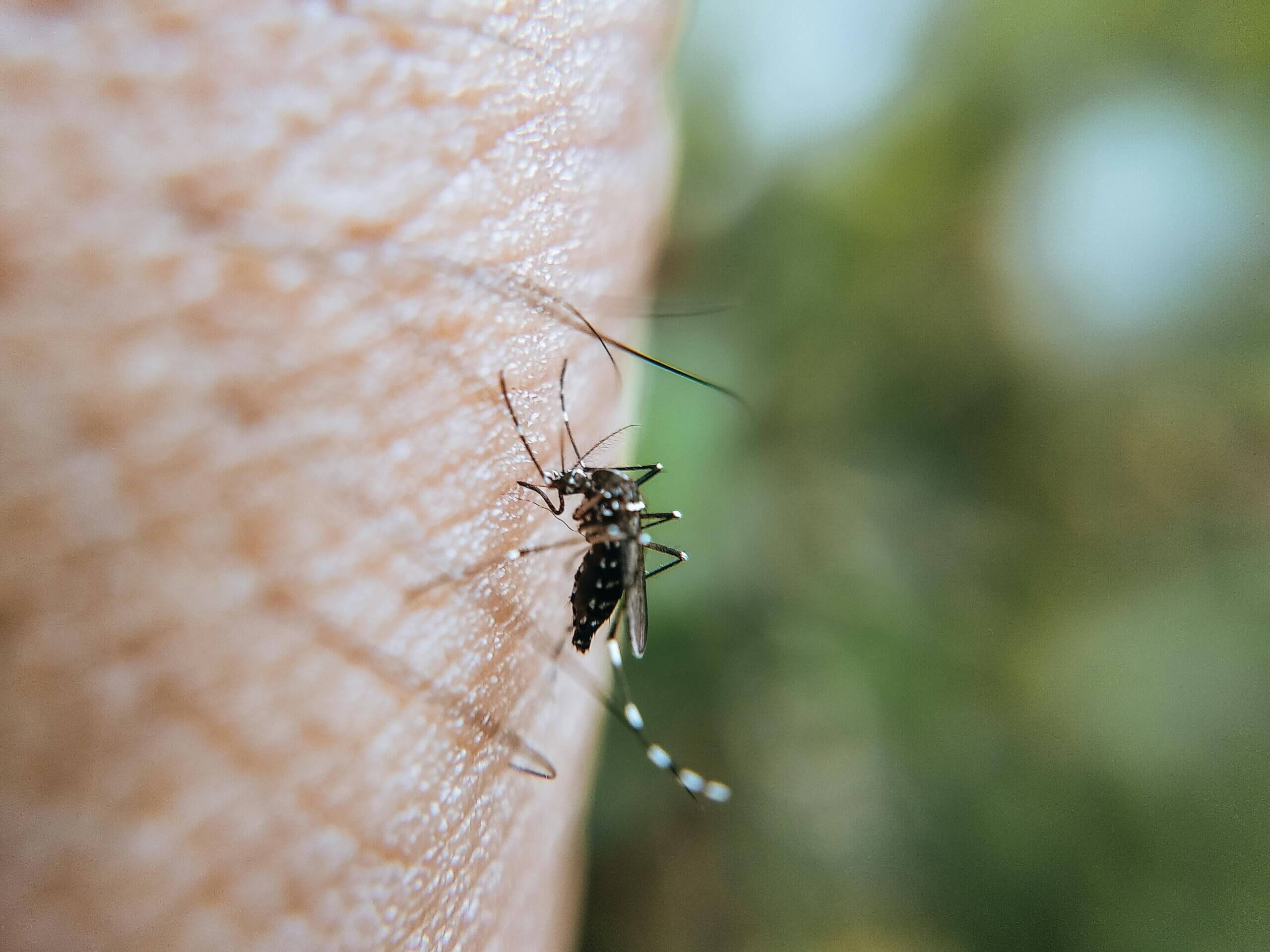
GCT 5 Sustainable Yard Practices to Reduce Mosquito Breeding and Protect Local Ecosystems
Mosquitoes thrive in residential yards because they only need a small amount of standing water and sheltered vegetation to reproduce. A clogged gutter, a neglected birdbath, or dense shrubbery can quickly become ideal breeding and resting sites.
While mosquitoes are often treated as a seasonal nuisance, unchecked populations pose broader environmental and public health concerns. They can spread disease, disrupt outdoor activity, and prompt overuse of chemical sprays that harm beneficial insects and soil health.
The good news is that reducing mosquito activity does not require heavy chemical intervention. Small, sustainable yard adjustments can protect families while also preserving local ecosystems. The following five practices offer practical, eco-conscious steps homeowners can apply immediately to reduce mosquito breeding and create healthier outdoor spaces.
Practice #1: Eliminate Standing Water the Eco-Friendly Way
A. Why Standing Water Is a Mosquito Magnet
Mosquitoes lay their eggs in standing water. Within days, larvae hatch and mature into adults. Because the mosquito life cycle is short and efficient, even small water sources can produce large numbers of insects. Common overlooked breeding spots include:
- Clogged gutters
- Plant saucers
- Tarps and covers that collect rainwater
- Kiddie pools left unused
- Low spots in lawns that retain water
These sources often go unnoticed, yet they provide ideal conditions for rapid reproduction.
B. Sustainable Solutions Homeowners Can Use
Instead of relying solely on sprays, focus first on prevention.
- Improve drainage and grading: Ensure water flows away from foundations and does not pool in low areas.
- Refresh birdbaths and water features regularly: Empty and refill every few days to interrupt the mosquito life cycle.
- Use rain barrels properly: Install tight-fitting lids and fine mesh screens to prevent mosquitoes from accessing stored water.
By eliminating standing water, homeowners remove the primary breeding ground rather than treating the symptoms.
Practice #2: Landscape With Native and Low-Maintenance Plants
A. How Plant Choice Affects Mosquito Activity
Mosquitoes prefer shaded, humid environments where they can rest during the heat of the day. Dense, overgrown vegetation creates pockets of moisture and still air that attract them. While greenery is beneficial for ecosystems, balance matters. Thick hedges pressed tightly against walls and poorly maintained shrubs can increase mosquito activity.
B. Benefits of Native Plants
Native and low-maintenance plants support healthier ecosystems while reducing mosquito-friendly conditions. They:
- Require less water and irrigation
- Thrive without heavy chemical fertilizers
- Support pollinators and beneficial insects
- Improve airflow when properly spaced
Choosing native species also reduces reliance on pesticides that can harm non-target species. A thoughtfully designed yard can remain lush without creating hidden mosquito harborage.
Practice #3: Maintain a Healthy Lawn and Garden Naturally
A. Why Yard Maintenance Matters
Tall grass, leaf piles, and untrimmed shrubs provide shelter for adult mosquitoes. Moist organic matter, especially when left undisturbed, can retain humidity and support breeding nearby.
Yard neglect does not just affect aesthetics. It changes microclimates within the landscape, creating ideal mosquito resting zones.
B. Eco-Conscious Maintenance Tips
Sustainable maintenance supports both mosquito reduction and soil health.
- Trim grass and shrubs regularly: Maintain airflow and reduce damp hiding spots.
- Compost yard waste properly: Keep compost piles covered and turned to prevent moisture buildup.
- Use mulch in moderation: Excessive mulch can retain moisture. Apply thin layers and avoid piling against foundations.
These practices improve overall yard health while making the environment less attractive to mosquitoes.
Practice #4: Encourage Natural Predators in Your Yard
A. The Role of Natural Ecosystems in Pest Control
Birds, bats, dragonflies, and certain beneficial insects feed on mosquitoes at various life stages. Supporting these natural predators reduces reliance on chemical solutions. When ecosystems are balanced, pest populations are less likely to surge uncontrollably.
B. Simple Ways to Attract Helpful Wildlife
Homeowners can promote biodiversity with simple steps:
- Install bird-friendly landscaping with native shrubs and nesting areas.
- Add pollinator plants that attract beneficial insects.
- Avoid broad-spectrum insecticides that kill both pests and helpful species.
Creating habitat for natural predators strengthens the yard’s built-in pest management system. Over time, this approach supports long-term mosquito reduction without ecological harm.
Practice #5: Use Targeted, Environmentally Responsible Mosquito Prevention Methods
A. Why Overusing Chemicals Can Harm Local Ecosystems
Blanket spraying of insecticides can damage soil health, contaminate water sources, and harm pollinators. Broad-spectrum chemicals often affect beneficial insects alongside mosquitoes, disrupting the balance of local ecosystems. Excessive chemical use may also lead to resistance, making mosquito populations harder to control in the long term.
B. Smarter Prevention Approaches
A more sustainable strategy involves targeted interventions.
- Focus treatments on known breeding areas rather than entire yards.
- Time applications carefully to minimize impact on pollinators.
- Combine homeowner prevention steps with professional expertise when needed.
When homeowners seek support, choosing providers that emphasize responsible and targeted mosquito control methods can help align pest management with environmental stewardship. Integrated approaches are more effective and less harmful than relying on repeated spraying.
How Sustainable Yard Practices Support Healthier Communities
Sustainable yard care contributes to healthier neighborhoods overall. By minimizing standing water and encouraging biodiversity, homeowners:
- Reduce reliance on chemical solutions
- Create safer outdoor spaces for families and pets
- Support pollinators and beneficial insects
- Improve soil and water quality
- Contribute to a healthier local ecosystem
When many households adopt these practices, community-wide mosquito pressure decreases. This collective impact reduces the need for aggressive treatments and strengthens neighborhood environmental resilience.
Protect Your Yard Without Harming the Planet
Mosquito control does not have to come at the expense of the environment. These five sustainable practices offer practical steps that can be implemented immediately.
Over time, they build a healthier outdoor space that supports biodiversity and reduces chemical dependence. Responsible mosquito prevention is not just about comfort. It is about preserving the balance of the ecosystems we live in every day.