


Teaching Sustainability to Children: Simple Activities That Build a Lifelong Love of the Planet
Most kids don’t need a lecture about the environment — they need a reason to care. And honestly, that reason is usually right outside the back door: a worm in the dirt, a puddle after the rain, a bird building a nest in the gutter. Sustainability sticks best when it grows out of moments like these instead of being handed down as a rulebook of dos and don’ts.
Governments and big organizations matter too, of course. But a lot of the real groundwork happens much closer to home — at the kitchen table, in the backyard, in a classroom with a half-grown bean plant on the windowsill. Kids who get to fall in love with nature early tend to carry that with them. It shapes how they think about the world for decades.
Why This Stuff Actually Matters
Kids are nosy about the world in the best way. They want to know why the sky changes color, where the ants are marching to, what happens to a banana peel after it’s tossed in the bin. That curiosity is basically a free entry point into ideas like recycling, conservation, and where our resources actually come from — you don’t have to manufacture the interest; it’s already there.
Once sustainability becomes part of ordinary life rather than a special topic, kids start connecting dots on their own: turning off a light, not running the tap forever, choosing a tree over another patch of pavement. None of it feels heroic to them — it just feels normal. And that’s exactly the point. Habits formed that early have a way of sticking around.
Stories and Hands-On Learning Beat Lectures Every Time
Nobody — kid or adult — learns much from being talked at. Stories, games, little science experiments, the occasional quiz: these are what actually stay with a child, because they’re fun enough to want to repeat.
If you’re hunting for environmental education resources for children, Kids World Fun has a solid stash of stories, games, quizzes, videos, and printable activities that cover sustainability in ways that don’t feel like homework.
There’s also something to be said for letting kids ask their own questions instead of just feeding them facts. When a child wonders out loud why the river near their school looks murky, that’s a far stickier lesson than any worksheet could be.
Why Stories in Particular Work So Well
A good story can do something a fact sheet never will: make a child feel for something other than themselves. A character who watches a forest disappear, or a turtle tangled in plastic, teaches empathy in a way that statistics just can’t match.
Kids World Fun’s collection of environmental stories for children covers themes like kindness to animals, caring for the Earth, and taking responsibility — written in a way that lands for different ages without feeling preachy. Often the best part is what happens after the story ends, when kids start asking questions and want to keep talking about it.
Everyday Things Families Can Actually Do
Reading about sustainability is one thing. Doing something about it is what makes it real. The good news is none of this requires a major life overhaul — small, repeatable habits go a long way:
- Grow something — herbs in a windowsill pot count just as much as a backyard garden.
- Let kids sort the recycling themselves, even if they get it wrong sometimes.
- Turn old jars, boxes, or fabric scraps into craft projects.
- Join a neighborhood or school clean-up day.
- Go for a slow walk and just notice — birds, bugs, weeds pushing through cracks.
- Turn the tap off while brushing teeth instead of letting it run.
- Flip off lights and unplug devices that aren’t being used.
- Carry a reusable bag or water bottle instead of grabbing a new one each time.
None of these are grand gestures. That’s the whole point — sustainability isn’t a once-a-year event; it’s a stack of small choices repeated often enough that they stop feeling like choices at all.
Schools Have a Bigger Role Than People Often Realize
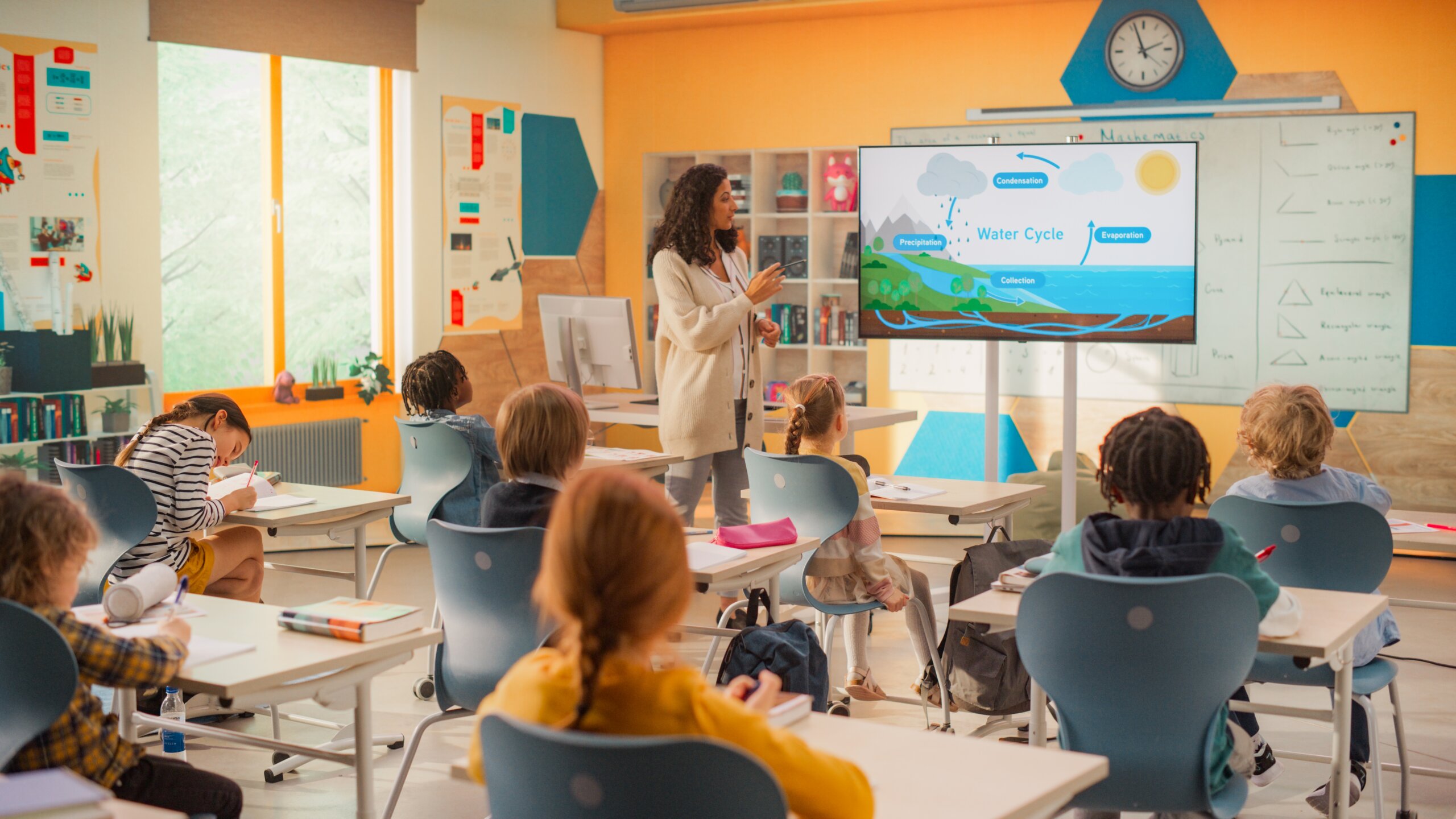
Classrooms are a natural fit for this kind of learning, and not only in science class. A persuasive essay about conservation works just as well in language arts. Recycled materials make for genuinely interesting art projects. Even math lessons can dig into energy use or waste data in ways that feel surprisingly relevant.
School gardens, recycling drives, Earth Day events, eco-clubs — these give kids something to do with their hands, not just their heads, and they tend to build teamwork along the way.
When schools and families are pulling in the same direction, kids get a consistent message instead of mixed signals, and the habits formed in one place tend to follow them into the other.
Raising Kids Who Actually Care
The environmental problems ahead will require people who are informed, can think it through, and actually care enough to act. Teaching kids about sustainability now isn’t about guilt or doom — it’s about giving them the tools to make better calls later, when the stakes are higher, and the decisions are theirs to make.
Whether it’s a bedtime story, a science project, an afternoon outside, or just remembering to switch off a light, it all adds up. None of it needs to be dramatic.
Raising kids who care about the planet doesn’t start with a big plan. It starts with curiosity, a bit of patience, and a handful of small habits repeated often enough to become second nature — for them, and eventually for the world they’ll be responsible for.