


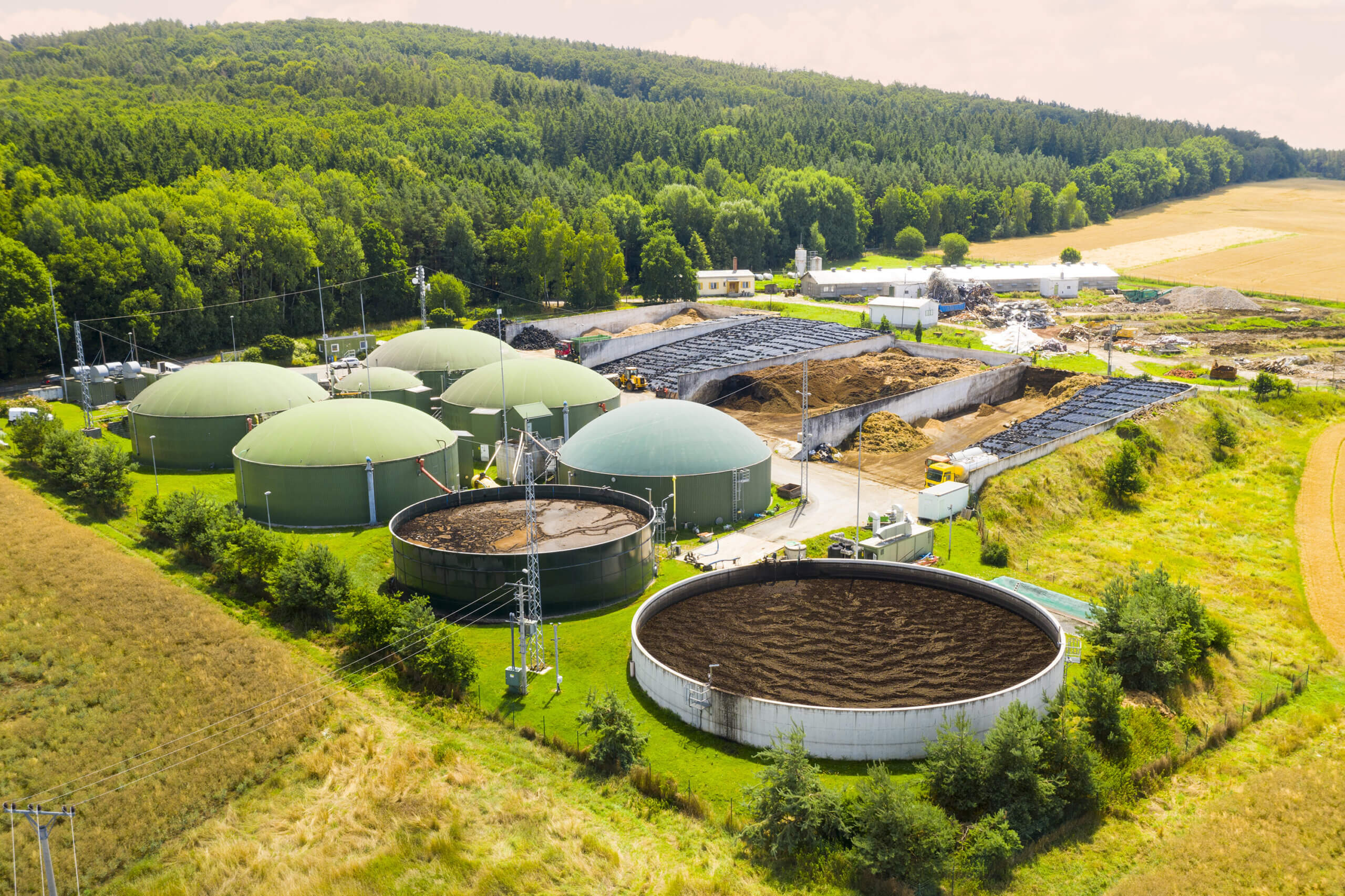
How to Unlock the Benefits of Anaerobic Digestion Efficiently
Anaerobic digestion offers a practical way to turn organic waste into energy and useful soil products. It supports renewable energy goals while reducing landfill use and emissions. At the same time, it helps address food waste and long-term climate challenges. When systems run smoothly, the benefits of anaerobic digestion extend across energy production, waste management, and agriculture.
What Anaerobic Digestion Actually Does
At its core, anaerobic digestion relies on natural biological activity. Microorganisms break down organic material in a sealed environment without oxygen. This process occurs in anaerobic digesters, which control temperature and moisture to maintain stable conditions.
As food waste and other organic materials decompose, two outputs are created. The first is biogas, which contains methane and carbon dioxide. The second is digestate, a nutrient-rich material left behind after digestion. Biogas can be used directly for energy production or refined into renewable natural gas. Digestate can be applied to land to support soil health.
The Benefits of Anaerobic Digestion for Energy and Emissions
Energy output and emission reduction sit at the center when talking about the benefits of anaerobic digestion systems. These two outcomes work together and reinforce each other.
Renewable Energy From Organic Waste
Organic waste holds stored energy. Anaerobic digestion makes that energy usable. Instead of relying on fossil fuels, communities can produce renewable energy from food waste and other organic inputs.
Biogas production runs on a steady schedule. It doesn’t depend on sunlight or wind patterns. When upgraded to renewable natural gas, this fuel can heat buildings, generate electricity, or power vehicles. Each use helps lower demand for fossil fuels and strengthens the supply of renewable energy sources.
Reducing Greenhouse Gas Emissions
When organic waste breaks down in landfills, methane escapes into the atmosphere. That methane traps heat more effectively than carbon dioxide.
Anaerobic digesters capture this gas before it spreads. By controlling the process, operators reduce greenhouse gas emissions while putting methane to work. Over time, this approach helps reduce the carbon footprint associated with food waste and organic waste disposal.
Anaerobic Digestion as a Waste Management Solution
Waste handling changes when digestion systems are involved. Food waste no longer moves straight to landfills. Instead, it becomes a useful input.
> Diverting organic material supports sustainable waste management practices
> Reduces pressure on landfill space and lowers long-term disposal costs
> Supports a circular economy where waste serves a purpose rather than becoming a burden
Benefits for Agriculture and Soil Systems
The value of anaerobic digestion continues once energy production ends. Digestate plays a direct role in land management and farming.
Soil Amendments That Improve Soil Health
Digestate contains organic matter and nutrients that soils need. When applied correctly, it works as a soil amendment that supports microbial life and improves soil structure.
Better soil structure allows water to move more evenly through the ground. Nutrients remain available longer, and erosion risk declines. These changes support soil health across multiple growing seasons.
Effects on Crop Productivity
Healthier soils often lead to stronger crop productivity. Digestate releases nutrients more slowly than many synthetic fertilizers. That steady release helps crops absorb what they need without excess runoff.
Farmers may also reduce fertilizer costs and limit nutrient runoff into nearby waterways. Over time, these gains support both yields and environmental balance.
Where Anaerobic Digesters Fit in Energy Production
Anaerobic digestion complements other renewable energy systems. It fills gaps where solar and wind energy may fluctuate.
Because digesters produce energy on a predictable schedule, they help stabilize local energy supplies. This reliability supports grid planning and local energy independence. Food processing facilities and farms often add value by generating energy from their own waste streams, reducing disposal costs and improving efficiency.
Factors That Improve Anaerobic Digestion Efficiency
Strong performance depends on both planning and daily operation. Small choices can shape long-term results.
Feedstock Selection and Consistency
Not all food waste behaves the same way. Consistent feedstock helps maintain stable microbial activity inside digesters.
> Poor-quality inputs or contaminated materials can slow gas production
> Careful sorting and balanced mixtures help keep systems running smoothly and protect equipment
System Design and Ongoing Operation
 Digester size must match waste volume. Systems that are too large waste resources, while smaller systems struggle to keep up.
Regular monitoring also matters. Tracking temperature, gas output, and mixing patterns helps catch issues early. These steps support steady energy production and extend system life.
Broader Environmental and Economic Effects
Anaerobic digestion supports wider environmental goals. Lower greenhouse gas emissions reduce strain on climate systems. Less landfill use lowers long-term environmental risk.
Communities also see economic benefits. Renewable energy projects create local jobs and keep energy spending close to home. Over time, these systems support both environmental stability and regional growth.
Conclusion
Anaerobic digestion offers a clear path to improved waste management, renewable energy production, and healthier soils. When systems operate efficiently, the benefits of anaerobic digestion include lower emissions, reduced reliance on fossil fuels, and improved agricultural outcomes. Together, these results show how organic waste can support a more balanced and sustainable future.