

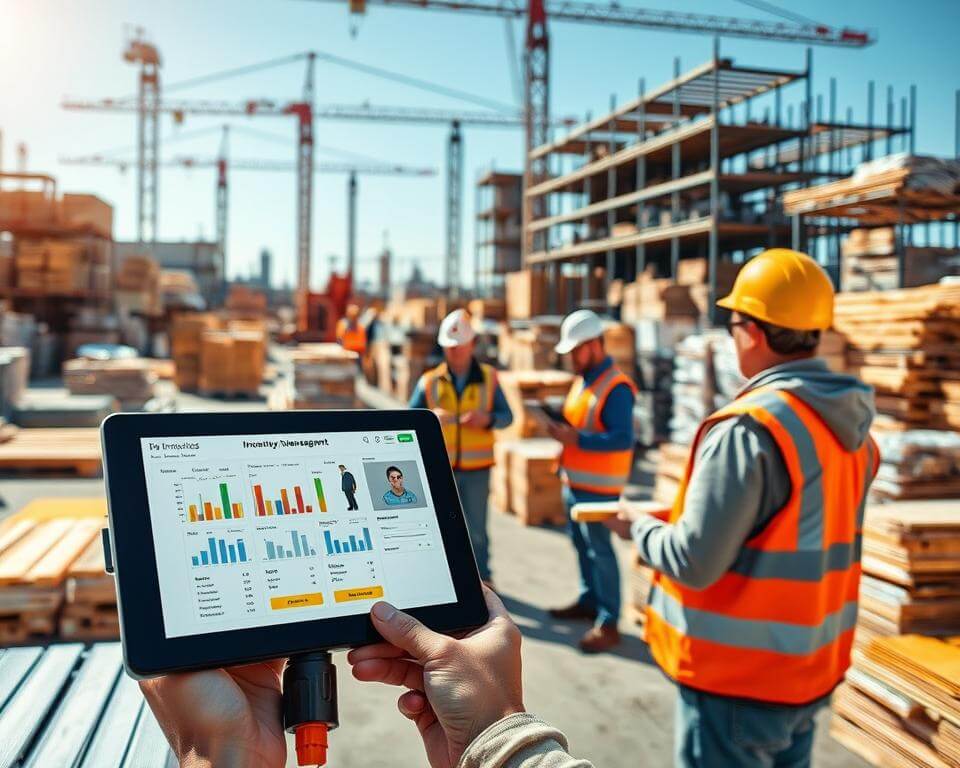
How Digital Technologies Help Reduce Construction Waste
Kadri Lajal / Remato.com
Construction waste affects project costs, productivity, environmental performance and site safety. Although people often think of waste as broken materials placed in a skip, the real meaning is much wider. Waste can include damaged materials, unnecessary work, lost time, unused machinery, excess energy, and money spent without adding value to the project.
As the industry develops, construction technology is playing a growing role in solving these problems. Digital products or apps can help site crews plan more accurately, communicate more clearly, manage resources better and identify mistakes before they become expensive. This makes digital tools an important part of both construction waste management and sustainable construction.
What is waste on the construction site?
When you hear the term construction waste, what do you think of?
For many people, the first image is a skip filled with broken bricks, timber offcuts, damaged plasterboard, packaging, or surplus concrete. These are all examples of waste, but they represent only one part of the problem.
Construction waste can be defined as anything that uses materials, time, labour, equipment, energy, or money without adding value to the project. This means waste may be physical and easy to see, but it can also be hidden within everyday site activities.
Understanding this wider definition is essential for effective construction waste reduction.
Types of waste on a construction site
Material waste
Material waste includes physical products that are damaged, discarded, unused, or no longer required.
Examples:
- broken bricks and blocks
- timber, cable, and pipe offcuts
- surplus concrete or mortar
- damaged plasterboard
- unused materials
- packaging
- materials damaged by weather or poor storage
Materials can also become waste because of poor storage. Plasterboard may be damaged by rain, cement may become unusable if it is exposed to moisture, and fittings may be broken if they are moved or handled incorrectly.
Over-ordering is another common source of material waste. A project may purchase more bricks, cable, insulation, or concrete than it actually needs. Some surplus materials can be returned, reused, or transferred to another site, but others may eventually be thrown away.
Rework
Rework means correcting, removing, or completing work again because it was not done correctly the first time.
Examples:
- a wall built in the wrong position
- electrical sockets installed at the wrong height
- holes drilled in the wrong place
- cables or pipes installed where another service must pass
- work completed using an outdated drawing
Rework wastes more than materials. It also consumes labour, equipment time, energy, and transport. In some cases, one mistake can affect several trades. For example, if a wall is built incorrectly, electricians, plumbers, plasterers, and decorators may all need to repeat parts of their work.
Reducing rework is therefore one of the most effective construction waste solutions.
Rework wastes materials and also wastes workers’ time.
Wasted time and resources
Not all construction waste is visible. Workers may spend time waiting for materials, instructions, access, or equipment. They may search for tools, move materials several times, or repeat tasks because information is unclear.
Examples:
- workers waiting for materials
- searching for tools
- moving materials several times
- machinery standing unused
- ordering tools or materials already available on site
- delays caused by poor communication
These activities do not always create physical waste, but they reduce productivity and increase project costs. Waste can therefore include wasted time, labour, equipment, energy and money, as well as discarded materials.
Why does waste happen?
There are many possible causes, but five appear repeatedly on construction projects:
- Poor planning
- Incorrect measurements
- Poor communication
- Ordering too much material
- Discovering mistakes too late
These problems are often connected. Poor planning may lead to incorrect orders, while poor communication may cause workers to use the wrong drawing. Incorrect measurements can lead to unusable components, and mistakes discovered late usually require more demolition and rework.
This is where digitalization in construction can make a significant difference. Digital systems give teams access to more accurate and timely information. They can help workers identify problems earlier, coordinate activities, and make better decisions before materials and time are wasted.
Digital technologies that reduce waste
Digital drawings and BIM
Digital drawings help workers access the most recent project information through computers, tablets, or smartphones. This reduces the risk of someone using an old paper drawing after the design has changed.
Building Information Modelling, commonly known as BIM, takes this further. BIM creates a digital model of a building that may include dimensions, materials, quantities, schedules, and the locations of different building elements.
BIM can help teams identify conflicts before construction begins. For example, the model may show that a cable tray passes through a ventilation duct or that a drainage pipe clashes with a structural beam. Finding this problem digitally is far less wasteful than discovering it after both services have been installed.
As one of the most important digital construction tools, BIM can reduce ordering mistakes, incorrect construction, clashes between trades, and rework.
Digital measurement
Accurate measurement is essential in construction. Even a small error can result in materials being cut incorrectly or work being installed in the wrong position.
Digital measurement systems include laser distance meters, laser levels, total stations, and scanning equipment. These tools improve accuracy and can help workers check completed work before an error becomes difficult to correct.
For example, a bricklayer may use a laser level to check the height and alignment of a wall. An electrician may use digital measurements to calculate cable lengths more accurately. A site engineer may use scanning equipment to compare completed work with the design.
They reduce:
- measurement errors
- incorrect cutting
- walls or services being installed in the wrong position
- unnecessary material use
They demonstrate how digital construction can support practical decision-making directly on site.
Digital inventory and tool tracking
Digital inventory and tool-tracking systems help construction companies understand what resources are available, where they are located, and who is using them.
Digital tools for construction crews like Remato can help record tools, equipment, workers, and site activities.
They reduce:
- lost tools
- duplicate purchases
- time spent searching
- unnecessary equipment
- poor maintenance
- uncertainty about what is available on site
For example, before ordering another drill, a supervisor can check the system and discover that one is already available in another part of the site. A company may also identify equipment that needs maintenance before it breaks down and delays the work.
This type of technology supports better resource management and contributes to sustainability in construction management by helping companies use existing tools and equipment more efficiently.
Digital photos and communication
Smartphones and tablets allow workers to record completed work, defects, deliveries, damage, and hidden installations.
Photographs can be especially useful for work that will later be covered. For example, an electrician can photograph cable routes before a wall is closed. Later, another worker can use the record to avoid drilling into hidden services.
Digital communication platforms or apps also allow drawings, questions, approvals, and defect reports to be shared quickly. This reduces misunderstandings and helps problems reach the right person before they become more serious.
When used properly, these systems reduce disputes, late discoveries, communication errors, and unnecessary rework.
The Role of Digital Technology in Sustainable Construction
Current construction technology trends increasingly focus on collecting and sharing accurate project information. However, technology does not reduce waste automatically. A digital system is only useful when the information is correct, workers understand how to use it, and companies act on what the data shows.
The strongest results come when digital tools are combined with practical experience, good planning, clear responsibilities, and effective teamwork.
Technology should support the people delivering the project rather than create unnecessary administration. A simple tool that solves a real site problem may be more valuable than an advanced platform that workers do not use.
Conclusion
Construction waste is much more than material placed in a skip. It also includes wasted time, labour, equipment, energy, and money.
Many forms of waste are caused by poor planning, inaccurate measurements, over-ordering, late decisions, and weak communication. Digital tools can help address these problems by improving measurement, planning, coordination, resource tracking, and access to information.
Digital technology does not eliminate waste by itself. It gives construction professionals better information so they can make better decisions, prevent mistakes, and get the work right the first time. When supported by skilled workers and good management, it can become a powerful part of more efficient and sustainable construction.