

The Role of Electric Vehicles in Shaping Sustainable Cities
As cities worldwide grapple with climate change, population growth, and traffic congestion, electric vehicles (EVs) are emerging as a key component of the sustainable urban puzzle. From reducing greenhouse gas emissions to transforming urban design, EVs are helping cities become cleaner, smarter, and more livable for everyone.
Reducing Emissions and Improving Air Quality
One of the most compelling reasons for integrating electric vehicles into city transportation systems is their potential to drastically cut emissions. Traditional gasoline and diesel engines release significant amounts of carbon dioxide and nitrogen oxides into the atmosphere, contributing to climate change and poor air quality.
EVs, powered by electricity rather than fossil fuels, produce zero tailpipe emissions, meaning they can dramatically reduce the pollution that plagues densely populated urban areas.
In cities where air quality has historically been a health concern, EV adoption can mean fewer asthma attacks, lower rates of respiratory illness, and an overall healthier population. As more residents and fleets switch to electric vehicles, the cumulative reduction in smog and particulate matter can make once-smoke-choked streets feel cleaner and more vibrant.
Supporting Renewable Energy Integration
Although electric vehicles are only as clean as the electricity that powers them, they offer a unique opportunity to couple transportation with renewable energy. Solar, wind, and other renewable energy sources continue to grow in capacity across cities and states, and EV charging infrastructure can be strategically aligned to leverage this cleaner energy.
Smart charging systems can help balance grid demand, charging vehicles when renewable output is high and reducing strain during peak hours. In this way, EVs do more than reduce tailpipe emissions—they help shift the entire energy consumption profile of urban areas toward sustainability.
Rethinking Urban Infrastructure
Electric vehicles are not just replacing traditional cars; they are reshaping cities’ infrastructure. As EV adoption increases, city planners are reimagining streetscapes, parking areas, and public spaces to support electric mobility.
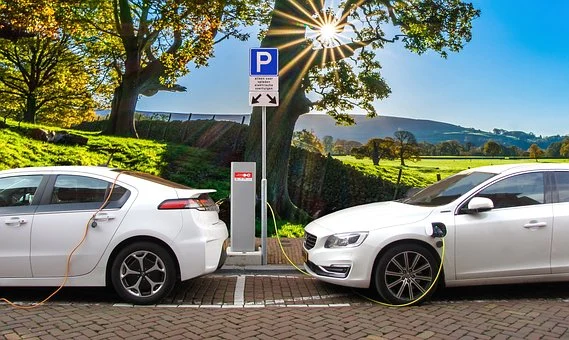
Charging stations are becoming as essential as gas pumps once were, and their integration into public parking facilities, workplaces, and residential areas encourages more people to choose electric options. Some cities are even incorporating wireless charging lanes or dedicating zones for electric car-sharing services, reducing the need for private vehicle ownership altogether.
Enhancing Public Transit and Shared Mobility
Sustainable cities don’t rely solely on private cars, electric or otherwise. The future of urban mobility includes a blend of public transit, walking, cycling, and shared transportation services. Electric buses, scooters, and ride-share fleets help fill gaps in traditional transit systems while keeping emissions low.
When these services are electric from the ground up, the environmental benefits multiply. Residents can hop on an electric bus to work, use an electric scooter for short errands, and plug in their personal EV at home—all without contributing to local air pollution. This level of integration makes sustainable living more practical and attractive.
Encouraging Local Innovation and Economic Growth
The shift toward electric vehicles also creates opportunities for innovation and economic development within cities. From EV manufacturing and battery recycling facilities to tech startups focused on charging solutions and fleet management software, the EV ecosystem fosters job creation and the development of new industries.
Partnerships between municipalities, private companies, and communities can accelerate the deployment of EV infrastructure and related services. For example, dealerships like Ford Electric Vehicles in Los Angeles are helping drivers access the latest electric models, encouraging broader adoption across diverse neighborhoods.
Driving Toward a Sustainable Future
Electric vehicles are more than a trend—they’re a transformative force in the evolution of sustainable cities. By reducing emissions, integrating with clean energy, reshaping infrastructure, and supporting innovative mobility solutions, EVs are helping urban environments become healthier, more efficient, and more equitable.
As technology advances and adoption grows, electric vehicles will continue to play a central role in creating cities that work better for both people and the planet.