

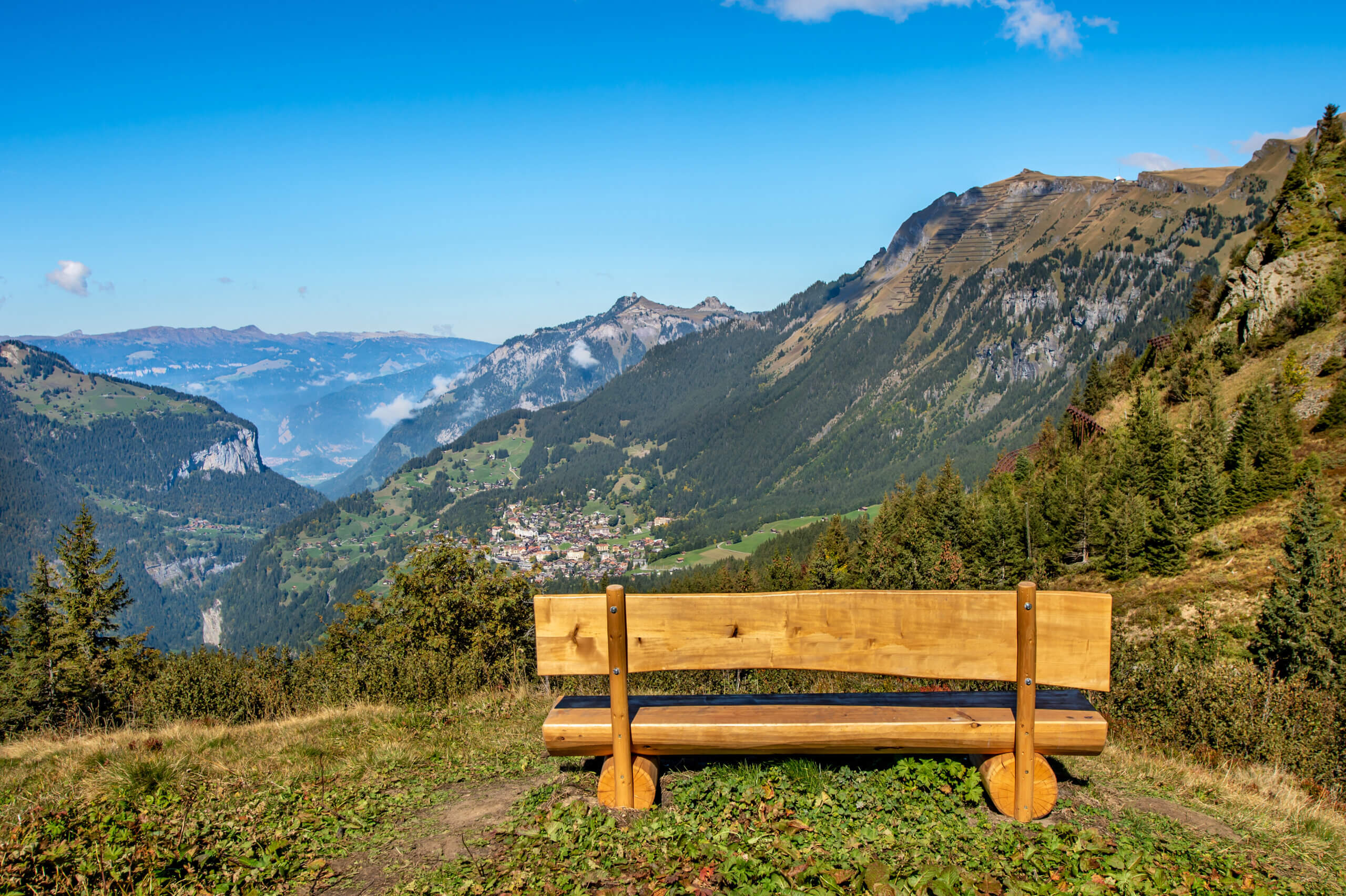
The Urban Lumber Movement Turning Storm-Damaged Trees Into Park Infrastructure
After a storm rolls through, you might picture that fallen oak at the curb heading straight for a chipper or a landfill. However, a growing number of cities see something different in the wreckage. The urban lumber movement is turning storm-damaged trees into park infrastructure, treating each downed trunk as a resource instead of trash.
Why Storm-Damaged Trees Don’t Need to End Up as Mulch
Although mulch may feel like the greener choice for cleaning up storm-damaged trees, it decomposes quickly and releases stored carbon back into the air. Because crews chip, burn, or landfill most downed city wood, that lost carbon can add up fast.
Cities also face a practical snag: they often produce more chips than they can use and run short of places to put the extra. That surplus has pushed some planners to find better uses for the timber.
Portland Gives a Historic Elm New Life as Park Benches
Under its Heritage Tree program, Portland has designated over 300 landmark trees prized for their age, size, or history. The very first, an American elm landmarked in 1973, eventually became Heritage Tree #1 and earned the nickname the Burrell Elm.
Storms took a steady toll on that elm, with a major branch falling in 2017 and two more dropping during the winter of 2024. By then it had lost nearly half its canopy, so crews removed it in August 2024 to keep the public safe.
Instead of chipping the trunk, the city teamed up with Rescued Oregon Timber, a local sawyer that milled two large logs into lumber. Oregon Canadian Forest Products then kiln-dried the boards at no charge. Thanks to that gift, city carpenters now handcraft benches for community centers, starting with Mt. Scott in April 2026.
Austin Turns Storm-Felled Cypress Into Trailside Benches
Austin has taken a similar path through a local sawmill that built its business around trees felled by storms, drought or development. The mill has been creating park benches from salvaged wood, including custom cypress seats for a new pedestrian bridge that nod to the neighborhood’s cultural heritage. It has also supplied lumber for dozens more benches along a popular hike-and-bike trail.
Anything left outside faces years of sun and rain, so the choice of wood species matters as much as the story behind it. Cypress suits trailside seating well because it offers excellent durability and moisture resistance and resists insects. Cedar and white oak earn similar praise for outdoor use.
New York City Rebuilds Wagner Park With Salvaged Wood and Stone
Park infrastructure can stretch well beyond seating, as Lower Manhattan’s Wagner Park demonstrates. After years of flooding and one major hurricane, the waterfront space needed a serious overhaul.
Designers worked to reinforce 3.5 acres with reclaimed wood, stone and drainage materials from the original park. They also wove flood barriers and stormwater-capture features into the landscape so it could better withstand the next big storm.
Seen next to the benches in Portland and Austin, the project shows how much reuse can reshape a civic space. It also raises the question of how much timber cities could rescue if more of them tried.
The Real Payoff of Keeping Urban Wood Out of the Chipper
National estimates suggest cities are leaving a surprising amount of lumber untapped, a gap that looks even more prominent beside the mountain of waste the building industry produces. The following two figures hint at how far the benefits could stretch with similar urban wood programs:
- Lumber potential: If communities nationwide harvested and sold every tree they removed, they could produce nearly 4 billion board feet of timber, boosting local economies. Realistically, not all of that wood would be usable, so the total would be lower.
- Construction waste: Builders across the country generated roughly 600 million tons of construction waste in 2018, about twice the volume of ordinary municipal trash. Salvaged wood and other reclaimed materials give projects one practical way to shrink that pile.
Across Portland, Austin and New York City, local sawyers, city departments and community groups seem to have chosen collaboration over disposal. Seeing a downed tree as a civic asset instead of a liability may explain why more communities are taking notice.
Your Neighborhood’s Next Park Bench Might Already Be Growing
When a tree in your neighborhood eventually comes down, it could earn a second life with its stored carbon still tucked inside. Imagine the pride your neighbors might feel when that bench becomes the spot where everyone gathers.
You can check if your city has an urban wood reuse program or learn how your local public works teams handle downed trees.