


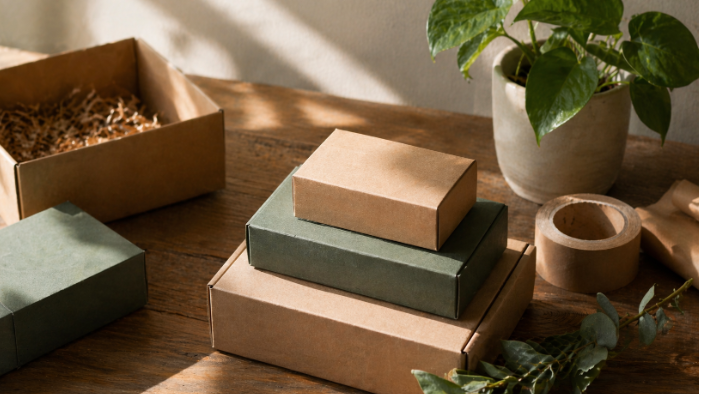
How Eco-Friendly Packaging Is Possible Without High Price Tags
Nowadays, everyone has started thinking about the environment. Whether you are a shopkeeper, a small business owner, or a large corporation, one question inevitably crosses everyone’s mind: Is adopting eco-friendly packaging really that expensive? According to a report, the global eco-friendly packaging market was valued at approximately $237 billion in 2023 and is projected to surpass $385 billion by 2030.
Furthermore, a Nielsen study indicates that 73% of consumers are willing to change their purchasing habits if they know the packaging is environmentally friendly. In other words, the market is shifting, and you do not have to empty your pockets to be a part of this change.
The Fear of Expensive Packaging: Why People Hold Back
Many small business owners assume that eco-friendly automatically means expensive. This line of thinking is understandable, as new things often seem a bit unfamiliar at first. However, the truth is that this fear stems primarily from a lack of information.
Misconception #1: Only Large Corporations Can Do It
You might assume that eco-friendly packaging is something only major players like Flipkart or Amazon can pull off. But this simply isn’t true. Many small brands right in your own vicinity are already doing it, and doing so without a massive budget.
Misconception #2: Recycled Materials Are Flimsy
Some people believe that packaging made from recycled materials lacks durability. In reality, the quality of modern recycled paper and kraft board is excellent. Your products will remain secure, and you’ll save money in the process.
Eco-Friendly Packaging on a Budget: Practical Strategies
Now, let’s get down to the practicalities. Here are several ways you can become environmentally responsible without derailing your budget:
1. Use Kraft Paper and Newsprint
Kraft paper is both affordable and biodegradable. Whether it is clothing, books, handicrafts, or food items, everything can be packed into it with ease. Buying in bulk makes it even more economical. It possesses a unique, rustic charm that appeals to customers.
2. Embrace Minimalist Packaging
Less packaging means lower costs and less waste. Design your packaging specifically to suit your product’s requirements; eliminate anything that isn’t essential. This will reduce your operational costs and give your brand a clean, streamlined appearance.
3. Source Materials from Local Suppliers
Cities like Delhi, Mumbai, and Surat now host numerous suppliers offering eco-friendly packaging materials at affordable rates, including options like shoulder neck rigid boxes made from recyclable or sustainable materials. These boxes are especially useful for premium products while still maintaining an eco-conscious approach. Sourcing locally also saves on transportation costs and ensures faster delivery of supplies.
4. Opt for Reusable Packaging
Packaging materials such as cloth bags, jute totes, or tin containers are items that customers tend to reuse multiple times. The advantage of this is that it serves as a daily reminder of your brand for the customer. It effectively functions as a form of subtle, organic marketing.
Customers Are On Board: A Welcome Revelation
You will be truly delighted to learn that today’s consumers have a strong preference for eco-friendly packaging. Research by Packaging Digest indicates that 67% of buyers choose a product specifically because its packaging is environmentally friendly. In other words, when you take this step, your customers will stand right there with you.
Small Changes, Big Impact
Not every change happens overnight. You can start gradually:
- Month 1: Switch from plastic tape to paper tape.
- Month 2: Reduce the size of your shipping boxes to minimize material usage.
- Month 3: Reach out to a local eco-friendly packaging supplier.
This journey begins with small, incremental steps. Every time you choose an alternative to plastic, you are making a better, more responsible decision.
Do not view eco-friendly packaging as a burden. It shapes your brand image, earns customer trust, and in the long run even reduces your costs. When you source the right materials in bulk, adopt minimalist designs, and use local resources, the task proves far less daunting than it might have seemed at first.