


Best Roofing Materials for Commercial Buildings in 2026
Here’s something most building owners don’t realize until it’s too late: your commercial roof is silently draining your budget. Energy waste, reactive repairs, premature replacements, it adds up faster than you’d expect.
In 2026, smarter materials and tightening energy codes have genuinely changed the math. According to the EPA, cool roofs alone can reduce maximum indoor temperatures by 1.2–3.3°C in non-air-conditioned buildings, and that kind of reduction hits your operating costs every single month.
So let’s talk about what actually works today, and why your next roofing decision deserves far more scrutiny than your last one.
What Should Drive Your Material Selection in 2026
Before you even glance at a product spec sheet, you need a real evaluation framework. The wrong roof doesn’t just cost money now; it compounds problems for twenty or thirty years.
Durability and Lifespan
Not all roofs age at the same rate. Commercial roofing materials span a wide range; modified bitumen typically lasts 20–30 years, while metal systems routinely last 40–70 years. Matching the material’s longevity to your building’s projected use cycle is fundamental. Get this wrong, and you’re scheduling a replacement you didn’t budget for.
Energy Efficiency
Reflective membranes and cool coatings can slash HVAC loads by 10–30%. For most commercial properties, cooling costs aren’t minor; they’re significant recurring expenses. A high-reflectance roof doesn’t just reduce heat gain; it’s a financial return baked directly into the material choice.
True Lifecycle Cost
The cheapest bid almost never delivers the best outcome. Experienced owners now think in terms of a 20–30-year total cost of ownership, factoring in maintenance frequency, energy performance, and replacement timing. That lens completely changes which materials look attractive, especially for businesses evaluating long-term value for commercial roofing in San Jose.
Sustainability and Code Compliance
LEED mandates, recycled-content requirements, and increasingly strict state energy codes aren’t going away. Choosing materials that meet today’s sustainability standards and anticipate tomorrow’s likely requirements protects you from costly retrofits as regulations tighten further.
Smart Technology Integration
IoT sensors, AI-assisted inspections, drone monitoring, these aren’t luxury add-ons anymore. They extend roof life, surface problems early, and give facility managers real data instead of costly guesswork.
The Leading Commercial Roofing Materials This Year
With those benchmarks in mind, here’s how today’s top systems actually perform.
Advanced TPO Roofing
TPO has quietly become the go-to for flat and low-slope commercial buildings, and it’s earned that position. Its white reflective surface delivers strong cool-roof performance, heat-welded seams hold up under real pressure, and third-generation formulations now push lifespans to 25–30+ years. It’s also solar-ready, which matters more every year.
EPDM Roofing
EPDM is the rubber membrane that’s reliably handled freeze-thaw cycles and mixed climates for decades. Low maintenance, long service life, and a reflective coating upgrade that significantly boosts energy efficiency for hot or variable climates. It’s not flashy, it just works.
PVC Roofing
PVC earns its place in restaurants and industrial facilities because of its chemical resistance. Reflective performance rivals TPO, warranties often stretch past 30 years, and the trade-off is simply cost. PVC typically runs higher upfront than comparable TPO systems.
Modified Bitumen and Built-Up Roofing
These are the workhorses for flat structures with heavy foot traffic or rooftop equipment. Multi-layer construction means one compromised layer doesn’t immediately become a leak. Energy performance is moderate unless you add a reflective cap sheet, but for sheer durability under use, they’re hard to dismiss.
Metal Roofing Systems
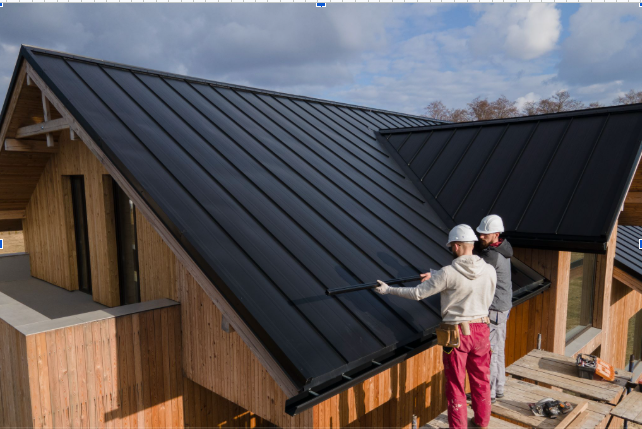
A 40–70 year lifespan is genuinely difficult to argue with. Metal handles weather extremes, demands minimal maintenance, and modern architectural panel profiles look sharp on commercial buildings. The upfront cost is real, but over time, the math consistently favors metal.
Smart Coatings and Green Systems
Reflective coatings applied over an existing deck can extend service life by 10–20 years at a fraction of full replacement cost. Vegetated green roofs and solar-integrated assemblies are growing fast, making them worth serious evaluation for any building that can structurally support them.
What’s Changing in 2026: Emerging Trends Worth Tracking
The bigger shift right now isn’t just about which materials you specify, it’s about how roofs are managed and designed for the long haul.
IoT and AI-Driven Maintenance
Embedded sensors now detect moisture intrusion, thermal anomalies, and structural stress before visible damage appears. AI analytics flag potential failures weeks or sometimes months ahead of time. Roofing stops being a reactive expense and becomes a predictable, manageable line item.
Sustainability Momentum
Recycled-content membranes, bio-based adhesives, and CRRC-rated cool coatings are moving from specialty products to standard specifications. The global green roof market sat at USD 2.62 billion in 2024 and is projected to reach USD 6.74 billion by 2030 at a 17.0% CAGR. Grand View Research: That growth isn’t a trend; it’s a signal that sustainability is now a baseline expectation.
Hybrid and Solar-Ready Systems
Designing your roof today with tomorrow’s solar installation in mind just makes sense. TPO and PVC both offer clean, bondable surfaces for PV mounting, and some assemblies integrate solar directly into the membrane itself.
Why Location Changes Everything: Commercial Roofing in San Jose
Nationwide trends set the direction, but local conditions determine the right decision for your building. San Jose is a genuinely unique market. Mediterranean climate, hot dry summers, active seismic hazards, and California’s demanding Title 24 energy codes create a combination that punishes generic specifications.
Working with specialists in commercial roofing in San Jose matters because they understand the local compliance landscape, know which cool-roof incentives apply to your project, and account for seismic movement in their system selections.
White TPO, PVC, metal panels, and reflective coatings consistently come out on top here; they satisfy regulatory requirements and deliver real durability under Bay Area conditions.
Side-by-Side: Material Comparison at a Glance
| Material | Lifespan | Initial Cost | Maintenance | Energy Efficiency | Best Use Case |
| TPO | 25–30+ yrs | Low–Mid | Low | High | Flat/low-slope, most commercial |
| EPDM | 25–30 yrs | Low | Low | Medium (w/ coating: High) | Variable climates |
| PVC | 30+ yrs | Mid–High | Low | High | Restaurants, industrial |
| Modified Bitumen | 20–30 yrs | Low–Mid | Medium | Medium | High foot-traffic flat roofs |
| Metal | 40–70 yrs | High | Very Low | High | Long-term ROI, steep/low-slope |
| Green/Solar | 30–40+ yrs | High | Medium | Very High | Sustainability-focused builds |
Practical Checklist Before You Sign Anything
Don’t let procurement move faster than your due diligence. Before committing to a system:
– Assess structural load capacity, especially if green roofs or heavy equipment are planned
– Compare lifecycle cost projections, not just installed price
– Ask vendors about flat roof materials compatibility with smart monitoring hardware
– Explore California rebates and ENERGY STAR qualifications to lower your net cost
– Confirm the system is solar-ready if PV is even a distant possibility
– Verify manufacturer certifications and warranty capabilities. A 30-year material warranty only holds if your installer is certified to back it
Frequently Asked Questions
Are cool roofs worth the investment? Yes, reflective membranes reduce cooling loads 10–30% and measurably lower indoor temperatures. Factor in California incentives and the payback timeline shortens considerably.
Which material lasts longest with minimal upkeep? Metal at 40–70 years. Among flat-roof systems, PVC and TPO both offer 25–30+ year lifespans when properly installed.
How does smart technology integrate with existing roof systems? IoT moisture sensors and AI inspection tools work with most membrane systems today, continuously monitoring and alerting before problems escalate.
What performs best in San Jose’s specific climate? White TPO, PVC, and reflective coatings align strongly with Title 24 and San Jose’s dry summer heat. Metal panels are also solid performers, and all handle seismic movement better than heavier built-up assemblies.
Is restoration smarter than full replacement? Often, yes, if the deck is structurally sound. Coatings and recovery systems typically cost one-third as much as tear-off replacement and can add 10–20 years of service life.
Making the Right Call for Your Building
In 2026, the strongest roofing decisions balance material performance, long-term ROI, and smart technology, not the lowest line on a bid sheet. Whether you’re leaning toward TPO roofing, EPDM, metal, or a green assembly, every choice carries consequences that play out across decades of energy costs and maintenance budgets.
Work with qualified local specialists who genuinely know your climate and code requirements. The right roof doesn’t just protect your building, it actively works for your bottom line, year after year.