


Ductless Mini-Splits Reach $19.4B Market as Flood Resilience Drives Design Innovation
With the rise of climate change, buildings must be able to withstand disasters while also keeping energy use and costs low. Unfortunately, traditional approaches to heating and cooling often fall short in the face of these new challenges, especially for cities seeing record floods and intensifying urban density.
As a solution, many designers are using mini-split systems, which offer energy efficiency and can help structures bounce back after climate events.
The Rise of Ductless Mini-Splits
Mini-split systems have moved from niche interest to mainstream, often spurred by new construction codes and government incentives. Consumer demand for comfort, lower bills, and lower emissions also drives their popularity.
Market Dynamics of Ductless Solutions
Cities like New York have expanded rebate programs for high-efficiency retrofits in small businesses and multifamily housing. Faced with higher utility prices and pressure to decarbonize, many commercial property managers turn to ductless solutions when traditional ductwork renovations are cost-prohibitive.
Rural areas also benefit. Many farms, lodges, and historic properties see value in minimal-impact installation and reduced maintenance demands.
The global market for mini-split systems is valued at $19.4 billion in 2026, with forecasts indicating it will reach $34.42 billion by 2033. The rise in installations over the previous years prompted manufacturers to ramp up research and development.
In traditional systems, energy can leak through gaps, cracks, or poorly insulated ducts. Duct losses account for over 30% of energy consumption for space conditioning. This problem is especially common in ducts in attics and other unconditioned spaces.
How Does a Ductless Mini-Split Work?
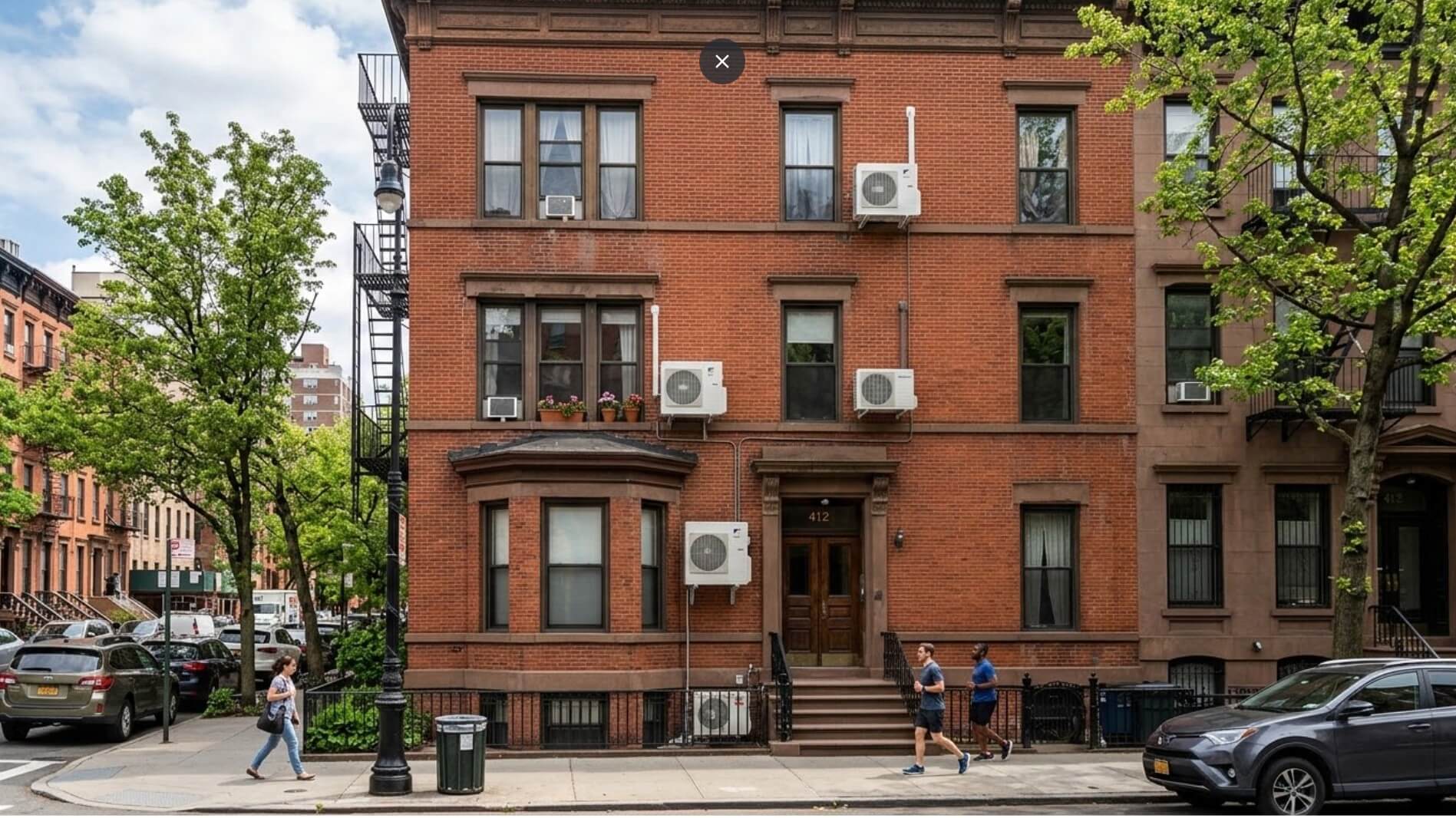
Ductless mini-splits eliminate the need for an intricate network of ducts, which reduces both up-front and operational costs. Imagine a 1930s apartment building that needs an updated HVAC system. A mini-split system can add efficient heating and cooling to each space with minimal disruption, compared to ripping into floors and ceilings for duct installation.
With this HVAC system type, each room can have its own unit. Units can connect to a compact outdoor compressor with narrow tubing that slips through walls, which removes the need for ductwork in hard-to-reach places. Their programmable settings and remote operation mean people of all ages can use them.
Meeting Climate Risks with Flood-Resilient Building Systems
In addition to energy needs, owners must now plan for natural disasters across wider regions, not just low-lying coastal cities. Flooding is a threat to HVAC systems, especially those located in basements. When a central unit fails due to flooding, every room above is immediately left without heating or cooling, increasing health and safety risks.
While climate change can alter patterns and bring more intense storms to unexpected regions, flood risks are often seasonal. Roughly 75% of flash floods happen between April and September in America.
Now imagine a mixed-use building with ductless air conditioners. Only the ground-floor office loses climate control after a flash flood, while the upper-level apartments retain comfort. This level of resilience supports faster recovery for both businesses and residents.
Wind and debris from hurricanes also pose a threat to HVAC systems on rooftops and other exterior locations, especially if they’re not properly secured or designed. A mini-split system provides redundancy and flexibility. Installers can place units on interior walls or in upper stories, with fewer exposed components and easier replacement after damage.
Advancing Sustainability and LEED v5 Through Ductless HVAC
LEED v5 and similar global standards have redefined “green.” For operational efficiency, it now includes disaster adaptation. After all, energy savings are meaningless if extreme events regularly knock a building offline.
Project teams must now look beyond historic data and consider anticipated hazards in their region, such as droughts, wildfires, hurricanes, floods, and extreme temperatures. Modern codes now require integrated approaches to risk. HVAC systems must be designed as part of a building’s emergency backbone.
For example, a hotel in Miami is renovating to elevate its outdoor HVAC equipment.
It adds mini-splits to every room. As a result, most rooms remain operational or become operational quickly after a major storm, reducing business loss.
Those with new builds can take it a step further. For new construction, ductless systems allow green certifications to be achieved even in challenging, disaster-prone locations.
Ductless air conditioners and other HVAC systems also eliminate the risk of duct-borne pollutants or allergens spreading throughout the building. Picture a daycare with a mini-split in each playroom. If one room needs remediation, the rest of the facility stays in use.
Electric ductless systems also mean better air quality due to fewer chemicals and no risk of gas leaks, which provides better protection for people with asthma or sensitivities. They rely on mini-split heat pumps instead of propane or oil.
Innovation and Product Advancements in Mini-Splits
Mini-split systems come with various innovations, such as:
- Variable speed compressors to reduce noise and improve efficiency in part-load conditions.
- Integration with apps and building management systems for facility-level monitoring.
- Advanced sensors for smart zoning and automatic temperature adjustments based on occupancy.
Ductless HVAC systems are also scalable, which works well for growing businesses and buildings. Engineers can add more mini-splits without renovating entire structures.
Guidance for Choosing Ductless HVAC Systems
Here are some tips when selecting Mini-split systems for building projects and updates:
- Assess flood and weather risks specific to the site.
- Consider past damage, local zoning maps, and insurance requirements.
- Determine which areas must remain operational during or after disasters.
- Anticipate business growth or changing occupancy needs when planning.
- Seek professional assessment for correct sizing and placement if necessary.
The Future of Resilient, Efficient HVAC
Ductless mini-splits represent a pivotal advancement for both sustainability and climate resilience in the built environment. The demand will grow as more buildings face new climate threats, and codes raise the bar for energy efficiency.
Forward-thinking HVAC systems will help safeguard lives, protect communities, and cut long-term costs for everyone. Investments like these are what will make tomorrow’s cities more secure and livable.