

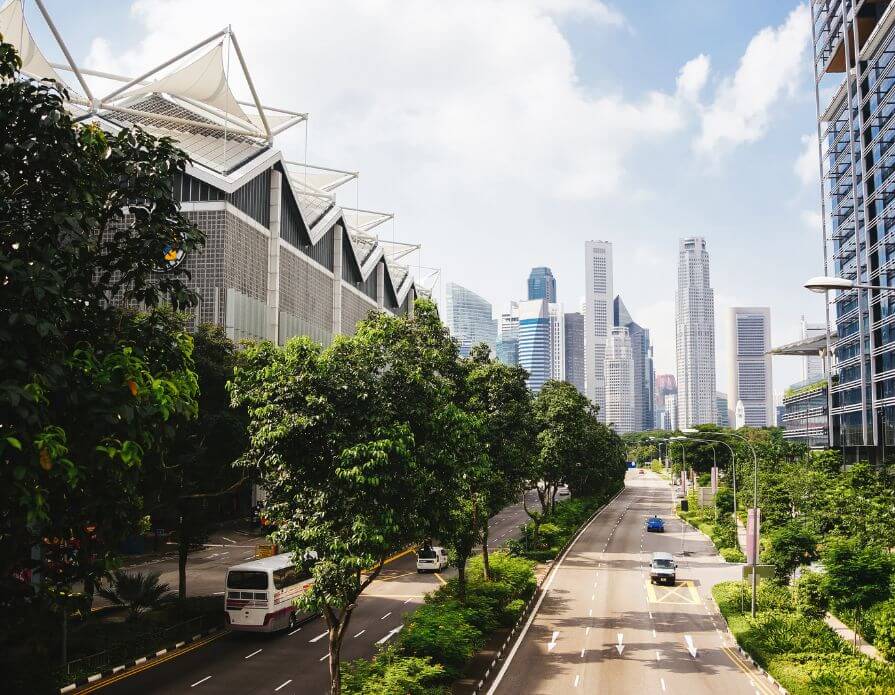
How Sustainable Cities Begin With Smart Planning
Sustainable cities begin with smart planning that balances environmental protection, economic growth, and community well-being. Every decision about transportation and public infrastructure influences how a city performs for decades.
Thoughtful planning reduces waste while improving access to essential services for residents. Strong strategies also prepare communities for population growth and changing environmental conditions.
How Infrastructure Supports Sustainable Growth
Reliable infrastructure creates the foundation for efficient and resilient cities. Well-designed roads, utility networks, and public transit systems reduce congestion while supporting daily activities.
City planners also evaluate construction requirements for power pole lines to improve safety and long-term energy distribution. Careful coordination between public agencies and utility providers prevents unnecessary disruption during future development.
Modern infrastructure also encourages cleaner transportation options and lower emissions. Safe sidewalks and dependable transit systems reduce dependence on personal vehicles. Efficient utility layouts minimize maintenance costs while protecting surrounding ecosystems.
Why Green Spaces Matter
Urban areas benefit from parks and preserved natural landscapes that improve environmental health. There are various ways to create green spaces in a city that benefit the community, since vegetation reduces heat and supports local wildlife. Accessible outdoor areas also encourage physical activity and strengthen neighborhood connections.
Green infrastructure provides practical environmental benefits beyond recreation. Trees absorb carbon dioxide while helping manage stormwater through improved soil absorption. Natural buffers protect waterways from runoff pollution after heavy rainfall. These features reduce strain on public infrastructure and lower long-term maintenance expenses.
Priorities That Deliver Lasting Results
Successful planning depends on practical goals supported by accurate data and public participation. Cities often focus on several priorities that encourage responsible development.
- Expand reliable public transportation networks.
- Protect existing natural habitats during development.
- Encourage energy-efficient building standards.
- Improve pedestrian and bicycle accessibility.
- Plan infrastructure that supports future population growth.
These actions create measurable environmental improvements while supporting stronger local economies. Clear planning standards also help communities respond to changing conditions with greater confidence.
Building Stronger Communities Through Collaboration
Sustainable city planning succeeds when governments and communities work toward shared goals. Public feedback helps planners identify community needs before large projects begin. Collaboration also encourages solutions that balance environmental responsibility with economic opportunity. Open communication builds trust while improving project outcomes.
Cities that prioritize long-term planning often experience greater resilience during environmental and economic challenges. Leaders make stronger decisions when they evaluate future impacts rather than focusing solely on immediate needs. Responsible planning protects valuable resources while supporting healthy neighborhoods. Sustainable cities continue to thrive because smart planning guides every stage of growth.