


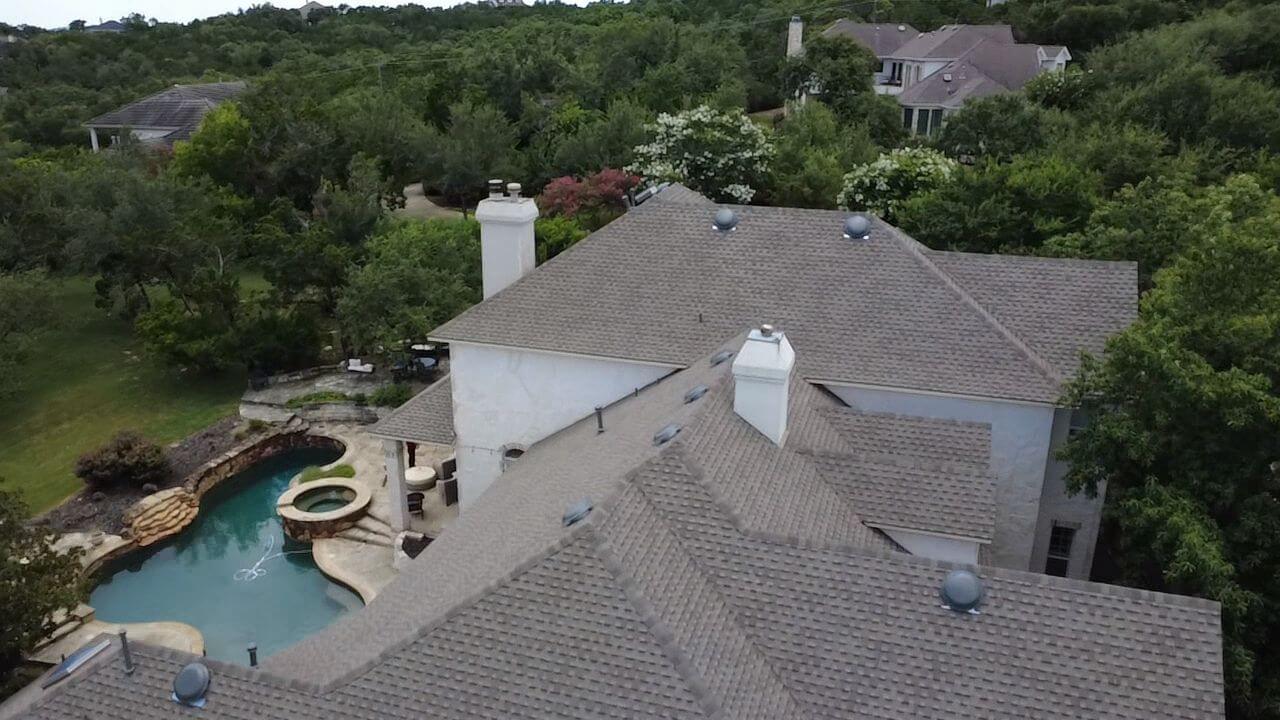
How Energy-Efficient Roofing Can Help Homes Stay Cooler and Last Longer
As temperatures rise and homeowners look for practical ways to reduce energy use, the roof deserves more attention. It is one of the largest exterior surfaces on a home and receives direct sunlight for much of the day.
The roofing material, color, ventilation system, insulation, and installation quality can all influence how much heat enters the attic and how hard the air-conditioning system must work.
Energy-efficient roofing does not mean choosing one universal product. The right system depends on the home’s design, climate, roof slope, budget, and long-term maintenance needs.
How Roofing Affects Indoor Temperatures
A dark roof exposed to intense sunlight can absorb a substantial amount of heat. Some of that heat transfers through the roof deck and into the attic, where it can increase temperatures above the living space.
The amount of heat that reaches the home depends on several factors:
- Roofing color and solar reflectance
- Attic insulation
- Roof-deck construction
- Ventilation
- Shading from nearby trees
- Air sealing between the attic and living space
- Local temperature and sun exposure
Homeowners sometimes assume that replacing the shingles alone will solve an overheating problem. In reality, the roof covering is only one part of the system.
A well-performing roof should work together with insulation, air sealing, ventilation, and drainage.
Consider Reflective Roofing Materials
Reflective roofing products are designed to absorb less solar energy than conventional dark materials.
Depending on the home and roof design, options may include:
- Reflective asphalt shingles
- Light-colored metal roofing
- Factory-coated standing-seam panels
- Reflective membranes for low-slope roofs
- Tile products with favorable thermal properties
A lighter roof does not automatically mean a bright white roof. Many manufacturers now offer gray, tan, brown, and muted-color products designed to reflect more solar energy while still complementing the home’s exterior.
Homeowners should review manufacturer data rather than relying on color alone. Two products that look similar may perform differently based on their surface coatings and material composition.
Metal Roofing and Energy Performance
Metal roofing is frequently considered for energy-conscious homes because it can reflect solar radiation and release absorbed heat efficiently.
Standing-seam metal systems also have a long potential service life when correctly designed and installed. Their durability may reduce the frequency with which roofing materials need to be removed and replaced.
However, metal roofing is not automatically the best choice for every property. Important considerations include:
- Initial cost
- Roof geometry
- Expansion and contraction
- Fastening method
- Underlayment
- Flashing details
- Noise control
- Compatibility with the home’s architectural style
Homeowners should compare complete roof assemblies rather than looking only at the visible panels.
Ventilation Matters
Attic ventilation can help control heat and moisture, but it must be properly balanced.
Most systems rely on intake ventilation near the eaves and exhaust ventilation near the ridge or upper portion of the roof. Air should be able to enter low and exit high without being blocked by insulation or framing.
Common problems include:
- Soffit vents covered with paint
- Insulation blocking intake vents
- Too much exhaust ventilation without sufficient intake
- Multiple ventilation types competing against each other
- Bathroom or kitchen exhaust fans venting into the attic
- Poorly sealed attic penetrations
Adding more roof vents does not always improve performance. The system should be designed based on the attic configuration and ventilation requirements.
Homeowners evaluating an older roof can use a roof repair versus replacement guide to understand whether ventilation improvements can be included in a repair or should be addressed during a full replacement.
Insulation and Air Sealing Work With the Roof
The roofing material helps manage exterior heat, while insulation and air sealing limit heat transfer into the conditioned space.
Even a highly reflective roof may provide limited benefit if the attic lacks insulation or has large air leaks around:
- Recessed lights
- Plumbing penetrations
- Attic access doors
- Ductwork
- Electrical wiring
- Interior wall openings
Before replacing a roof for energy reasons, homeowners should consider an attic evaluation. In some cases, insulation and air-sealing improvements may deliver a stronger return than changing roofing materials alone.
The most effective approach is usually a coordinated one.
Durability Is Part of Sustainability
A sustainable roof is not simply made from a material marketed as environmentally friendly. It should also be durable, repairable, and appropriate for the local climate.
A product that fails prematurely creates additional waste, transportation, manufacturing demand, and labor.
Durability depends on:
- Proper deck preparation
- Correct underlayment
- Manufacturer-approved fasteners
- Adequate flashing
- Appropriate ventilation
- Drainage design
- Quality installation
- Routine maintenance
In hail-prone areas, impact resistance may also be an important consideration. A roofing system that withstands local weather and can be repaired effectively may have a lower long-term environmental impact than one that requires frequent replacement.
Homeowners can review guidance on spotting roof hail damage safely from the ground before arranging an inspection after a severe storm.
Reduce Waste During Roof Replacement
Roof replacement creates a significant amount of debris, especially when multiple layers of existing roofing must be removed.
Homeowners can ask contractors how they manage:
- Asphalt shingles
- Metal flashing
- Gutters and downspouts
- Pallets and packaging
- Damaged decking
- Nails and other metal components
Recycling availability varies by region, and not every material can be reused. However, careful estimating and responsible disposal can reduce unnecessary waste.
Accurate measurements also matter. Ordering too little material can delay the project, while ordering excessive material creates avoidable waste.
Repair When Repair Is Appropriate
Replacing an entire roof is not always the most sustainable option.
A properly completed repair may extend the life of an otherwise serviceable roofing system. Examples include replacing damaged flashing, correcting a localized leak, repairing a small storm-damaged area, or replacing a failed roof penetration.
Repair is more likely to be practical when:
- Damage is isolated
- Matching materials remain available
- The surrounding roof is still in good condition
- The roof has meaningful service life remaining
- The repair addresses the underlying cause
Replacement may be more appropriate when deterioration is widespread, the roof is brittle, multiple areas are leaking, or the system has recurring installation problems.
Homeowners who are still unsure can take a roof-replacement assessment quiz as a preliminary screening tool before requesting an on-site evaluation.
Choose Materials for the Climate
Climate should guide roofing decisions.
In hot, sunny regions, reflectance, ventilation, insulation, and ultraviolet exposure may be priorities. In hail-prone regions, impact resistance and repairability may matter more. Coastal areas may require enhanced wind resistance and corrosion-resistant components.
A sustainable roof should be designed for the conditions it will actually face.
Homeowners should ask contractors to explain:
- Why the proposed material fits the climate
- How ventilation will be addressed
- What underlayment will be installed
- How flashing and drainage will be handled
- Whether damaged decking is included
- What maintenance the roof will require
- Which warranties apply
The Bottom Line
Energy-efficient roofing is not based on one product or color. It comes from combining suitable materials with insulation, ventilation, air sealing, drainage, and high-quality installation.
A roof that keeps heat under control, withstands local weather, and remains serviceable for many years can reduce energy use and avoid unnecessary material waste.
The best solution is one designed for the specific home rather than selected from a generic list of “green” products.