


Why This Fall’s Weatherization Window Matters More Than Ever
Fall is more than pumpkin spice and shorter days — it is your last real window to prepare your home for winter before the heating season kicks in. Rather than waiting for the first cold snap, weatherize now to cut energy waste, lower your bills, and set your home up to run efficiently through the coldest months.
Here is why fall weatherization matters more than ever this year, and the sustainable steps that make the biggest difference.
Home Heating Costs Are Climbing This Winter
Weatherization timing matters this year because staying warm is getting more expensive. Recent estimates suggest home heating costs could climb by more than 9%, or about $84, compared with last winter, as electricity and natural gas prices continue to rise faster than inflation. If you heat with a different fuel type, you are not immune to rising costs because these markets tend to move together.
Energy markets shift quickly, and these are estimates, not certainties. What you can predict is that a poorly sealed, under-insulated home wastes more heat, no matter what fuel prices do this winter. Getting ahead of that waste now is the one variable you can actually control.
Why Fall Is the Best Time to Weatherize
Fall gives you the conditions and lead time to do the job right, rather than scrambling once the temperature drops.
- Materials cure properly: Many caulks and sealants need mild temperatures to bond and cure properly. If you apply them in the cold, you will likely end up with a weaker seal that fails months later.
- You can book contractors and energy audits more easily: Home performance companies and insulation crews fill up fast once winter hits. Schedule in the fall for more availability and less pressure to accept a rushed job.
- Every week you wait wastes energy: If you leave a drafty home unsealed for the first six weeks of winter, you have already burned through extra fuel or electricity that fall weatherization would have prevented entirely.
- Rushed winter fixes rarely last: Taping plastic sheeting over a window or aiming a space heater at a cold room solves the problem for one night, not the whole season. You end up replacing or repeating the fix, which creates more waste over time than a proper fall repair would.
Weatherizing early is the more comfortable and sustainable choice, since a home that runs all winter efficiently draws less power and puts less strain on the equipment heating it.
Sustainable Ways to Weatherize Your Home This Fall
The following steps target your home’s biggest sources of energy loss while favoring durable, lower-impact materials wherever you have a choice.
1. Seal Air Leaks Around Windows and Doors
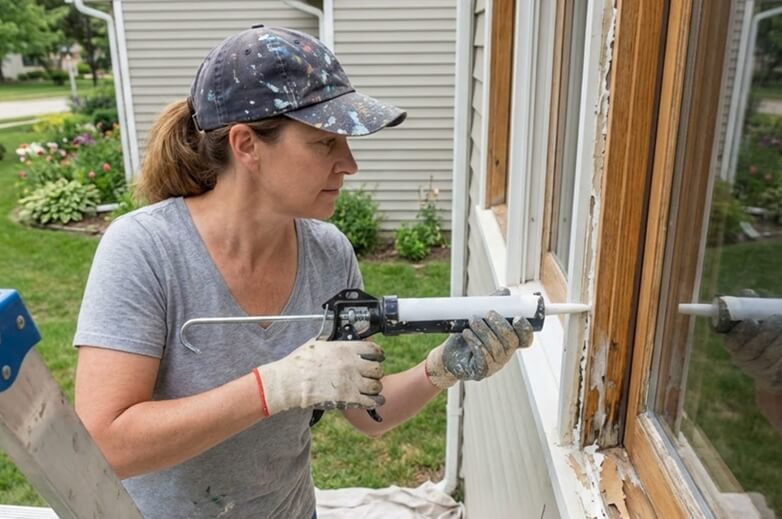
Gaps around windows and doors are among the most common sources of drafts. Use a water-based, low-VOC caulk for stationary gaps. Choose weatherstripping made from felt or silicone rather than petroleum-heavy foam for moving parts, such as doors and window sashes.
2. Upgrade Your Attic Insulation
Heat rises, so an under-insulated attic is often the single biggest source of winter heat loss in your home. Pair proper insulation with air sealing, and you can save around 15% annually on your combined heating and cooling costs, making this one of the highest-value upgrades on this list.
Proper attic ventilation also matters year-round. Without it, attic temperatures can exceed 160 degrees in summer, accelerating wear on your roofing materials and undercutting the insulation work you just did.
3. Seal and Insulate Your Ductwork
Leaky ducts can waste a significant share of your heated air before it ever reaches a room. Seal joints with mastic sealant or metal foil tape, not standard fabric duct tape, which dries out and fails within a few years.
4. Install a Programmable or Smart Thermostat
A thermostat that automatically lowers the temperature while you are asleep or away reduces the total energy your furnace or heat pump must produce. This can cut both costs and consumption without any change in daily comfort. Even lowering your thermostat by a degree or two at night makes a real difference over the course of a winter, even before you invest in a smart model.
5. Reverse Your Ceiling Fans
Switch your ceiling fans to spin clockwise in winter to push warm air that has risen to the ceiling back down into your living space. With this practice, your heating system will not have to work as hard to keep the room comfortable.
6. Insulate Your Water Heater and Exposed Pipes
Wrap an older water heater in an insulating blanket and cover exposed hot-water pipes with foam sleeves. This can help the water heater use less energy to reheat water that has already cooled while sitting in the tank or pipes.
7. Close Off the Fireplace When You Are Not Using It
An open or poorly sealed damper acts like a chimney-shaped hole in your roof, pulling warm air straight out of the house. Use a chimney balloon or make sure your damper seals tightly to keep that heat where it belongs.
8. Add Window Insulation Film or Thermal Curtains
Full window replacement is not always practical or the most sustainable option, since manufacturing new windows carries its own environmental cost. Try insulating film or thermal, cellular-shade curtains instead for a lower-impact way to cut heat loss through your existing glass.
9. Weatherstrip Your Attic Hatch and Other Overlooked Openings
Attic access panels, mail slots and dryer vents are easy to forget but can leak as much air as a poorly sealed door. A quick pass with weatherstripping or a foam gasket closes these gaps in minutes.
10. Schedule a Home Energy Audit
Many utility companies offer complimentary or discounted energy audits that use tools like thermal imaging to show you exactly where your home is losing heat. Acting on an audit’s findings can save you as much as 20% on your utility bill, since you are targeting specific problem areas rather than guessing. That precision means you spend less time, money and material on ineffective fixes.
Get Your Home Ready Before the Cold Sets In
Weatherize in the fall to lower your energy use, protect against rising heating costs, and reduce the environmental footprint of staying warm all winter. Make these small, targeted fixes now, before the cold sets in. They can add up to real savings and a home that runs efficiently all season.