


Chemical Cleaners vs. The Planet: A Better Way to Handle Blocked Drains
You’re standing in your bathroom at 10 PM, water’s backing up in the kitchen sink, and you’re already mentally tallying up how much a plumber’s going to cost you. Your brain immediately goes to the hardware store shelf. Grab one of those drain unblockers, pour it down, and call it a day.
Many are used to doing the same thing. But once you read what’s in those bottles (sodium hydroxide and sodium hypochlorite), you’ll realize that they’re basically weaponized chemistry. So, the pressing question is, what’s a better way to handle blocked drains without ruining both your literal and figurative home, the planet?
The Hidden Cost of Chemical Solutions
When you pour that material down the drain, it isn’t gone. It goes through your clog but then travels through your pipes to the water system. You’re discharging them into rivers and waterways where they should not go. Aquatic organisms will experience negative impacts from this type of material.
And then there’s what happens to you. These chemicals can burn your skin if you’re not careful. They release fumes that linger in your bathroom. If you’ve got kids or pets, you’re basically introducing poison into your home.
These cleaners can also damage your actual pipes. They’re so aggressive that over time, they can corrode the walls of your plumbing. You think you’re solving a problem, but you might be creating a bigger one down the road.
The Simple Power of Natural Solutions
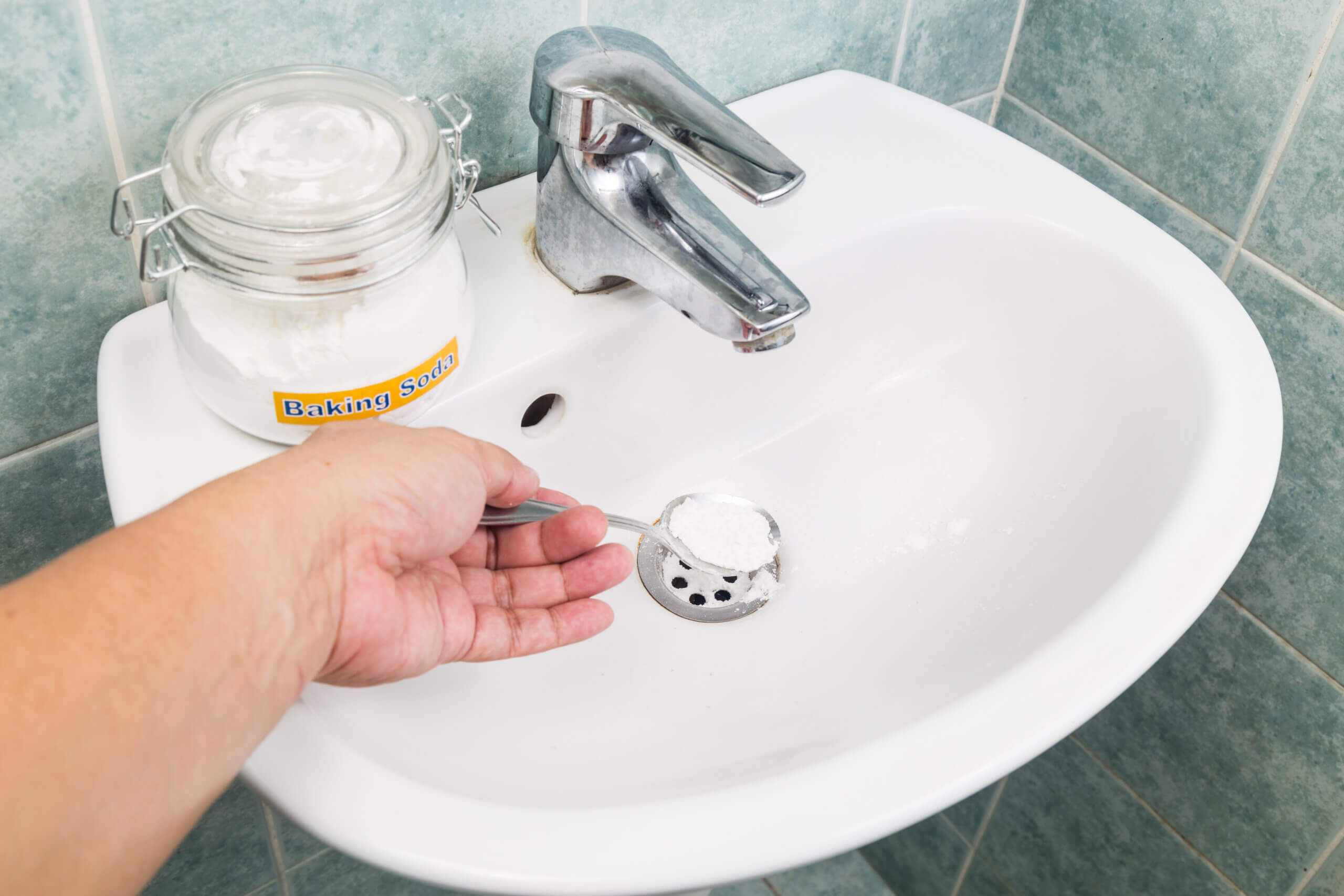
Before we became obsessed with commercial products, people relied on what they had on safer options like the mixture of baking soda, hot water, and vinegar. While these are old approaches, they actually work for many common clogs, particularly those caused by food particles, soap scum, and general buildup.
To do this, pour around half a cup of baking soda down the drain, and then pour one cup of hot water mixed with one cup of white vinegar over the baking soda. The chemical reaction will create fizzing action to help break down any debris in the drain naturally. Allow this mixture to sit for at least 30 minutes, and then flush with additional hot water.
If you have really tough blockages, boiling water can be very effective where grease is blocking the drain. However, you must take care not to damage your plastic pipes due to extreme temperature changes.
This method is very simple, inexpensive, and requires no expertise in chemistry or personal safety to protect yourself while doing it at home. Also, all the materials used in this method are biodegradable and will not harm fish or your plumbing system.
When to Bring in the Professionals
Not every clog will respond to the baking soda method, and that’s okay. Some clogs are deep within your drainage system or have hard to break up build-up like toilet paper, as well as other issues that require special equipment. That’s when you should hire a professional because they know how to do it right.
For residents with blocked drains in Perth or anywhere else, hiring local plumbing services means you will receive a solution that works for your circumstances and complies with all your local plumbing codes.
They can determine if your problem is as simple as a kitchen sink plumbing blockage or more complicated, such as a sewer line blockage, which may require using camera scopes to assess accurately.
Also, professionals have tools such as drain snakes or plumbing snakes that enable them to clear a blockage without introducing harmful chemicals into your system.
Prevention
It is actually easier to prevent a problem from occurring than it is to manage a crisis once one has occurred. If you apply these small steps, it would make a huge difference:
- Install drain screens in your sinks and tubs to catch debris.
- Be aware of what you are putting down the disposal.
- Avoid pouring hot cooking grease directly down your drains (allow it to cool and then dispose of it)
Doing these will help to create a ripple effect that reduces the burden on your plumbing system and the broader waste plumbing infrastructure.
Plus, performing regular drain cleanings with hot water and baking soda every month or so will keep your drains flowing freely without guilt. This is just routine maintenance, not an emergency service.
Making the Conscious Choice
Caring for your drains is environmentally conscious, but it also empowers you to manage your household in accordance with your own values while protecting it from harm. By using environmentally safe drain cleaning approaches, you will protect your family from exposure to toxic chemicals, extend the life of your plumbing system, and improve the quality of the water that flows on our planet.
The next time you encounter a clogged drain, stop and think if you’ll use chemical drain cleaners. Instead, consider going the natural route first. If you still cannot clear your drain, call a qualified plumber to assist you in removing the blockage from your drain. Not only will you be helping to protect the environment, but you will also be helping to conserve the resources we all rely on.