


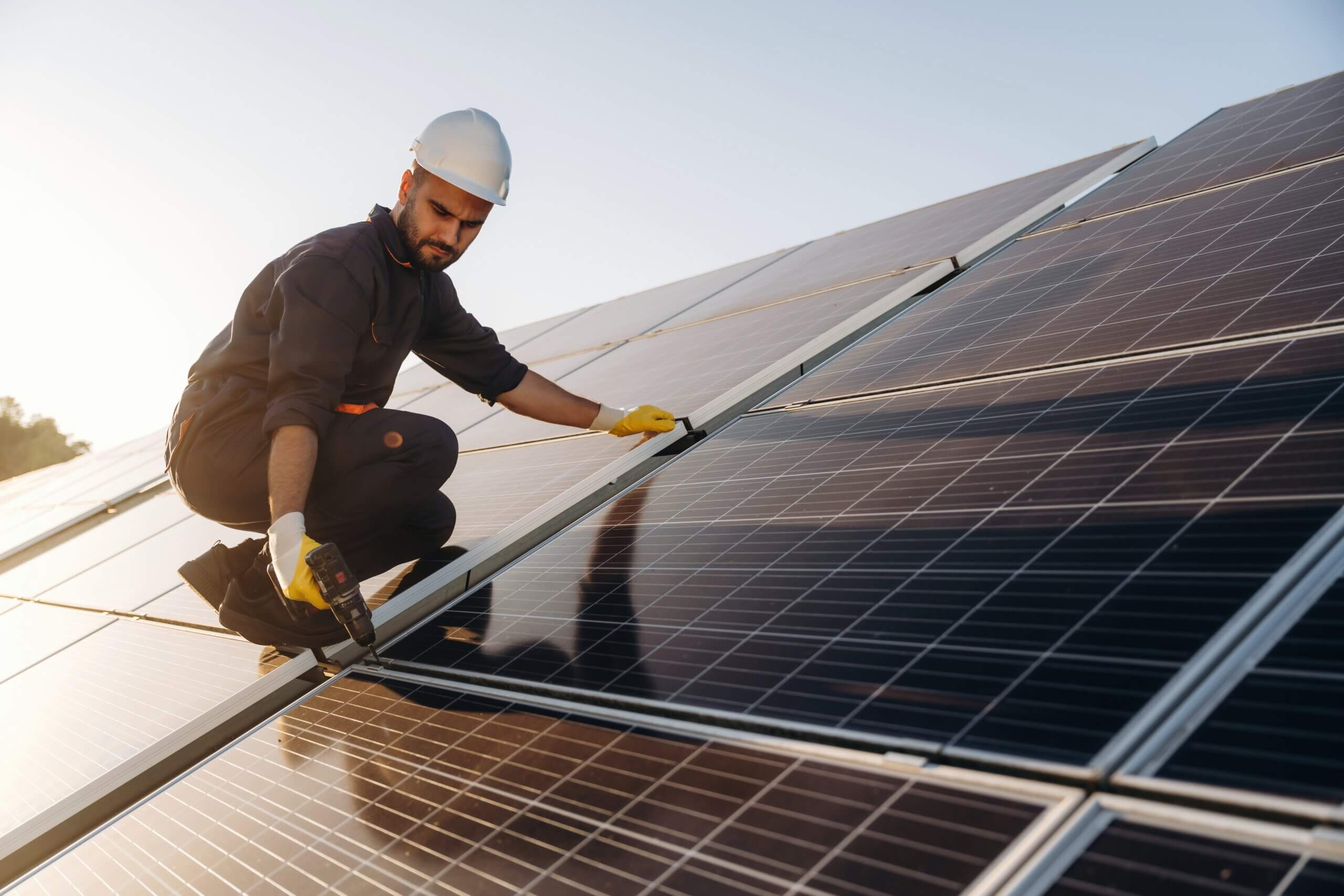
Designing For Tomorrow: Sustainable Solar System Design And Installation
Everyone’s talking about solar these days. You see panels on neighborhood roofs, hear about friends saving thousands on electricity, and inevitably wonder if it makes sense for your place. The truth is, it probably does. But not in the way most people think about it.
Just slapping some solar panels on your roof and hoping for the best is not really a strategy. The actual impact comes down to how much thought goes into the design before the first panel ever gets installed. And here’s how to go about sustainable solar system design from the get-go.
Site Evaluation
Before anyone should be talking price or timelines, someone needs to understand your specific situation. Every roof is different. Your neighbor might have perfect southern exposure, but if trees are shading yours in the afternoon, that changes everything.
This is why the site evaluation piece is genuinely critical. A solar installer worth their salt will spend time looking at your roof orientation, how the sun hits at different times of year, and honestly assessing what’s already blocking light. They’ll also dig into your electricity bills to know the total amount you’re paying and know exactly when you’re using power.
If you work from home and use air conditioning all day, your peak usage is different from someone who’s out of the house until evening. That peak usage pattern determines whether you need battery storage, which components make sense, and ultimately what the system should look like.
Experienced installers that does solar installations Perth, among other areas, know that understanding these patterns upfront is what separates a good installation from one that leaves homeowners frustrated.
The mounting system, roof condition, and any structural work needed all come out during this phase, too. You might discover your roof needs repair before panels go on, which adds cost but saves headaches down the road.
System Design
Once someone understands your actual situation, the design can start. And it’s not just “we’ll put 12 panels up there.” Real system design means figuring out actual numbers: how much generation capacity will cover what you use, how big your PV array needs to be, and crucially, what configuration makes sense for your specific roof and electrical setup.
Some people want to offset their entire electricity bill. Others just want to cut their peak demand charges. These aren’t the same goal, and they don’t result in the same system. The electrical design calculation must account for voltage drop, proper DC cabling routing, and all the technical stuff that prevents your system from eating itself over time.
Energy simulation tools help here. They use irradiance maps and look at historical weather data for your area to predict what the system will generate throughout the year—not some theoretical maximum, but what you’ll realistically see in January versus July. It’s not glamorous work, but it’s what prevents nasty surprises.
Battery Storage
A lot of people assume solar means battery storage. Not necessarily. But if you want to use power you generate after sunset, then yes, you’re adding batteries to the equation.
Battery-based solar design gets complicated in useful ways. You need a charge controller—usually an MPPT charge controller these days—that manages how electricity flows from your panels into your batteries. It’s basically preventing your batteries from getting fried while maximizing how much of your generated power gets stored.
The economics also shift. Battery storage bumps up initial costs significantly. But if you’re interested in energy independence, not relying on the power grid during outages, or just using electricity you generated yourself, that changes the math. Plus, depending on where you live, incentives and rebates can take a real bite out of those initial costs.
Installation
All the design in the world doesn’t mean squat if the installation is sloppy. You need installers who understand electrical codes, know how to mount things properly so they’ll last decades, and can do the detailed work without cutting corners.
The small stuff adds up: proper cabling work, solid electrical connections, attention to things like voltage drop. These details determine whether your system runs efficiently or slowly degrades your power output. It’s one of those situations where you really do get what you pay for.
Monitoring and Maintenance
After installation, you’re not done. A monitoring system lets you see what your solar production looks like day to day. Some systems generate less than expected, and a good monitoring setup catches that early. Most require minimal maintenance, but you want to know if something’s drifting toward a problem.
Operations and maintenance are, honestly, straightforward with modern systems. They’re reliable. But having visibility into what they’re doing means you catch issues before they cost you money in lost production.
The Bottom Line
Designing a sustainable solar system sounds technical because it is. But the core idea is simple: take time upfront to understand your specific needs, design something that fits those needs, have competent people install it, and keep an eye on it afterward.
Does solar make financial sense? Usually. Is it good for the environment? Absolutely. But whether it works well for you depends almost entirely on getting the design right. That’s where the difference between a system you’re proud of and one you regret really gets determined.