

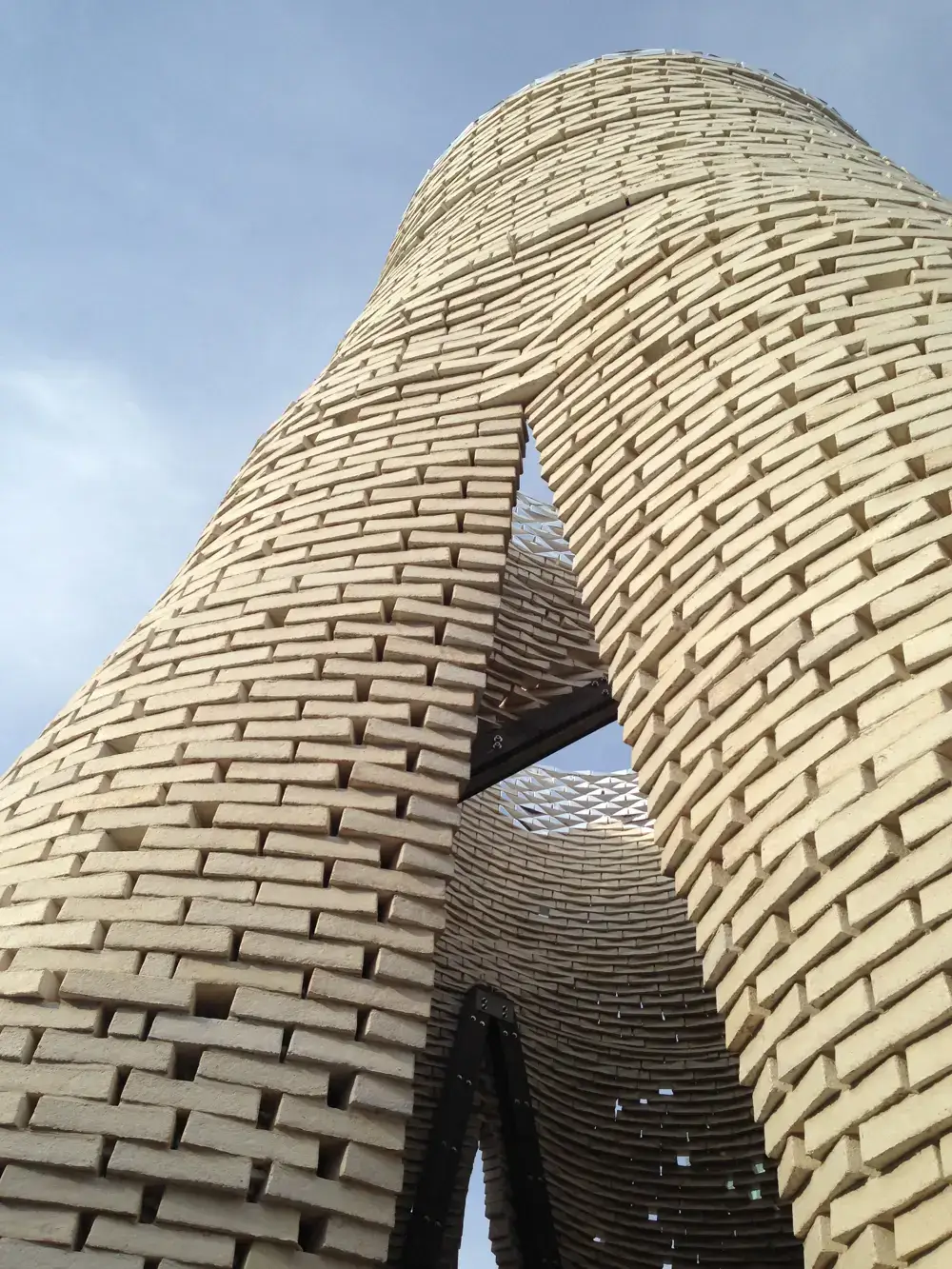
The Science Behind Mycelium as a Sustainable Alternative in Construction
You’ve probably heard mycelium mentioned as a rising trend in sustainable building. This fungal material sounds unusual for construction, but the science behind it makes a compelling case. Here’s what mycelium is, how it becomes a building material, and why it works as a sustainable alternative.
What Mycelium Is
Mycelium is the root-like network of fungi that spreads underground or through organic matter, sending out thread-like fibers called hyphae. Mushrooms can’t form without it. Given the right conditions, mycelium binds loosely packed organic material into a solid mass. That binding power is exactly what makes it useful in construction.
The more interesting part is how manufacturers turn mycelium into something you can build with.
How Mycelium Becomes a Building Material
Manufacturers grow mycelium composites by combining fungal spores with agricultural waste like hemp hurds, straw, or sawdust. You place this mixture in a mold, and the mycelium spreads through it over several days, digesting the organic matter and weaving it into a dense network. Once growth reaches the right density, you halt it with heat, which kills the fungus and locks the material into its final shape.
Researchers are pushing this process further. At Delft University of Technology, a team led by Dr. Kunal Masania launched a five-year project in 2023 to study living composites for lightweight structural applications.
Their work centers on mycelium’s ability to grow an expansive network of sensing fibers throughout a material, and building that network only takes a few cells to start. Early results suggest these fungal materials could one day heal their own cracks.
Why Mycelium Works as a Sustainable Building Material
Growing mycelium is one thing. Proving it performs like traditional materials is another, and that’s where it has earned real credibility.
Traditional building materials like concrete and steel come with a steep carbon cost, from extraction to manufacturing to transport. Mycelium sidesteps most of that. It grows at room temperature, needs no kiln firing, and turns agricultural byproducts that would otherwise go to waste into something useful.
The construction sector alone accounts for 37% of global carbon dioxide emissions and nearly half of all material extraction worldwide. A shift toward bio-based materials could meaningfully reduce that footprint.
Peer-reviewed testing backs up mycelium’s performance, too. Studies confirmed:
- Hemp-based composites reached a thermal conductivity as low as 40 milliwatts per meter-kelvin, putting them on par with synthetic insulation foams like EPS and XPS
- Mycelium-coir composites can resist fire far better than standard flammable insulation
- A hydrophobic surface layer helps prevent moisture and mold intrusion over time
- The material breaks down naturally at the end of a building’s life instead of sitting in a landfill
Why Building New Gives You More Sustainable Material Options
Mycelium’s track record raises a practical question for your next project — should you renovate or build new?
Renovation often reuses an existing structure, which has its own environmental upside. But building a new commercial property can be a more sustainable solution because you can choose the materials and infrastructure from the ground up.
That means you can specify mycelium-based insulation, low-carbon alternatives, and energy-efficient systems throughout the entire structure instead of working around what’s already there.
How Builders Use Mycelium in Construction Projects
These properties translate into a handful of real applications you’ll already find in the field. Builders currently use mycelium for:
- Insulation panels, where its natural cellular structure traps air and slows heat transfer
- A substitute for foam packaging in construction and shipping
- Non-load-bearing bricks for walls and interior partitions
- Acoustic panels and ceiling components in interior design
Structural use remains mycelium’s biggest hurdle, as the material is naturally weak in tension. Researchers at Newcastle University developed one way around that limitation with a paste called mycocrete, injected into a permanent knitted textile formwork that stays in place as the material cures.
In lab testing, this method increased flexural modulus by a factor of 16 compared to conventional sawdust-based mycelium composites, and the team also built a 1.8-meter freestanding dome prototype to demonstrate the technique at architectural scale.
You won’t see mycelium replacing structural steel or concrete foundations anytime soon, since it still lacks the compressive strength to support heavy loads. But as a sustainable option for insulation, interior finishes, and lightweight components, it’s already proving itself.
Where Mycelium Construction Is Headed
Mycelium won’t replace every material in your next project, but it’s carving out a real place in sustainable construction, supported by growing research and real-world testing.
As research on self-healing composites and structural applications continues, expect this fungal material to appear in more building projects, from insulation to interior design elements and beyond.