

Solar Outdoor Lighting Ideas for a More Sustainable Home
Creating a greener home does not always require a major renovation. Sometimes, the most useful changes are the ones that improve daily comfort while reducing unnecessary energy use. Outdoor lighting is a good example. A well-lit garden, driveway, pathway, or patio can make a home safer and more welcoming, but traditional outdoor lighting can also add wiring work, electricity use, and maintenance.
Solar lighting offers a simpler alternative for many outdoor areas. By using sunlight during the day and stored energy at night, solar fixtures can help homeowners brighten exterior spaces without relying on a complicated hardwired system. For gardens, side yards, porches, and landscape features, this makes solar lighting both practical and eco-conscious.
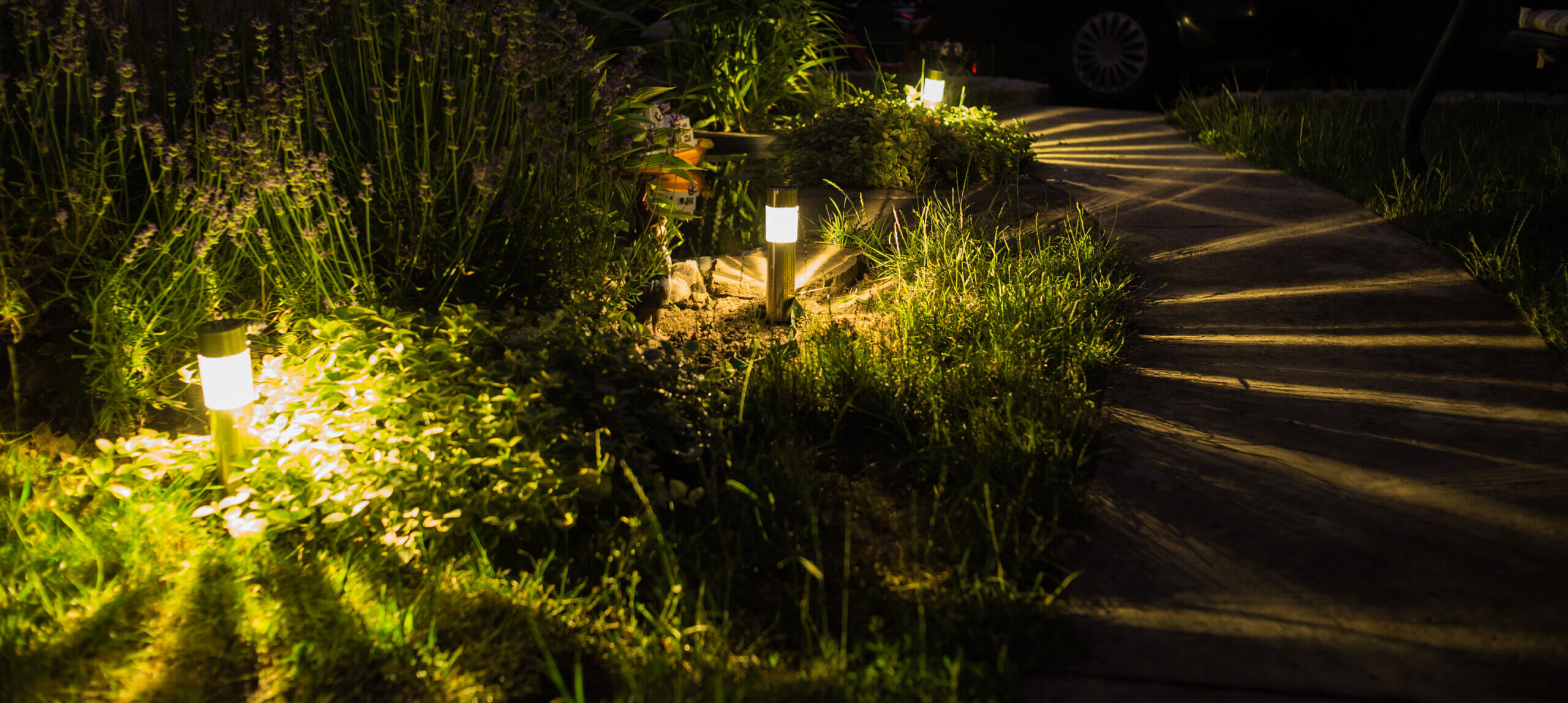
Solar outdoor lighting can make paths, patios, and garden edges more useful after sunset.
Start With the Areas That Need Light Most
Before buying outdoor lights, it helps to walk around the property after sunset. Notice where people naturally move and where visibility feels poor. The most important areas are usually the front path, driveway edge, side gate, patio steps, garden walkway, and entrance doors.
Lighting these practical zones first gives the biggest improvement. A softly lit path can help guests move more confidently. A brighter side entrance can make everyday routines easier. A warm glow around a patio can encourage people to spend more time outside in the evening.
Why Solar Lighting Works Well for Homeowners
Solar lighting is popular because it is flexible. Many fixtures do not require trenching, new wiring, or access to an outdoor power source. This makes them useful for gardens, fences, sheds, pathways, and property corners where hardwired lighting would be difficult or expensive.
Homeowners exploring different fixture styles can compare Solar Outdoor Lighting options for pathways, walls, patios, and landscape areas. The best choice depends on how much sunlight the location receives, how bright the area needs to be, and whether the light is meant for safety, atmosphere, or accent lighting.
Use Solar Spotlights to Highlight Key Features
Not every part of the garden needs to be lit. In fact, outdoor spaces often look better when the lighting is selective. Instead of trying to brighten every corner, choose one or two features that deserve attention. This could be a tree, a stone wall, a water feature, a sculpture, a planter, or a textured fence.
A Solar Spotlight can help draw attention to these details without adding complex wiring. Aim the light carefully so it highlights texture and shape rather than shining directly into people’s eyes. Angled light across a wall or upward light under a tree can create depth and make the garden feel more designed.
Think About Sun Exposure
Solar lights perform best when the panel receives strong daylight. Before installation, check whether the chosen location gets enough sun during the day. Areas under dense trees, beside high walls, or in deep shade may not charge well, especially during shorter winter days.
If a fixture has a separate solar panel, place the panel in the sunniest nearby spot while keeping the light where it is needed. This small detail can make a big difference in performance.
Keep the Lighting Warm and Balanced
For most homes, warm white lighting creates a softer and more natural look than very cool white lighting. Warm light works well with brick, stone, wood, plants, and outdoor furniture. It also makes patios and pathways feel more relaxing after dark.
Avoid over-lighting the garden. Too many bright fixtures can remove atmosphere and create glare. A better approach is to use gentle pools of light along paths, a few accents for garden features, and softer lighting around seating areas.
Final Thoughts
Solar outdoor lighting is a practical way to make a home more useful, attractive, and energy-conscious after sunset. It can improve safety around paths and steps, enhance the atmosphere of patios, and highlight the best parts of the garden without major installation work.
The most effective lighting plans are simple. Start with the areas people use most, choose fixtures that receive enough sunlight, and use accent lights only where they add real value. With thoughtful placement, solar lighting can help create an outdoor space that feels comfortable, efficient, and ready to enjoy every evening.