


Rainwater Harvesting for Climate Resilience in Metro Landscapes
Effective rainwater harvesting is a hallmark of climate-resilient metropolitan areas. It helps conserve fresh water, aids stormwater management, mitigates inundation, and protects natural water sources from contamination. City dwellers have numerous options for harvesting rainwater, each suited to unique applications and complementing the others.
Direct Collection
At the household level, you may catch and store rainwater for nonpotable uses, such as watering your yard and washing your car. This practice helps curb demand for municipal water, particularly in areas reliant on dwindling reserves. Tucson, Arizona, is an excellent example: its shrinking water supply, driven by a 30-year drought, will likely worsen due to the construction of two nearby large data centers.
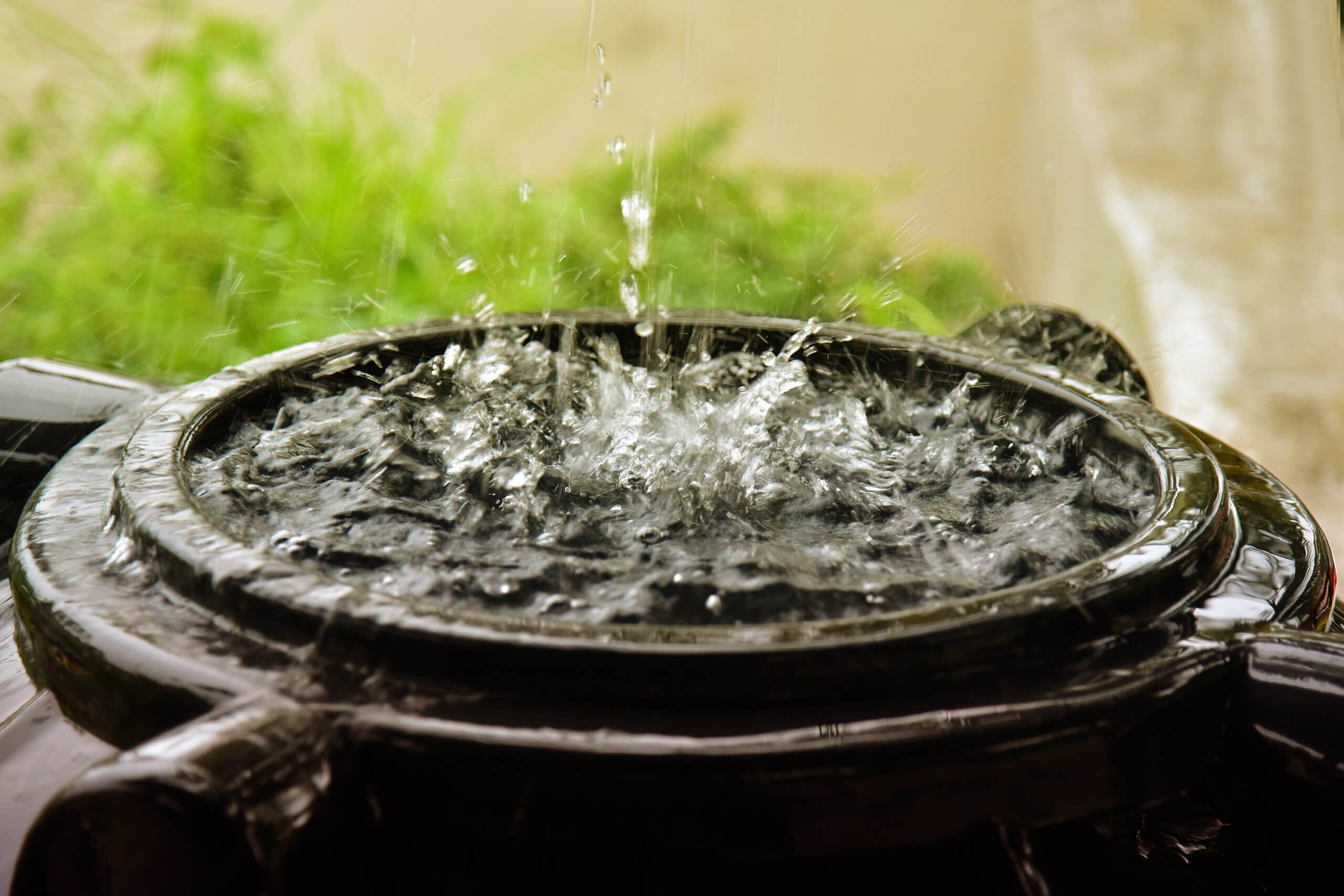
The containers used for precipitation collection are typically rain barrels and aboveground tanks. States regulate the dimensions, while homeowner’s associations dictate the appearance.
Check local rules to get a compliant container. For instance, since 2016, Colorado has allowed single-family residences and multifamily buildings with four units or fewer to have up to two rooftop rain barrels with a maximum combined capacity of 110 gallons.
At the municipal level, some towns have underground cisterns to collect and store large quantities of rainwater for agricultural irrigation and fire suppression. A city worth emulating is San Francisco, as its government has built a network of at least 222 subterranean cisterns to provide firefighters with an alternative water source if hydrants run dry.
Vegetation Absorption
Urban greenery makes cities less prone to the impacts of downpours and relentless rainfall, including street flooding, erosion, sewer overflows, and polluted runoff.
The crowns of trees form an expansive canopy that intercepts precipitation, minimizing soil compaction and reducing surface runoff. Vegetated areas in built environments act like sponges because plants drink volumes of water for growth. Tree trunks disrupt the flow of water, slowing flood velocity. Plants with deep taproots or fibrous root systems help stabilize the soil, preventing erosion.
Urban gardening has made it possible to grow vegetation without expansive space. Homeowners with limited real estate can use downspout planters, while commercial property owners use durable flat roofing materials to manage rainwater through rooftop gardens and safeguard the building’s structural integrity.
Municipal governments are responsible for green infrastructure. Policymakers can protect existing vegetated areas in public spaces and plant more trees on vacant lots, streets, and abandoned sites. Elected officials can also require or incentivize businesses to adopt urban greening initiatives, such as vertical gardens.
Groundwater Recharge
Incorporating permeable surfaces into urban landscapes helps cities reduce stormwater volume and make it more manageable. Materials such as porous asphalt and interlocking pavers allow water to percolate directly into the soil below.
Rain gardens are planted depressions designed to collect runoff from various hard surfaces, temporarily holding rainwater and slowly releasing it back into the groundwater system. When designed correctly, this engineering solution can drain within 24 to 48 hours and filter out pollutants.
Moreover, climate-resilient cities can build bioswales to control flooding. These engineered sidewalk tree beds feature curb cuts to accommodate runoff and underground drainage layers that channel water to aquifers.
Compost helps make rain gardens and bioswales more absorbent. Decayed organic matter improves soil structure by increasing its water-holding capacity.
Effective Rainwater Harvesting Is a Mark of Climate Resilience
Proper rainwater management has universal merits, and it can be a matter of survival for cities vulnerable to climate change. Regardless of the unique geographical and economic problems a city faces, a green-minded citizenry can turn challenges into opportunities.
Keep these rainwater harvesting methods in mind to encourage your local officials and neighbors to become better environmental stewards.