

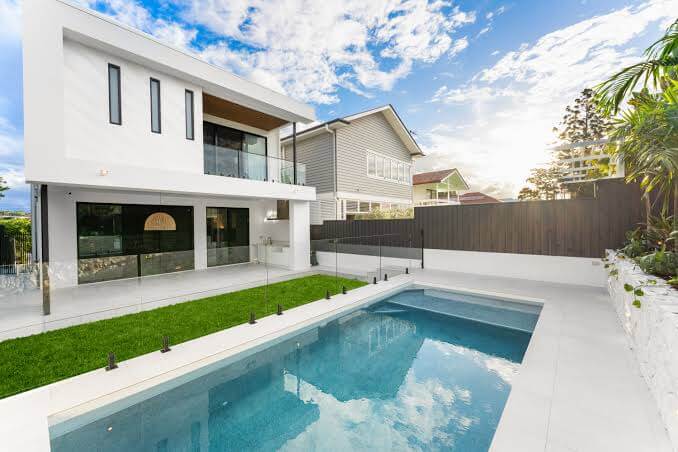
Designing the Ultimate Passive House for Brisbane’s Subtropical Climate
As energy efficiency and sustainability become increasingly important, designing a passive house is one of the smartest ways to create a comfortable, low-energy home.
In Brisbane’s subtropical climate, a passive house can maximize natural ventilation, optimize sunlight, and reduce reliance on artificial heating and cooling systems. Integrating solar solutions further enhances energy efficiency while lowering electricity costs.
Understanding Passive House Principles in Brisbane
Key Elements of a Passive House
A passive house is designed to minimize energy use without compromising comfort. Key principles include superior insulation, airtight construction, high-performance windows, and careful orientation to capture natural light and heat.
Homes built with these principles maintain consistent indoor temperatures year-round while dramatically reducing energy demand.
Climate-Responsive Design
In Brisbane, where summers are hot and humid, passive design emphasizes reducing heat gain and enhancing cooling efficiency. Proper shading, cross-ventilation, and thermal mass are critical for maintaining indoor comfort throughout the year, as outlined in the Australian Government’s passive house guidelines.
Optimizing Solar Energy and Renewable Systems in Brisbane Passive Homes
Residential Solar Panels for Passive Houses
Integrating solar panels in Brisbane passive homes allows homeowners to generate electricity on-site, reducing dependence on the grid and complementing the low-energy demands of a passive house. The combination of passive design and solar panels maximises efficiency, helping households achieve near self-sufficiency in energy use.
Commercial Solar Power Options
For larger properties or shared developments, commercial solar power systems provide long-term energy savings while supporting sustainability targets. Businesses and multi-residential developments benefit from reduced operational costs and improved environmental credentials.
Energy Storage Solutions
Pairing solar panels with energy storage systems such as REA Solar battery solutions or the REA POWERBANK allows excess energy to be stored for nighttime use, further reducing electricity bills and increasing energy independence.
Maintenance and Solar Panel Cleaning
Maintaining a passive house is simple but essential. Regular inspections, proper solar panel cleaning, and monitoring system performance ensure the home remains energy-efficient.
Combining these practices with durable, high-quality materials ensures your passive house remains a sustainable, comfortable home for decades.
Passive Design Strategies for Subtropical Brisbane
- Home Orientation: Position north-facing windows to capture winter sunlight while minimising summer heat gain.
- Shading Devices: Use eaves, pergolas, and other shading elements to reduce direct sun exposure.
Landscaping: Incorporate deciduous trees and smart plant placement for natural seasonal shading. - Cross-Ventilation: Align windows and vents with prevailing winds to maintain natural airflow and reduce air-conditioning needs.
- Thermal Mass: Use materials that absorb and slowly release heat to stabilise indoor temperatures.
- Insulation & Airtightness: High-performance insulation and airtight construction help regulate indoor temperatures year-round.
Working with Sustainable Design Experts
Designing a passive house for Brisbane’s subtropical climate takes more than energy-efficient materials—it requires expert planning, climate-responsive design, and a deep understanding of how homes perform in real-world conditions.
By combining smart orientation, natural ventilation, effective shading, and energy-efficient solutions, homes can achieve superior comfort and high performance in Brisbane’s subtropical climate.