

How Technology Reduces Food Waste in Drive-Thru Operations
By Beth Rush
Restaurants serve customers quickly and conveniently, thanks to dedicated staff and mobile ordering. However, there’s a hidden cost behind the burgers and fries in your paper bag. Food waste is a significant problem for restaurants, so how can technology reduce it? Here are the ways modern tech can make your operation more profitable.
How Can Technology Reduce Food Waste in Drive-Thrus?
Reducing food waste requires precision, data-driven strategies and a desire to help the environment. Here are six approaches to empower your employees and eliminate guesswork.
1. Use Demand Forecasting Tools
Your drive-thru operations require balancing speed and freshness. Therefore, employees must be ready by precooking and preparing ingredients on the assembly line. Restaurant managers typically forecast demand based on experience. For instance, a 2023 Square study said Saturday mornings are the most popular time for people to eat at restaurants.
Enhance precision by using AI-powered demand forecasting. These tools account for sales data, weather patterns, and local events to determine how much food prep is necessary. Using them can reduce the amount of cooked food that ends up in the trash. Modern technology lets you predict by the hour how many supplies you’ll need.
2. Conduct Waste Audits
A restaurant can implement reduction tactics and improve sustainability. However, your drive-thru operations will likely generate some waste. Conduct regular audits to determine its exact source. Data-driven reviews make action more specific and actionable for your team. Instruct workers to place wasted items in specific bins for better tracking.
Once you gather the data, you can pinpoint inefficiencies and opportunities for waste reduction. For instance, your garbage bin has started overflowing at closing time. The audit has revealed that you need to adjust your demand forecasting, as the dinner crowds have been underwhelming. Regardless of the issue, you can use these audits to diagnose key operational flaws.
3. Upgrade Communication Systems
Technology can reduce food waste through simple fixes. For example, your drive-thru relies on employees hearing customers despite a noisy environment. This leads to mistakes when inputting orders, as crackly speakers or passing trucks can interfere with auditory processing. The employee could accidentally add bacon instead of removing it from the order.
A 2023 study found that 40% of American consumers use the drive-thru for purchasing fast food. Therefore, it’s essential to ensure each transaction goes smoothly. Restaurants should consider upgrading to high-quality headsets and clear digital speakers to facilitate better communication. This can prevent misunderstandings and effectively reduce waste.
4. Start a Compost Program
Once garbage is produced, it’s essential to manage it properly. Some restaurants implement zero-waste models, thus diverting 90% of their trash from landfills. Composting is among the most effective ways to mitigate the issue. Your business could partner with local services that collect organic matter, whether paper or food-soiled cardboard.
Implementing this program requires staff training, as your employees should know what can be composted. They have the green light to compost food scraps and most paper products. However, they should refrain from putting plastic wrappers and glass in the same bins. Using smart containers with sensors and scales demonstrates how technology reduces food waste.
5. Reduce Condiment and Cutlery Defaults
Some quick-service restaurants add sauce and utensils by default. However, the customer may discard them, leading to food waste. Change your operation to a by-request-only system, which empowers the customer. Ask them about condiments and cutlery before finishing the order, and incorporate the prompt into your apps.
Technology supports this strategy through AI and voice-bot ordering. You could program the drive-thru script to ask the customer about their sauce and cutlery preferences. Experts say over 500 fast-food restaurants are now using AI for ordering, creating opportunities to reduce waste. With enough data, you can adjust inventory management based on how many packets and utensils are added.
6. Automate Inventory Management Software
Quick-service restaurant managers work hard to optimize inventory levels. However, they can work smarter by automating their management system. This advanced technology can reduce food waste by tracking ingredients through barcodes, QR codes or RFID tags. Once used, the point-of-sale system alerts the automated network to reduce it from the stock count.
Automated inventory management helps employees by telling them when to use particular ingredients. For example, it instructs when to use a specific batch of chicken patties because they’re nearing their expiration date. With this technology, your staff can remove the guesswork from food rotation. It serves as a digital watchdog for your kitchen.
Why Waste Reduction Is Essential in Restaurants
Profitability drives results and impacts the future of each quick-service restaurant. Waste reduction is among the best strategies because it lowers food costs. It also helps your employees prepare orders more accurately and reduces customer complaints. Ultimately, this makes your operation more competitive in a crowded market.
Understanding how technology can reduce food waste is also essential for the big picture. Experts recommend adopting sustainable food practices due to food insecurity. An incorrectly fulfilled order or inventory discarded represents a global imbalance, given that some areas have fewer resources. Research shows demand for sustainability is growing, so restaurants should display their environmental consciousness.
Using Technology to Eliminate Waste
Embracing new concepts and technologies is the blueprint for building more sustainable drive-thru operations. AI-powered forecasting and automated inventory management are only two ways to remove the guesswork and save money. Today’s crowded market necessitates finding competitive edges and optimizing the bottom line. Find ways to make your restaurant both convenient and eco-friendly.
About the author: Beth Rush is the green wellness editor at Body+Mind, where she covers topics like the power of climate consciousness at all stages of education. You can find Beth on Twitter @bodymindmag. Subscribe to Body+Mind for more posts by Beth!






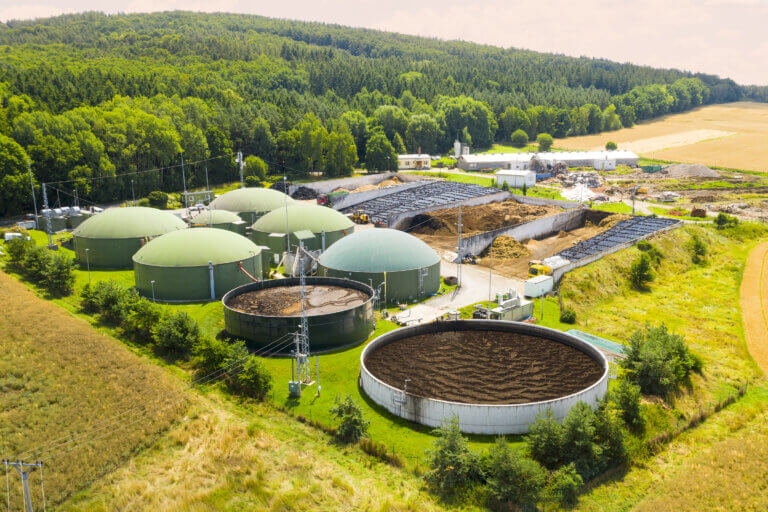
 Digester size must match waste volume. Systems that are too large waste resources, while smaller systems struggle to keep up.