


How to File for Disability Benefits as a Sustainable Construction Worker
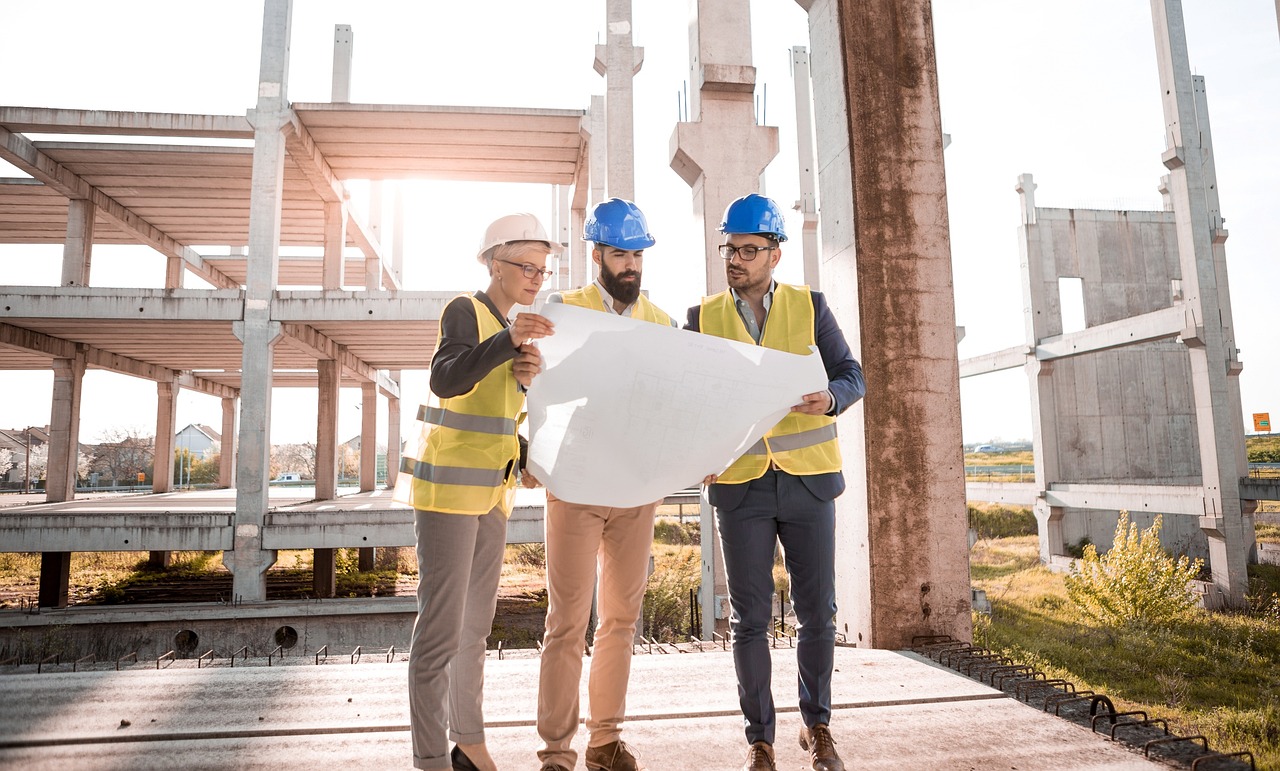
How does the physical nature of green construction affect workers in Utah who eventually become unable to continue working? Sustainable construction may involve newer materials, energy-efficient systems, and environmentally focused building practices, but the work itself can still place significant strain on the body.
Lifting equipment, repetitive movements, working at heights, and prolonged physical activity can contribute to injuries and long-term conditions that may eventually prevent someone from maintaining employment.
When that happens, understanding how to file for Social Security Disability benefits becomes an important part of planning for the financial impact of being unable to work.
Why Construction Work Carries Such High Injury Risk
It helps to see the scale of the problem before getting into the filing process itself. According to the U.S. Bureau of Labor Statistics, construction recorded 13,782 fatal occupational injuries between 2003 and 2016, more than any other industry tracked, with construction laborers alone accounting for 3,327 of those deaths.
Beyond fatalities, musculoskeletal disorders, the sprains, strains, and repetitive-motion injuries that build up over years of physical labor, remain one of the leading causes of missed work across the construction industry.
That data matters because it confirms something most long-time construction workers already know from experience: the physical demands of the job accumulate, and eventually, for a meaningful number of workers, they add up to a genuine disabling condition rather than just ordinary wear and tear.
What Actually Qualifies as a Disability Under SSA Rules
The Social Security Administration’s standard is specific: you must have a severe physical or mental condition that prevents you from working for at least 12 months. For construction workers specifically, that often means conditions tied directly to the physical demands of the trade:
- Degenerative disc disease and other spinal injuries from years of heavy lifting
- Joint damage, including hip and knee conditions common after decades of physical labor
- Traumatic injuries from falls, a leading cause of serious construction injuries
- Carpal tunnel syndrome and other repetitive strain conditions
- Hearing loss from prolonged exposure to construction noise
- Respiratory conditions tied to dust, chemical, or particulate exposure common on job sites
A condition doesn’t need to be catastrophic or sudden to qualify. A back injury that gradually worsens over years of physical work can be just as disabling, and just as legitimate a basis for a claim, as an acute injury from a single accident.
How to Actually File for SSD Benefits
Once you’ve confirmed your condition meets the SSA’s criteria, the filing process itself follows a specific sequence:
- Gather your medical records first. Pull together documentation from every doctor, physical therapist, or specialist who has treated the condition, including imaging, treatment notes, and any work restrictions a physician has put in writing.
- Compile your work history. The SSA wants a detailed picture of your job duties over the past several years, specifically the physical demands: weights lifted, hours spent standing or kneeling, repetitive tasks, and exposure to noise, dust, or chemicals.
- Start your application. You can begin online through the Social Security Administration’s website, by phone, or in person at a local SSA office. The online application saves your progress, so you don’t need every document in hand to start.
- Submit supporting evidence as it becomes available. You don’t have to wait until everything is perfect to file, since your benefits are tied to your filing date, but you’ll need to follow up with complete medical and work history documentation as the SSA requests it.
- Attend any scheduled consultative exam. The SSA sometimes requires an independent medical exam at their expense. Missing this appointment without a valid reason can result in an automatic denial.
- Track your claim status and respond promptly. The SSA will contact you if they need additional information, and delays in responding can slow down or jeopardize your claim.
- Prepare to appeal if denied. Most initial applications are denied, so treat a denial as an expected step in the process rather than a final answer, and file your request for reconsideration within the 60-day window.
Filing correctly the first time doesn’t guarantee approval, but skipping steps, especially incomplete medical documentation or vague descriptions of job duties, is one of the most common reasons construction-related claims get denied unnecessarily.
Why So Many Initial Claims Get Denied
This is really the middle of what trips up a lot of workers filing on their own for the first time. The SSA denies a significant majority of initial applications, often citing insufficient medical documentation, gaps in treatment history, or a determination that the condition doesn’t meet the severity threshold required.
For construction workers specifically, this often comes down to a mismatch between how physically demanding the actual job was and what the medical records and application actually documented.
Working with an experienced SSD law firm in Utah can make a meaningful difference here. A firm like Cannon Disability Law can help build a case that accurately reflects the physical demands of construction work and gather the specific medical evidence the SSA requires, rather than treating the process like a generic application form.
Building a Strong Application From the Start
A handful of specific steps genuinely improve the odds of a successful claim, especially for a physically demanding trade like construction.
Documenting the specific physical requirements of your job, lifting weights, repetitive movements, exposure conditions, gives the SSA a clear picture of what your body was actually asked to do day after day. Getting consistent medical treatment, rather than sporadic visits, creates the kind of documented history the SSA relies on to evaluate a claim.
Gathering statements from supervisors or coworkers who witnessed your work and your physical decline can add meaningful support that medical records alone don’t always capture.
Applying as soon as your condition genuinely prevents you from working matters too, since benefits are tied to your filing date and every month of delay is a month of potential benefits you can’t recover later.
What to Expect After You File
Most claims don’t get approved at the initial application stage, which surprises and discourages a lot of first-time filers. An initial denial isn’t the end of the process, it’s often just the first step, with reconsideration and a hearing before an administrative law judge as the next stages where many claims are ultimately approved.
Having genuine legal representation by the hearing stage tends to matter considerably, since a judge is evaluating detailed medical and vocational evidence, not simply reviewing a form.
Conclusion
Filing for disability benefits as a sustainable construction worker means navigating the same demanding SSA process any construction worker faces, but with the added context that the physical toll of the trade, whether from years of repetitive strain or a specific traumatic injury, is exactly the kind of documented, legitimate basis these benefits exist to cover.
Understanding what actually qualifies, building a thorough application with real medical and vocational evidence, and getting experienced help navigating a process that denies most first-time applicants all genuinely improve the odds of a successful outcome.
For workers whose bodies have carried the physical weight of building a more sustainable future, understanding how to access the benefits they’ve earned through years of that work is worth taking just as seriously as the trade itself.